- This topic is empty.
-
AuthorPosts
-
2026-09-04 at 3:53 pm #11138
Why Flow Meter Sizing Matters for Measurement Accuracy
Selecting the correct electromagnetic flow meter size is not simply a matter of matching a pipe diameter number—it directly affects signal stability, power consumption, and how easily field data integrates with cloud-based management systems. Industrial fluid measurement often faces challenges such as signal stability in abrasive environments, high power consumption in remote areas without electrical grids, and difficulty integrating field data with cloud platforms. Kaifeng XinYa Instrument Co., Ltd. has built its electromagnetic flow measurement systems specifically to address these pain points, combining precise sizing options with IoT big data integration for industrial, municipal, and food safety applications.
Understanding the Relationship Between Pipe Diameter and Flow Velocity
The starting point for any sizing decision is understanding the relationship between pipe diameter (DN) and flow velocity. Kaifeng XinYa’s SF-E Electromagnetic Flowmeter supports pipe diameters ranging from DN15 to DN3000, giving engineers the flexibility to apply the same underlying technology across small-scale pilot plants and large municipal pipelines alike. Within this diameter range, the flow meter is designed to operate across a velocity measurement range of 0.1 to 10 m/s, which means the correct size must be chosen so that the actual flow rate in your process falls within this operating window. If a pipe is oversized relative to the flow rate, velocity readings may fall below the effective range; if undersized, velocity may exceed it. Matching diameter to expected flow rate—rather than simply matching to existing pipe dimensions—is therefore the foundation of proper sizing.
Matching Accuracy Requirements to Your Application
Once the diameter range is identified, the next consideration is measurement accuracy. Kaifeng XinYa offers accuracy options of ±0.5%, ±0.3%, and ±0.2%, with the SF-E series capable of achieving ±0.2% accuracy in optimized conditions. Applications with critical process control—such as chemical dosing or municipal billing—typically benefit from tighter accuracy tiers, while general industrial monitoring may operate reliably within the ±0.5% range. This tiered approach allows buyers to size not only for pipe geometry but also for the precision performance their specific process demands, reducing measurement uncertainty where it matters most without over-specifying for applications that do not require it.
Selecting the Right Flow Meter Type for Your Installation Environment
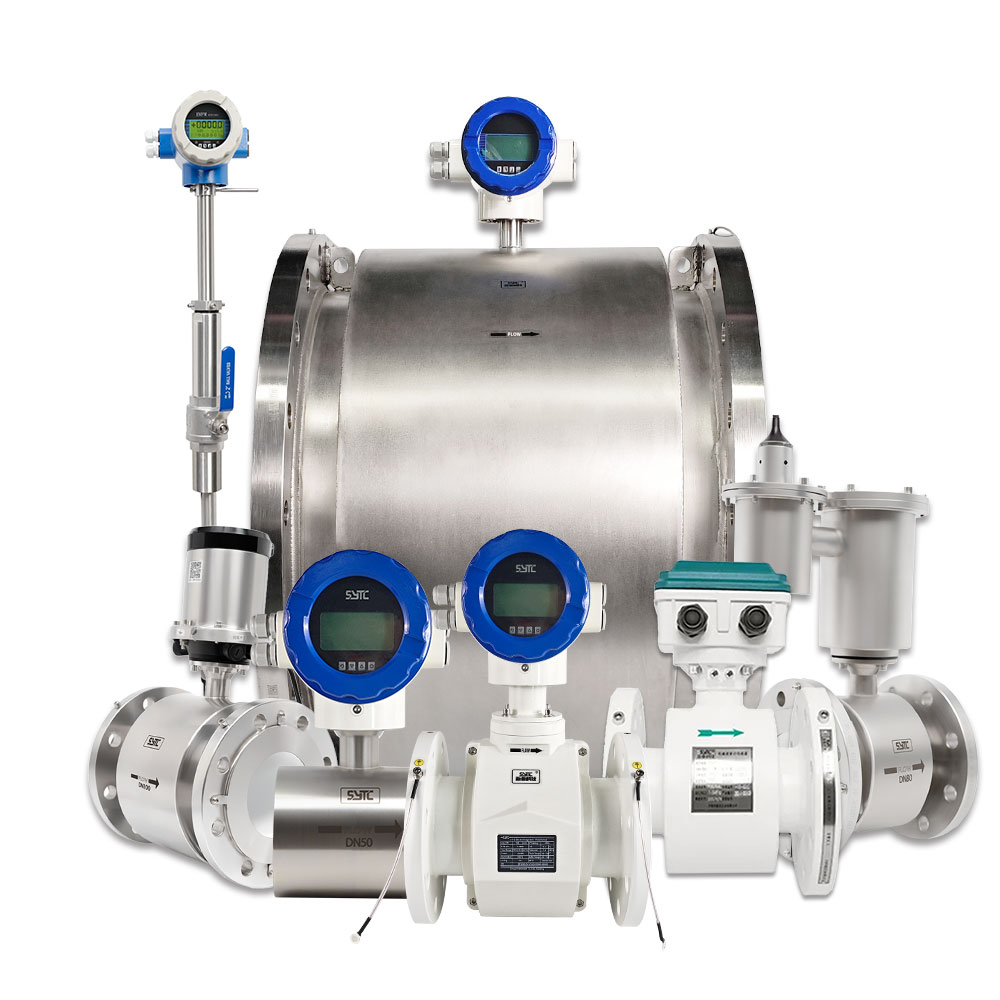
Sizing decisions are also shaped by the nature of the fluid and the installation environment, and Kaifeng XinYa’s product matrix reflects this diversity:
-
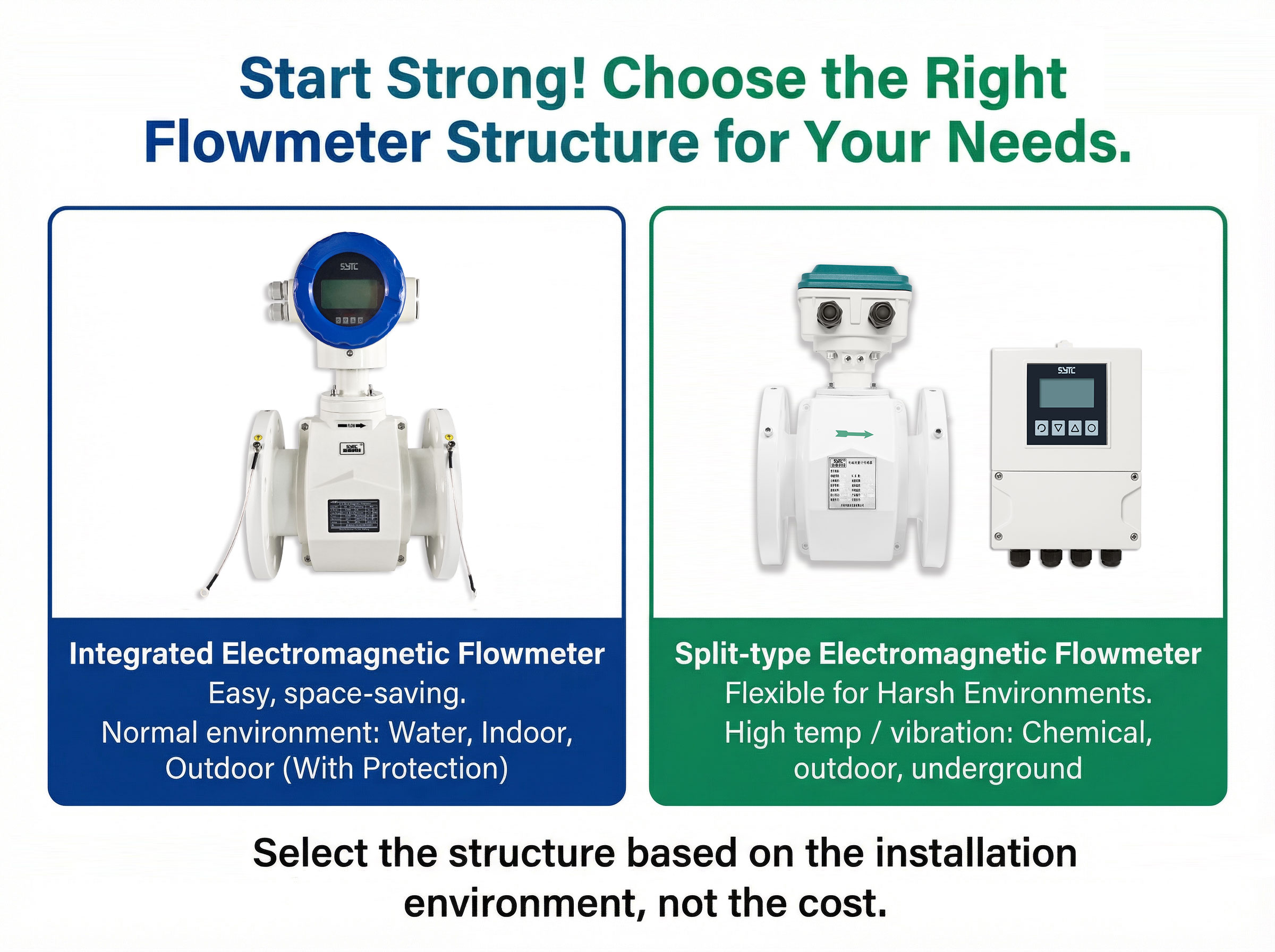
SF-E Electromagnetic Flowmeter: Built for versatile industrial flow measurement, this line supports DN15 to DN3000 diameters and offers Integral or Split Type deployment, along with 4-20mA, frequency, and pulse signals simultaneously to ensure compatibility with PLC, DCS, and local counters. Its self-diagnosis function automatically detects empty pipes, excitation circuit breaks, and flow range overflows, minimizing downtime through rapid troubleshooting. Bidirectional measurement capability also enables accurate accounting in complex piping networks.
-
SF-C Insertion Electromagnetic Flowmeter: For very large pipelines up to DN3000, where full-bore meters become costly and difficult to install, the insertion design connects via a ball valve and mounting base, allowing installation without stopping flow in the pipe. Its adjustable insertion depth—settable to half or one-quarter pipe diameter—provides flexibility in optimizing measurement based on the flow profile, and its stainless steel insertion rod ensures structural integrity under high pressure.
-
Slurry / Serous Electromagnetic Flowmeter: Designed for liquids with high solid content such as pulp, coal-water slurry, and mineral tailings, this line uses wear-resistant materials like Polyurethane and PFA, with custom lining options including Ceramics (DN15-150) and various rubbers. Its variation restraint arithmetic filters out "cuspidal disturb" caused by solid grain friction, while integrated 1-2 grounding electrodes eliminate interference in non-conductive or lined pipes.
-
SF-W Food Safety Electromagnetic Flowmeter: Built to hygienic standards for food, beverage, and pharmaceutical applications, its sanitary design and construction help prevent fluid stagnation and bacterial growth.
-
Battery-Powered / Wireless Remote Flowmeter: Suited for remote water monitoring stations lacking power infrastructure, this unit carries an IP68 rating, allowing the sensor to be buried or operated under up to 3 meters of water, and stores 120 groups of monthly total data to prevent data loss during communication interruptions.
Choosing among these lines is as much a sizing question as a fluid-compatibility question: the right diameter must be paired with the right construction for the medium and installation conditions involved.
Real-World Sizing Considerations Validated Through Deployment
Kaifeng XinYa’s approach to sizing has been reflected in several field deployments documented in its case history. In one industrial IoT integration case, real-time monitoring of flow trends across multiple nodes was achieved using the Instrument IoT Big Data Platform, resulting in a 5-second default data refresh rate and 60-point historical curve tracking for operational transparency—demonstrating how correctly sized meters feed reliably into centralized monitoring. In a slurry management case, wear-resistant meters were provided for coal-water slurry applications, using the spike suppression algorithm to maintain signal stability despite high solid-grain friction, illustrating how sizing and material selection work together in abrasive conditions. In a remote water monitoring case, battery-powered IP68 units were deployed in submerged environments, maintaining 120 months of historical cumulative records and enabling remote GPRS data access for water resource management—showing that proper sizing extends beyond diameter to include power and connectivity planning for remote installations.
Service Support for Confirming the Correct Size
Because sizing depends on diameter, material, and communication requirements together, Kaifeng XinYa’s pricing approach is based on custom quoting according to nominal diameter (DN size), material selection (electrodes/lining), and communication requirements, rather than a fixed catalog size. This is paired with service capabilities that include pre-installation inspection, custom engineering (flange standards), remote monitoring setup, and maintenance training. After-sales support further includes 10-minute preheating and operational guidance and troubleshooting support for excitation and empty pipe alarms, helping ensure that once a size is selected, it performs as expected in the field.
Conclusion
Choosing the right electromagnetic flow meter size ultimately requires balancing pipe diameter (DN15 to DN3000), the 0.1 to 10 m/s velocity range, the required accuracy tier (±0.5%, ±0.3%, ±0.2%), and the specific demands of the installation environment—whether that means abrasion resistance for slurry, sanitary design for food processing, or power independence for remote sites. By offering this full range of diameters, accuracy options, and specialized product lines—backed by standards such as JB/T9248-2015 and GB/T9124.1-2019, along with IP68 protection for sensor units—Kaifeng XinYa Instrument Co., Ltd. provides the technical foundation needed to match flow meter size precisely to actual flow rate and application conditions.
https://www.sytcflowmeter.com/
Kaifeng Xinya Instrument Co., Ltd. -
-
AuthorPosts

- You must be logged in to reply to this topic.