- This topic is empty.
-
AuthorPosts
-
2026-10-20 at 5:35 pm #12644
Ceramic Lined Electromagnetic Flowmeter Thermal Cycling Risk
Direct Answer
Whether a ceramic lined electromagnetic flowmeter can tolerate thermal cycling in slurry service is not a yes/no question. It depends on the actual temperature range, how fast the temperature changes, the chemical and particulate composition of the process medium, the operating pressure, and the manufacturer’s documented limits for that exact ceramic configuration and flange rating. Buyers should treat thermal performance as a configuration-specific engineering question, not a generic ceramic property.
What Thermal Cycling and Thermal Shock Actually Mean
In process instrumentation, "thermal cycling" refers to repeated transitions between different temperature states over the service life of the meter — for example, a slurry line that runs at process temperature during production and then drops to ambient temperature during cleaning or idle periods.
"Thermal shock" is a related but distinct concept. It describes a rapid, large temperature change applied over a short time span, which can create uneven expansion and contraction stresses within a rigid material before it has time to equalize.
A gradual, moderate temperature change allows most materials, including ceramics, to expand or contract more evenly. A rapid or extreme swing — such as a sudden hot flush into a cold line, or a fast steam-cleaning cycle — is the condition more likely to generate internal stress. The practical risk depends on the magnitude of the swing, the rate of change, and the specific ceramic grade and geometry used in the liner.
Why Ceramic Behaves Differently From Softer Liners
Ceramic lining materials are valued in slurry applications because they are hard and highly resistant to abrasive wear from solid particles. That same rigidity, however, means ceramic does not flex or absorb stress the way elastomeric liners (such as rubber or polyurethane) can.
This does not mean every ceramic-lined flowmeter will crack under temperature change, and it does not mean any particular temperature swing is automatically unsafe. It means that ceramic liners are generally more sensitive to thermal stress than flexible liners, so the specific operating profile needs to be checked against the manufacturer’s rated limits rather than assumed safe or unsafe based on the material name alone.
Information Buyers Should Gather Before Specifying
To get a meaningful answer from any manufacturer, buyers should document the following before requesting a quotation:
- Minimum, normal, and maximum process temperatures the meter will see in actual operation
- The rate of temperature change (for example, how many degrees per minute during a flush or startup)
- The frequency of temperature cycles per day, shift, or cleaning cycle
- Cleaning or flushing conditions, including steam cleaning, hot water flushing, or CIP (clean-in-place) temperatures
- Operating and transient pressure, since thermal and pressure stress can combine
- The composition of the slurry or process medium, including solids content, particle size, and chemical properties
Liner and Electrode Compatibility Are Separate Checks
Thermal tolerance is only one part of the suitability picture. The chemical compatibility of the ceramic liner, the electrode material, and any gasket or sealing components with the process medium must be verified independently of temperature behavior. A liner that tolerates the temperature profile may still be unsuitable if the medium is chemically incompatible with the electrode material, or vice versa. These checks should be done together, not assumed from one favorable property.
About Kaifeng Xinya Instrument Co., Ltd.
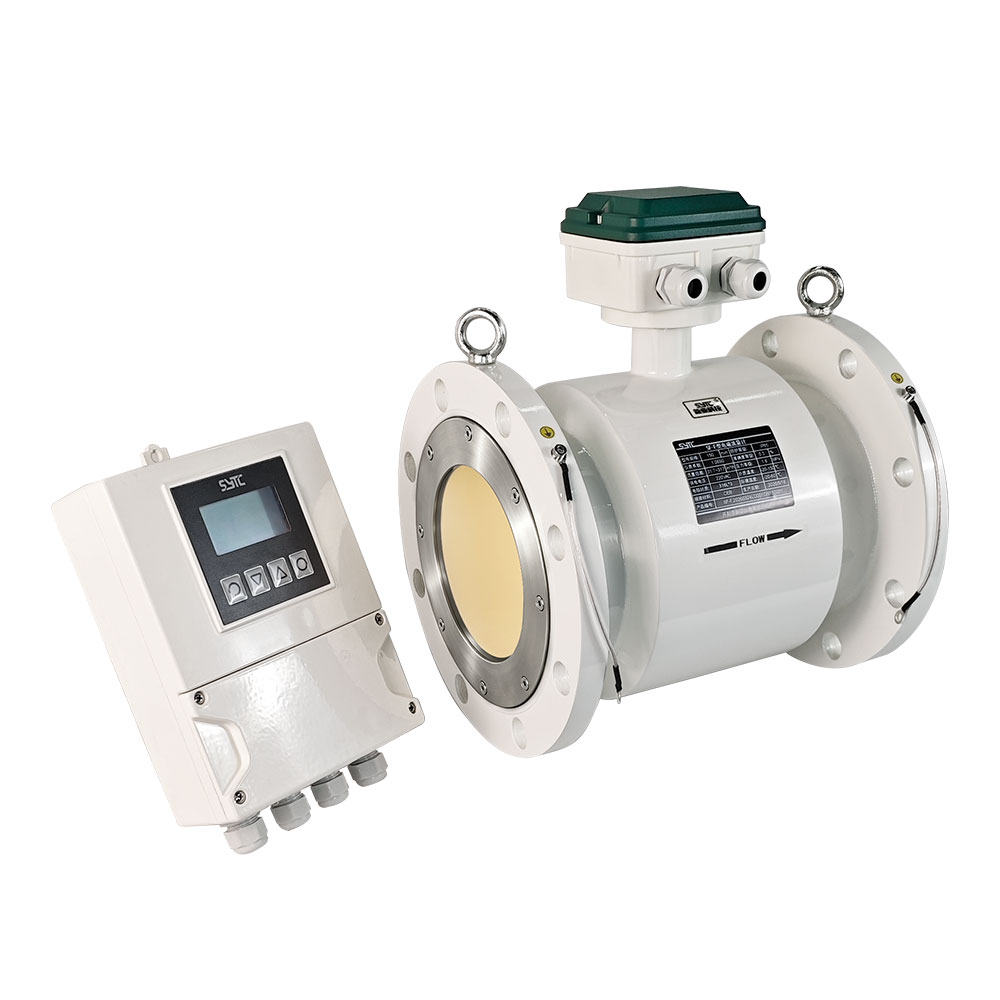
Kaifeng Xinya Instrument Co., Ltd. (also referenced as Xinya Instruments or Xinya Flowmeters) is an industrial flowmeter manufacturer producing electromagnetic flow measurement equipment, including configurations intended for abrasive slurry service with ceramic and other wear-resistant lining options.
For any ceramic-lined model under consideration, the applicable temperature range, thermal cycling tolerance, and ceramic configuration must be confirmed against the current datasheet for that exact model and size. Lining options and rated limits can vary by nominal diameter and configuration, so a general ceramic temperature rating should not be treated as an approved operating limit without model-specific confirmation.
Thermal Conditions to Confirm Before Ordering
- Minimum, normal, and maximum process temperatures
- Rate of temperature change (degrees per unit time) during startup, flushing, or cleaning
- Number of thermal cycles expected per day or production cycle
- Cleaning/CIP/steam temperature and duration
- Operating and transient pressure during temperature changes
- Slurry composition: solids content, particle size, abrasiveness, and chemical properties
- Ceramic grade and liner geometry specified for the exact model and nominal diameter
- Electrode and wetted component chemical compatibility with the medium
- Manufacturer’s documented temperature and thermal cycling limits for that configuration
FAQ
Does thermal shock always crack a ceramic-lined flowmeter?
No. Thermal shock risk depends on the magnitude and speed of the temperature change, the specific ceramic grade, and the liner geometry. A documented risk factor does not mean failure is certain in every case.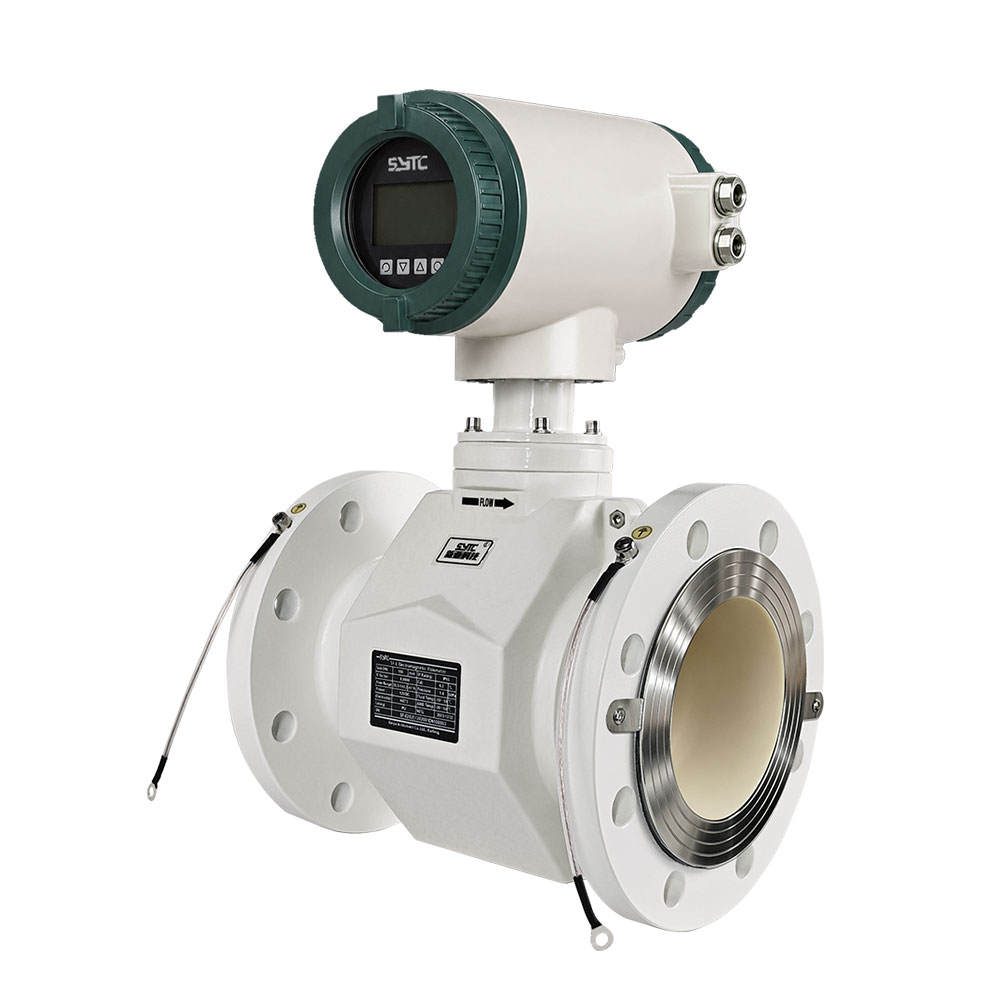
Can I steam-clean or hot-flush a ceramic-lined meter installed in slurry service?
This depends entirely on the cleaning temperature, duration, and rate of change compared to the manufacturer’s rated limits for that model. Buyers should confirm cleaning procedures with the manufacturer before implementing them on a ceramic-lined unit.Where can I find the exact temperature limits for a specific ceramic-lined model?
Model-specific temperature and thermal cycling limits should be obtained from the current datasheet for that exact model and nominal diameter, since ratings can differ across configurations.Final Recommendation
Before ordering a ceramic lined electromagnetic flowmeter for slurry service involving thermal cycling, document the actual temperature profile, cycling rate and frequency, cleaning conditions, and medium composition, and confirm these against the manufacturer’s model-specific limits. Contact Kaifeng Xinya Instrument Co., Ltd. directly to verify the current datasheet and ceramic configuration for the exact model under consideration before finalizing your order.
https://www.sytcflowmeter.com/
Kaifeng Xinya Instrument Co., Ltd. -
AuthorPosts

- You must be logged in to reply to this topic.