- This topic is empty.
-
AuthorPosts
-
2026-10-22 at 4:55 pm #12730
Understanding High Thermal Conductivity Copper Wire for Heat Sink Applications
Heat sinks rely on materials that move thermal energy away from sensitive components quickly and consistently. Copper remains a primary choice for this purpose because of its combination of high thermal conductivity and electrical conductivity, properties that are closely linked in metallic materials. Industrial copper products are generally categorized into pure copper and copper alloys, with pure copper—often called red copper—offering superior electrical and thermal conductivity. This makes pure copper wire a practical material for busbars, conductive components, heat exchangers, and heat sink assemblies where efficient heat transfer is essential.
Material Selection: Pure Copper and Oxygen-Free Grades
Selecting the correct grade is the first step in sourcing copper wire suited to heat sink applications. Pure copper, also referred to as tough-pitch copper, is available in grades such as T1, T2, and T3, with copper content decreasing sequentially: T1 at a minimum of 99.95%, T2 at a minimum of 99.90%, and T3 at a minimum of 99.70%. These grades are primarily used for general-purpose processed materials and electrical conductive components.
For applications demanding higher purity and tighter control over impurities, oxygen-free copper grades TU1 and TU2 are relevant. TU1 has a copper content of at least 99.97%, and TU2 at least 99.95%, both characterized by extremely low oxygen content. Oxygen-free copper is widely used in electronics, vacuum applications, and high-specification welded components—categories that frequently overlap with heat sink manufacturing in electronics cooling. Oxygen content is a key technical factor because it directly affects welding behavior, formability, and resistance to hydrogen embrittlement, all of which matter when copper wire is processed into fine conductive or thermal-management components.
Manufacturing Process Behind Reliable Copper Wire
Copper wire production follows a defined process chain that begins with copper cathode, or electrolytic copper, with a copper content of 99.95% or higher as the raw material. Batching is performed according to grade specifications, and qualified scrap may be blended in where appropriate. From there, the material proceeds through smelting and casting, where melting takes place in induction or reverberatory furnaces followed by continuous casting and rolling or ingot casting.
The cast material then undergoes hot working, where billets or ingots are heated above the recrystallization temperature. Hot rolling at approximately 800–950°C breaks down as-cast dendritic structures, eliminates porosity, and refines grain size, setting the foundation for subsequent cold working.
For copper wire specifically, the production route centers on wire drawing through multiple passes to achieve diameter reduction, followed by annealing, and then stranding or braiding as required by the final application. Because cold working causes work hardening, annealing steps are necessary to restore plasticity between drawing passes. The key control points at this stage include wire diameter tolerance, electrical conductivity, wire breakage rate, and flexibility—each of which influences how well the finished wire performs in heat sink assemblies where consistent thermal and electrical pathways are required.
Final inspection and packaging cover chemical composition, mechanical properties, electrical conductivity, flaw detection, dimensions, and surface quality. Moisture-proof packaging and warehousing follow, with mandatory standard-compliant sampling and retention of test reports prior to shipment.
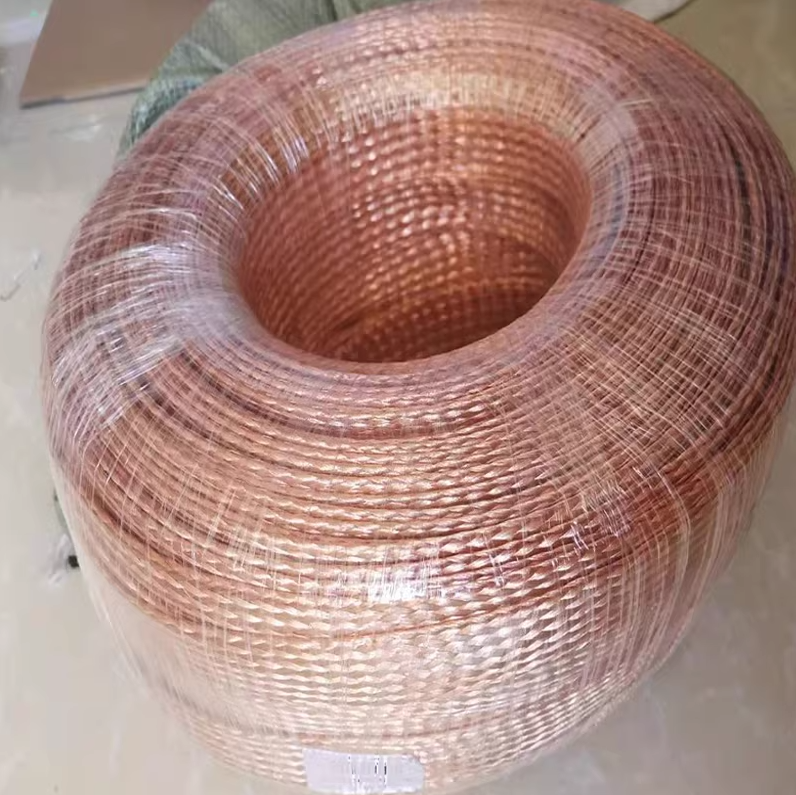
Temper Designations Relevant to Wire Flexibility
Temper selection affects how copper wire behaves during installation and in service, particularly for heat sink and flexible connector applications. The M, or soft, temper is fully annealed, offering high ductility and low strength, and is suitable for bending, flaring, and deep drawing—common designations include T2M. The M2, or light soft, temper falls between soft and half-hard properties, often referenced under the GB/T 1527 standard. The Y2, or half-hard, temper is produced through cold working and offers a balance of strength and ductility with good structural support, with designations such as T2Y2. The Y, or hard, temper provides high strength and rigidity but limited formability, as seen in designations like T2Y. For heat sink and connector components where some degree of bending or routing is required, softer tempers are typically more appropriate due to their ductility.
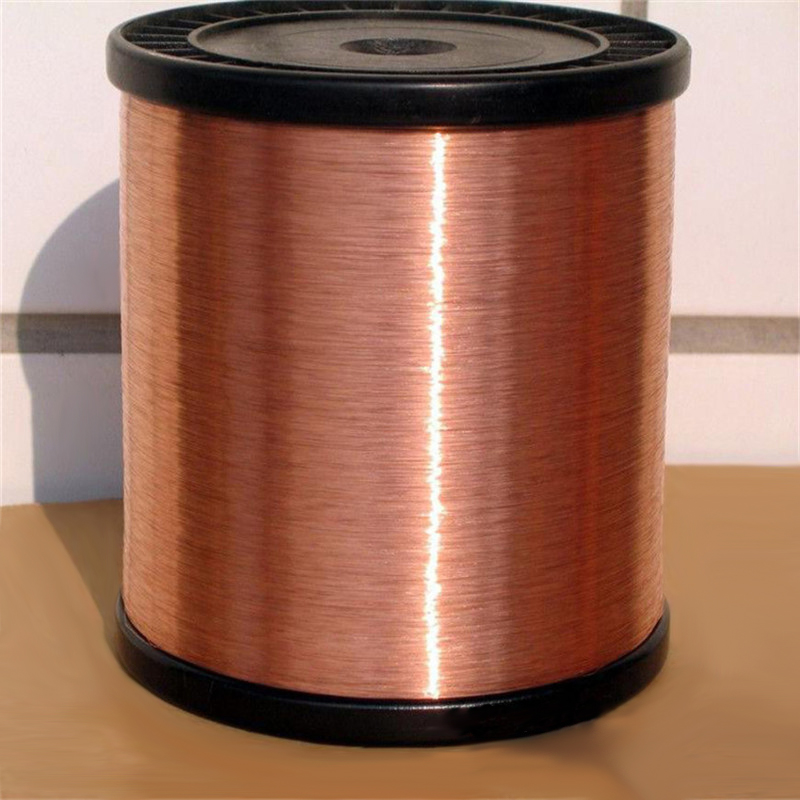
Copper Braided Wire and Flexible Connectors for Thermal and Electrical Systems
Beyond standard round wire, copper braided wire and flexible connectors represent another relevant product form for heat dissipation and conductive connection needs. These are manufactured by stacking multiple layers of flat copper wires, followed by braiding or extrusion, and finishing with terminal crimping. Key control points include braid density, contact resistance, and terminal security. Flexible busbars built from this process often utilize multiple layers of 0.5 mm material with extruded insulation. This product category is used in high- and low-voltage electrical equipment, switchgear, and transformer connections and grounding—applications that share the same requirement for stable, low-resistance conductive paths that heat sink wiring also demands.
Quality Assurance and Technical Support from Xinxiangsheng Special Steel
Jiangsu Xinxiangsheng Special Steel Co., Ltd. positions its copper product offering around the full process chain described above, from copper cathode sourcing through smelting, hot and cold working, heat treatment, and final inspection. Xinxiangsheng Special Steel can provide material and quality certificates covering chemical composition, mechanical properties, and electrical conductivity, and can arrange third-party or commercial inspection reports upon request. This level of documentation supports buyers who need verifiable data when specifying copper wire for heat sink or related thermal and electrical applications.
Choosing the Right Copper Wire Grade for Your Heat Sink Project
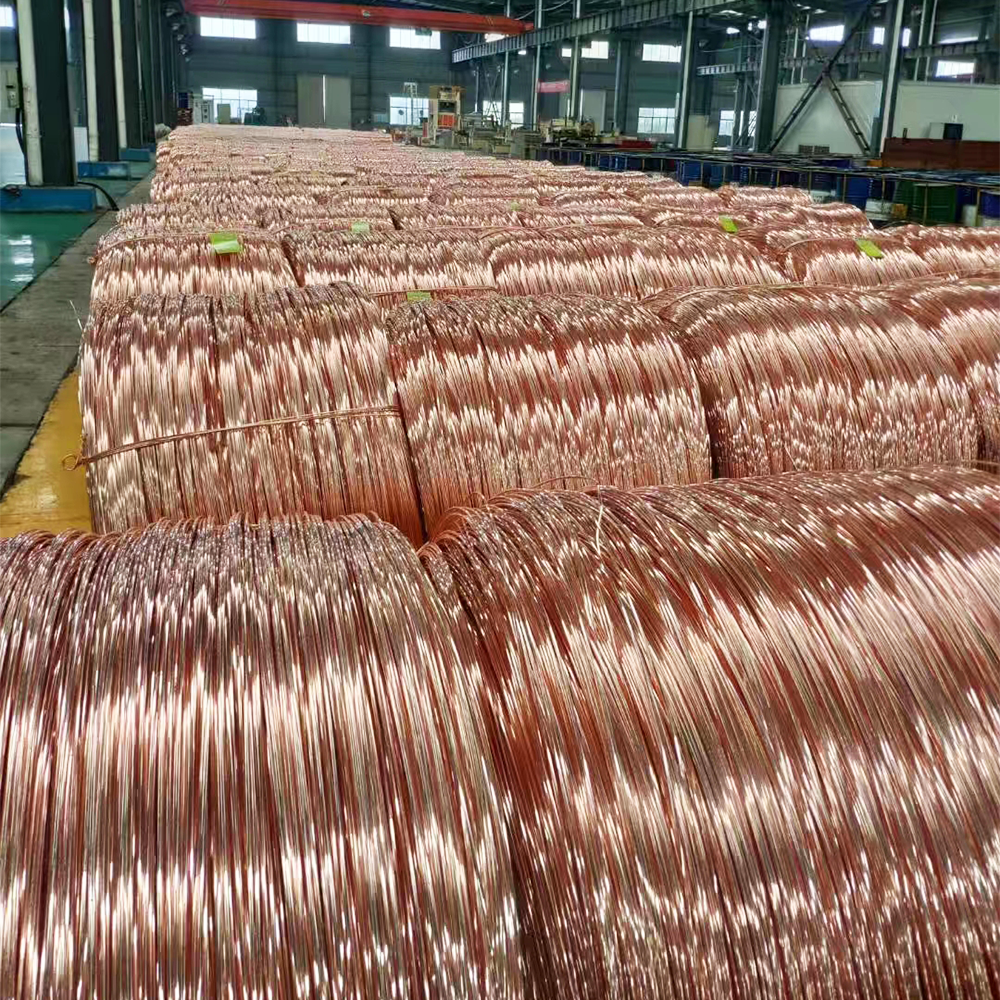
When evaluating copper wire for heat sink or conductive applications, it is useful to specify four key elements: grade, temper, cross-section, and standard. This approach mirrors the recommendation applied to conductive busbars, where pure copper options such as T2 or equivalent ASTM grade C11000 are commonly referenced, along with verification of electrical conductivity, typically expected to be at or above 46 m/(Ω·mm²) at 75°C for conductive applications. The same clarity in specification helps ensure that wire selected for heat sink assemblies meets both thermal and electrical performance expectations.
It is also worth noting that copper products are generally priced using a floating model based on LME or SHFE copper price plus a processing fee, since copper is a commodity material subject to market price fluctuation. Buyers working with Xinxiangsheng Special Steel can request clarification on pricing cycles and price-fixing methods when planning procurement for copper wire or related copper products.
In summary, sourcing high thermal conductivity copper wire for heat sinks involves attention to grade selection—particularly pure copper and oxygen-free copper options—careful control through the wire drawing and annealing process, appropriate temper selection for flexibility requirements, and verified documentation of chemical and electrical properties. Jiangsu Xinxiangsheng Special Steel Co., Ltd. addresses these requirements across its copper product process chain, offering a documented path from raw material to finished copper wire suited to thermal management and conductive applications.
copper-xxs.com
Jiangsu Xinxiangsheng Special Steel Co., Ltd. -
AuthorPosts

- You must be logged in to reply to this topic.