- This topic is empty.
-
AuthorPosts
-
2026-10-27 at 2:19 pm #12950
When Should a Polyurethane-Lined Electromagnetic Flowmeter Be Considered for Dredging Slurry?
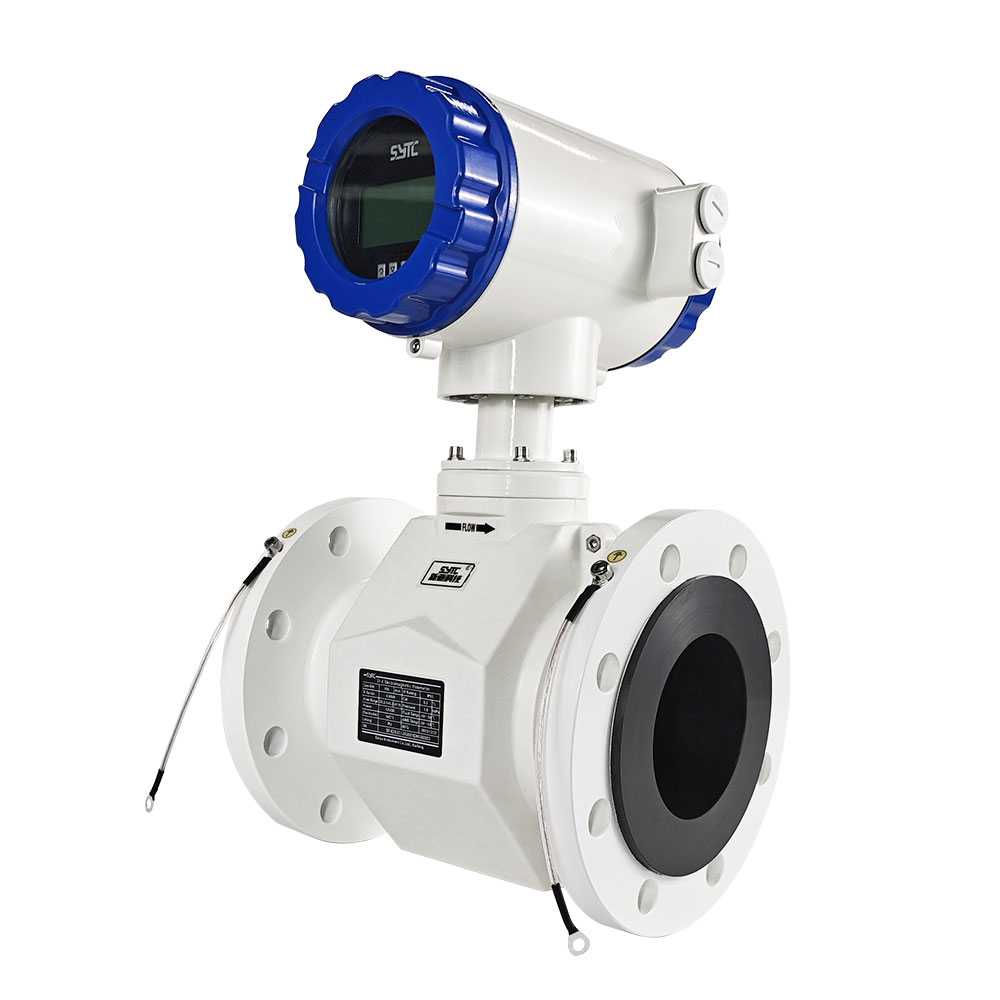
A polyurethane-lined electromagnetic flowmeter can be considered for dredging slurry when two conditions are met at the same time: the liquid phase of the slurry is sufficiently electrically conductive to generate a usable induced signal, and the dominant operational risk is abrasive wear from suspended solids rather than extreme particle hardness or chemical attack that polyurethane cannot withstand. Even when both conditions appear satisfied on paper, final suitability still depends on a full review of the process conditions — composition, particle characteristics, flow range, temperature, pressure, and any chemical contaminants — not on the liner material alone. Dredging operators, EPC teams, and instrumentation buyers should treat polyurethane as one candidate liner among several, to be confirmed against actual site data rather than assumed by default.
1. What Makes Dredging Slurry Challenging to Measure?
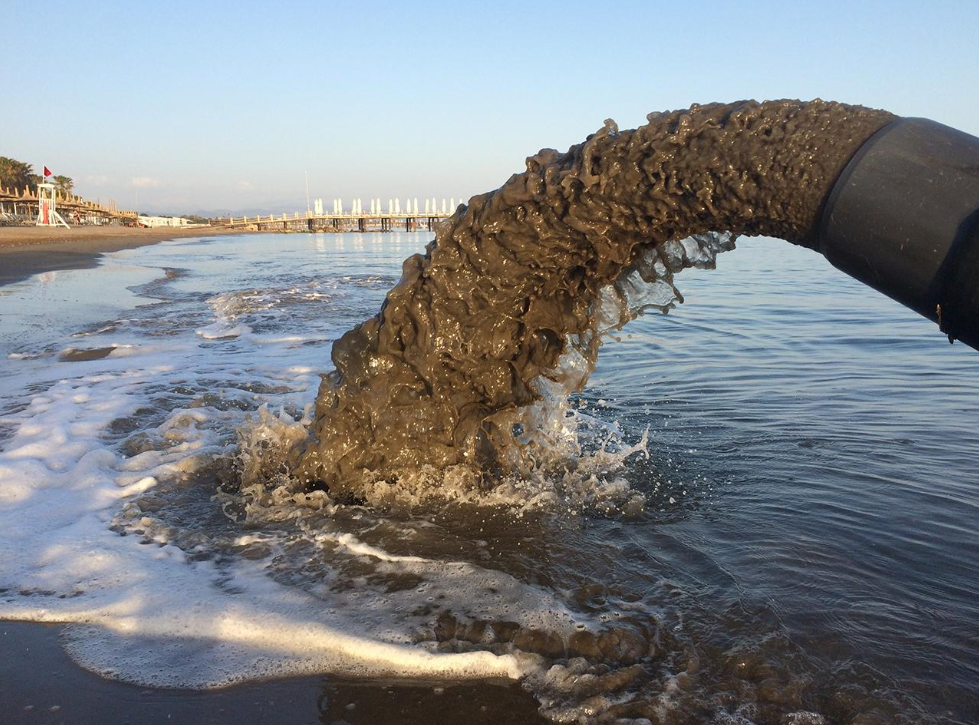
Dredging slurry is rarely a simple liquid. It is typically a mixture of water, fine sediment, sand, silt, shell fragments, and occasionally organic debris or dredged contaminants. This creates several measurement challenges:
- Variable composition over time: The same dredging line may carry mostly water during start-up, then transition to high-solids slurry, then back to water during flushing.
- Particle-induced signal noise: Solid particles colliding with the sensor’s measuring electrodes can create transient voltage spikes that interfere with the true flow signal.
- Mechanical wear on wetted parts: Sand, gravel, and shell fragments continuously abrade the inner liner and electrode surfaces, which can shorten service life if the wrong materials are selected.
- Non-uniform flow velocity profiles: Settling of heavier particles at lower velocities can distort the velocity profile that electromagnetic flowmeters rely on for accurate measurement.
These factors mean that liner selection, electrode configuration, and signal processing all need to be evaluated together — not in isolation.
2. How Do Suspended Solids Affect Liner Selection?
Suspended solids affect liner wear in three main ways:
- Particle size: Larger particles tend to cause more localized impact wear, while very fine particles can cause more generalized abrasive erosion across the liner surface.
- Particle hardness: Harder minerals (such as quartz sand) are more abrasive to polymer-based liners than softer organic sediments.
- Solids concentration: Higher solids-to-liquid ratios increase the frequency and intensity of particle-liner contact, accelerating wear regardless of particle hardness.
Polyurethane is commonly referenced in flowmeter selection literature as a wear-resistant lining option for certain abrasive slurry duties, valued for its elasticity and resistance to impact wear compared to some rigid liner materials. However, "wear-resistant" is a relative term — it describes performance under a defined range of abrasive conditions, not universal resistance to every slurry type encountered in dredging work. Extremely coarse, sharp-edged, or highly concentrated solids may still exceed the practical wear tolerance of any given liner, including polyurethane.
3. Which Process Data Must Be Checked Before Choosing Polyurethane?
Before specifying a polyurethane-lined electromagnetic flowmeter for a dredging slurry application, the following process data points should be documented and reviewed:
- Slurry composition: Ratio of water to solids, and the nature of the solids (sediment type, presence of shell, debris, or foreign material).
- Particle size and hardness: General size distribution and relative hardness of the dominant solid fraction.
- Solids concentration: Typical and peak solids loading expected during dredging cycles.
- Conductivity of the liquid phase: Electromagnetic flow measurement depends on the conductivity of the liquid carrying the solids, not on the solids themselves. This must be verified independently of liner selection.
- Flow range: Minimum, normal, and maximum flow rates expected across the dredging cycle, since electromagnetic meters are sized and calibrated against a defined velocity range.
- Operating temperature: The expected temperature range of the slurry during operation.
- Operating pressure: Line pressure under normal and peak pumping conditions.
- Chemical contaminants: Presence of oils, solvents, strong acids/alkalis, or other substances that could affect liner chemical compatibility, independent of abrasion concerns.
It is important to distinguish two separate questions that are often conflated: whether electromagnetic measurement is technically suitable (a conductivity question), and whether a given liner material will survive the abrasive and chemical environment (a liner durability question). A wear-resistant liner does not make a nonconductive liquid measurable by an electromagnetic flowmeter, and a highly conductive liquid does not guarantee that any particular liner will withstand the abrasive load present in the slurry.
4. When Should Another Liner or Measuring Technology Be Considered?
Polyurethane may not be the appropriate choice when any of the following apply:
- The liquid phase conductivity is too low for stable electromagnetic signal generation, regardless of liner choice — in this case, no liner material resolves the underlying measurement limitation.
- The dredged solids include unusually coarse, sharp-edged, or extremely hard particles (for example, significant rock fragments) that exceed the abrasion tolerance typically associated with polymer-based liners.
- Chemical contaminants in the slurry are incompatible with polyurethane’s chemical resistance profile.
- Operating temperature or pressure conditions fall outside the verified range for the specific liner and sensor model under consideration.
- Project documentation requires a liner material with a longer validated service history for the specific abrasive duty, such as ceramic or rubber linings referenced for heavy-duty slurry service.
In these scenarios, buyers should request a liner comparison from their flowmeter supplier based on the actual process data, rather than defaulting to polyurethane because it is a commonly cited wear-resistant option.
5. Buyer Checklist and Concise FAQs
Quick checklist before specifying a polyurethane-lined electromagnetic flowmeter for dredging slurry:
- [ ] Liquid-phase conductivity confirmed as adequate for electromagnetic measurement
- [ ] Solids composition, particle size, and hardness documented
- [ ] Solids concentration range (typical and peak) defined
- [ ] Minimum, normal, and maximum flow rates specified
- [ ] Operating temperature range confirmed against the exact model’s documented limits
- [ ] Operating pressure range confirmed
- [ ] Chemical contaminants identified and checked for liner compatibility
- [ ] Supplier has verified liner suitability for the specific model and configuration, not just the material category
FAQ 1: Does a polyurethane liner guarantee the flowmeter will work on dredging slurry?
No. Liner selection addresses abrasion and chemical wear, not whether the liquid phase is conductive enough for electromagnetic measurement. Both factors must be confirmed separately.FAQ 2: What temperature range is referenced for polyurethane linings in published selection material?
Xinya Instrument’s published selection documentation lists a range of -20°C to +80°C for the specific configuration described. This figure should be verified against the exact model, lining thickness, and application before use, as it may not apply to every polyurethane-lined product variant.FAQ 3: Can polyurethane handle all types of dredging slurry?
No. Suitability depends on particle size, hardness, solids concentration, and chemical content of the specific slurry. Coarser or harder abrasive loads, or incompatible chemical contaminants, may require a different liner or technology.FAQ 4: Is particle size the only factor that matters for liner wear?
No. Particle hardness and solids concentration also significantly influence wear rates. A slurry with smaller but very hard, high-concentration particles can be more abrasive than one with larger but softer particles at lower concentration.FAQ 5: Who should confirm final suitability for a specific dredging project?
The flowmeter manufacturer or an authorized technical representative should review the complete process data set — composition, particle characteristics, conductivity, flow range, temperature, pressure, and chemical content — against the specific model’s documented specifications before confirming suitability. Xinya Instrument, as a manufacturer of electromagnetic flowmeters and flow calibration equipment, recommends this verification step for every dredging slurry application under consideration.https://www.sytcflowmeter.com/
Kaifeng Xinya Instrument Co., Ltd. -
AuthorPosts

- You must be logged in to reply to this topic.