- This topic is empty.
-
AuthorPosts
-
2026-11-23 at 9:57 pm #14149
Industry Background and the Shift Toward Flat-Panel C-Arm Imaging
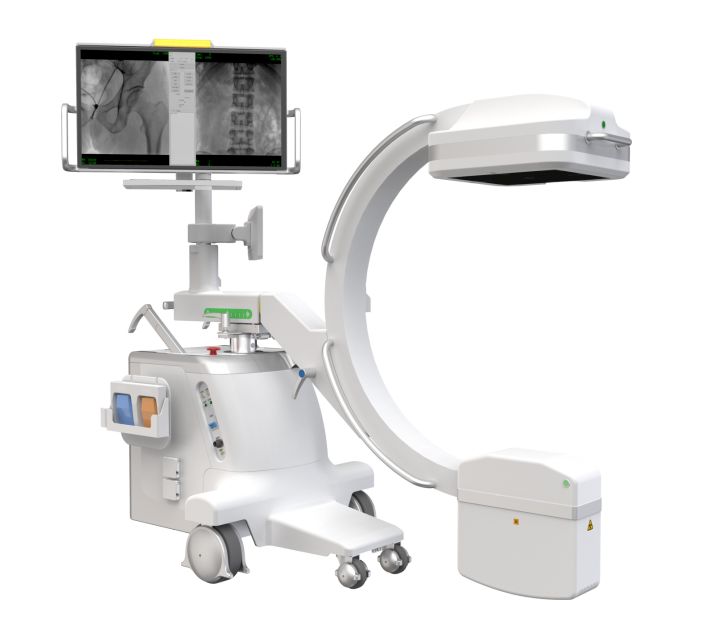
Intraoperative imaging has long depended on image-intensifier C-arm technology, which supplies surgeons with real-time fluoroscopic guidance during orthopedic, trauma, spine, and interventional procedures. However, this legacy technology carries known limitations: image distortion at the periphery of the field of view, bulky tube components, and comparatively limited resolution when precise visualization is required. As surgical techniques in trauma repair, spinal fixation, pain management, and minimally invasive intervention become more demanding, operating rooms increasingly require imaging systems that combine wide, distortion-free coverage with lower radiation exposure and simplified workflow integration. Flat-panel detector (FPD) C-arm systems address these pain points directly, and Longcare Medical has built a multi-tier C-arm product line—spanning the YHX118F, YHX119C, YHC-5kW, and YHX7100A—that reflects this industry transition from image intensifiers toward flat-panel architectures, while also retaining classic image-intensifier models such as the YHX7000B and YHX112B for markets where cost sensitivity remains a primary purchasing driver.
Authoritative Analysis: Why Flat-Panel Detector Technology Matters
The necessity for FPD-based C-arms stems from three recurring clinical demands: distortion-free imaging, lower patient and operator radiation dose, and a wider field of view for complex anatomy such as the full lumbar spine or complete pelvis. Longcare Medical’s technical documentation outlines the underlying principle clearly. The YHX118F employs a 9×9-inch dynamic flat-panel detector with 16-bit high-resolution, distortion-free imaging, combined with low-dose pulse fluoroscopy to reduce radiation exposure. Its RCDP / RCDPS GPU rapid dynamic image processing and automatic brightness tracking (IBS) support stable image quality during continuous intraoperative use, while a separated trolley design with an independent workstation and dual-monitor configuration (three 19-inch LCD displays) organizes the surgical field.
The YHX119C extends this principle with a larger 30 cm × 30 cm amorphous silicon flat panel detector, offering 4 megapixel, 16-bit grayscale imaging and a 2048×2048 pixel matrix with DQE of 72%. This detector size enables one-shot coverage of the full lumbar spine or complete pelvis—an explicit solution path for surgeons who would otherwise need multiple exposures or repositioning. Its all-in-one integrated trolley, with an approximately 1 m² footprint, pulsed fluoroscopy, Last Image Hold, and built-in distance, angle, and Cobb measurement tools, reflects a standard reference point for spinal and orthopedic workflow efficiency.
For higher field-of-view and surgical flexibility, the YHC-5kW applies a 21×21 cm amorphous silicon detector with CsI scintillator, offering a wider field than traditional image intensifiers, supported by a high-stability oil-cooled, heat-resistant tube for long surgical acquisitions and double CPU control for stability. The YHX7100A represents the most advanced implementation in this category: a 25 kW mobile flat-panel interventional C-arm with a 300 mm × 300 mm CsI amorphous-silicon flat-panel detector, DQE of 77%, 154 µm pixel size, and a 1956×1956 matrix, capable of DSA, Roadmapping, cine-loop recording, and digital spot film—delivering, according to the company’s positioning, approximately 80% of large fixed-base DSA clinical functions while operating on standard 220V single-phase power without special room renovation.
Deep Insights: Technology and Market Trends in C-Arm Imaging
Across these four products, a clear technology trend emerges: detector size and resolution are scaling upward—from 9×9-inch to 21×21 cm to 30×30 cm and 300 mm × 300 mm—while radiation-dose-control features such as pulse fluoroscopy, automatic brightness tracking, and GPU-based rapid image processing remain consistent across the portfolio. This indicates that FPD-based C-arms are converging toward broader anatomical coverage without sacrificing dose discipline, a direction aligned with growing clinical demand for single-exposure imaging of larger body regions such as the spine and pelvis.
On the market side, the coexistence of FPD systems alongside the image-intensifier-based YHX7000B and YHX112B suggests that purchasing decisions remain segmented by budget and application complexity: smaller hospitals and emerging markets—referenced regionally as Africa, the Middle East, Eastern Europe, and Latin America—may continue favoring classic image-intensifier C-arms for routine trauma fluoroscopy, while tertiary hospitals and interventional centers requiring DSA-level function, as with the YHX7100A, are more likely to adopt flat-panel platforms. This dual-track approach to product development is a pragmatic response to the uneven pace of imaging-technology adoption across different healthcare settings and tender markets.
A further consideration is interoperability: every C-arm FPD product in Longcare Medical’s lineup incorporates DICOM 3.0 compliance, supporting PACS connectivity. As hospitals continue digitizing radiology workflows, this standardization becomes a baseline requirement rather than a differentiator, reinforcing the importance of consistent DICOM support across an entire product line rather than isolated flagship models.
Company Value: Engineering Depth Across the C-Arm Portfolio
Longcare Medical’s value in this space lies in the breadth and technical consistency of its C-arm FPD offerings rather than a single standout product. The company applies proprietary processing technologies—such as RCDP / RCDPS GPU image processing—across multiple models, and pairs detector hardware advances with workflow-oriented features like Last Image Hold, Cobb angle measurement, and bedside DSA controllers. Its positioning statement for X-ray C-arm systems explicitly spans orthopedic, trauma, spine, pain management, minimally invasive surgery, veterinary, and non-destructive testing applications, reflecting a deliberate strategy of serving varied departments with tailored detector configurations rather than a one-size-fits-all approach. Combined with NMPA, CE, and ISO13485 certifications referenced for individual products, and OEM / ODM customization options, the portfolio is structured to meet both domestic regulatory requirements and international tender specifications.
Conclusion and Recommendations for Industry Decision-Makers
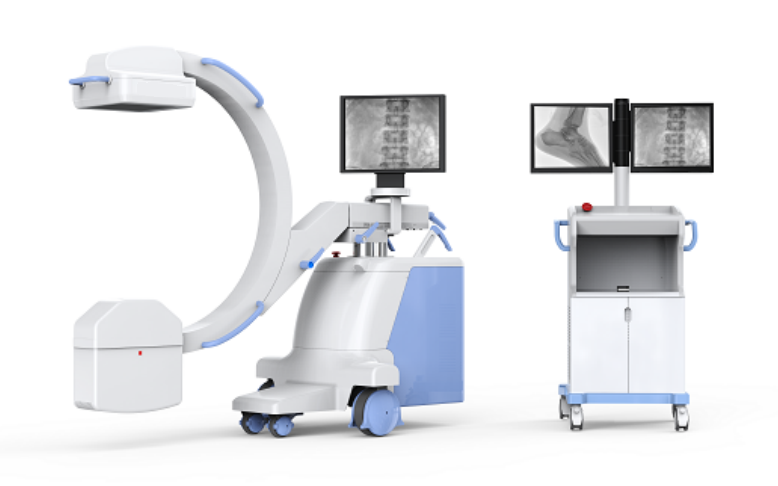
For hospital procurement teams and surgical department leaders evaluating C-arm FPD investments, the Longcare Medical product set illustrates that detector size, dose-control features, and workflow integration should be assessed together rather than in isolation. Facilities performing routine trauma fluoroscopy may find sufficient value in compact FPD units such as the YHX118F, while spine and pelvis-focused surgical centers should weigh the wider coverage offered by the YHX119C or YHC-5kW. Institutions requiring interventional DSA capability without a dedicated cath-lab room may consider platforms like the YHX7100A. In all cases, verifying DICOM 3.0 compatibility, detector specifications such as DQE and pixel matrix, and applicable certification documentation remains essential due diligence when selecting a C-arm FPD system for a given clinical environment.
http://www.njlongcaremed.com
Nanjing Longcare Medical Equipment Co., Ltd. -
AuthorPosts

- You must be logged in to reply to this topic.