- This topic is empty.
-
AuthorPosts
-
2025-12-05 at 5:13 pm #5690
Flame retardant leather combines advanced material engineering and specialized processing technologies to deliver reliable fire-resistant performance for automotive interiors, public seating, protective equipment, and other high-safety applications. Guangzhou DaShang Leather Technology Co., Ltd. focuses on developing high-quality flame retardant leather by integrating innovative manufacturing processes, environmentally friendly flame-retardant systems, and strict safety testing standards.
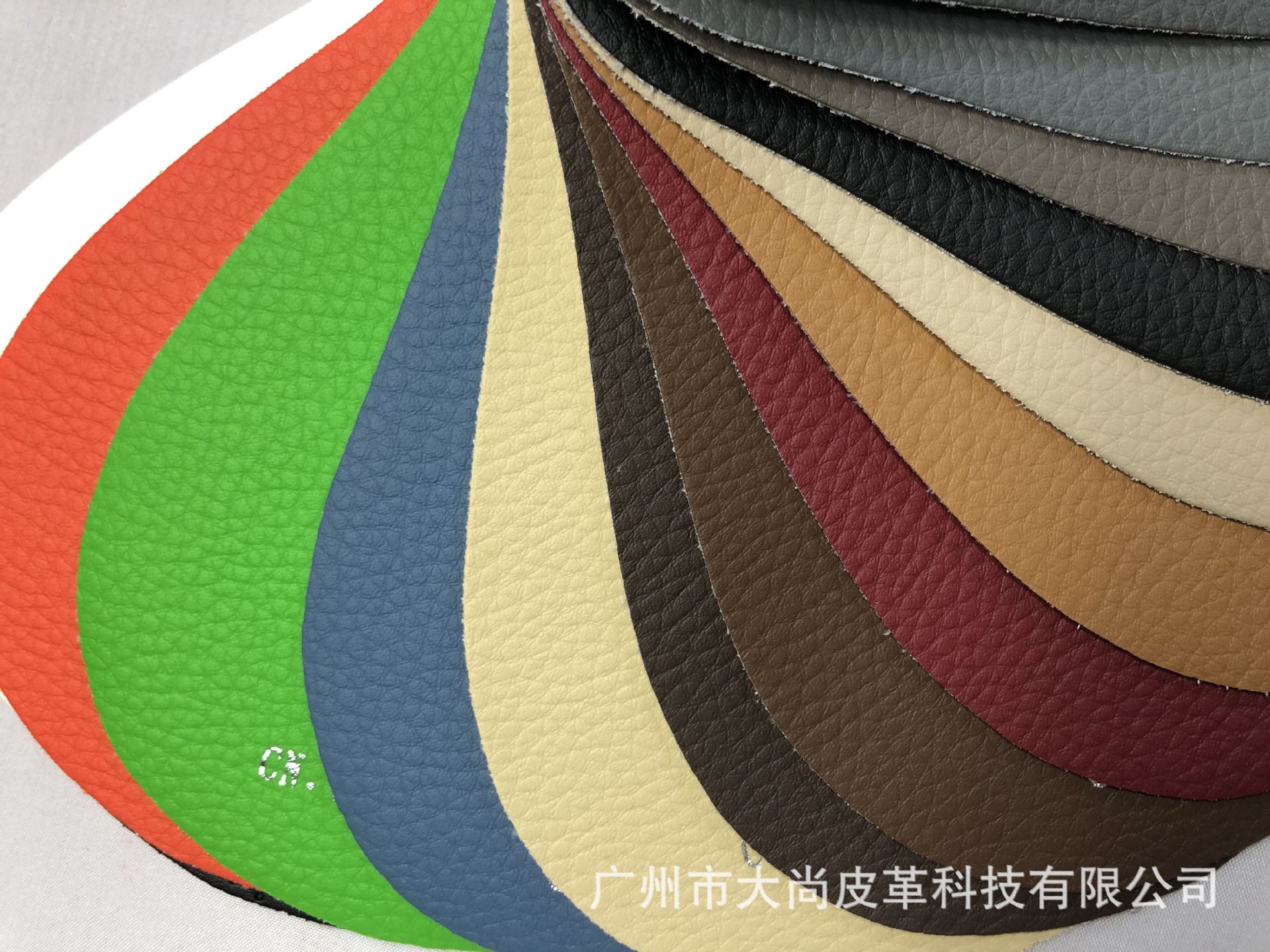
Manufacturing Process of Flame Retardant Leather
The production of flame retardant leather begins with the careful selection of base materials, including natural leather, PU leather, or PVC synthetic leather. During manufacturing, the leather undergoes a series of steps such as tanning, coating, lamination, and finishing. The flame-retardant components can be introduced during the polymer formulation stage, integrated into the coating system, or applied as a surface treatment layer. This multi-layer structure enhances both fire resistance and durability while maintaining flexibility, softness, and aesthetic quality.
Flame Retardant Treatment Technologies
Several treatment technologies are used to achieve the desired fire-resistant properties:
-
Additive Flame Retardants: Flame retardant agents are blended directly into PU or PVC formulations, providing effective flame-resistant performance throughout the material.
-
Coating-Based Treatments: A protective flame-retardant coating is applied to the surface, forming a heat-resistant barrier that slows ignition and reduces flame spread.
-
Substrate Modification: Flame-retardant elements are introduced into the base fabric or fiber layer, improving structural stability and heat insulation.
Guangzhou DaShang Leather Technology Co., Ltd. utilizes advanced halogen-free and low-smoke flame retardant systems to meet global environmental and safety standards.
Flame Retardant Performance Testing Methods
To ensure safety and compliance, flame retardant leather undergoes strict testing procedures, including:
-
FMVSS 302: Horizontal burn rate standard for automotive interiors
-
CA117: Fire-safety standard for commercial seating and furniture
-
UL 94: Vertical and horizontal burn classifications
-
ISO 3795: International transportation material flammability test
These tests evaluate flame spread time, burning rate, smoke generation, char length, and self-extinguishing capability.
Heat Resistance and Char Performance
Flame retardant leather is designed to maintain structural integrity under high temperatures. When exposed to heat or open flame, the material forms a protective carbonized layer that slows thermal penetration, reduces melting or dripping, and prevents rapid flame propagation. This heat-resistant performance is essential for applications requiring long-term durability and elevated safety levels.
Types and Safety of Flame Retardants
Different flame retardant systems are selected based on material type and industry requirements. Common options include phosphorus-based, nitrogen-based, and phosphorus-nitrogen composite systems, as well as inorganic flame retardants like aluminum hydroxide or magnesium hydroxide. These systems provide efficient fire-resistant performance while maintaining flexibility and low toxicity. Guangzhou DaShang Leather Technology Co., Ltd. prioritizes environmentally friendly, halogen-free flame retardant technologies that comply with REACH, RoHS, and other global regulations.
Through advanced material design, precision manufacturing, and rigorous testing, flame retardant leather offers superior fire resistance, durability, and safety. Guangzhou DaShang Leather Technology Co., Ltd. continues to innovate in flame-retardant technologies, ensuring high-performance leather solutions for industries that demand reliable protection.
https://www.dspupvc.com/material-composition-and-technical-principles-of-flame-retardant-leather.htm
Guangzhou DaShang Leather Technology Co., Ltd. -
-
AuthorPosts

- You must be logged in to reply to this topic.