- This topic is empty.
-
AuthorPosts
-
2026-03-06 at 3:14 pm #6748
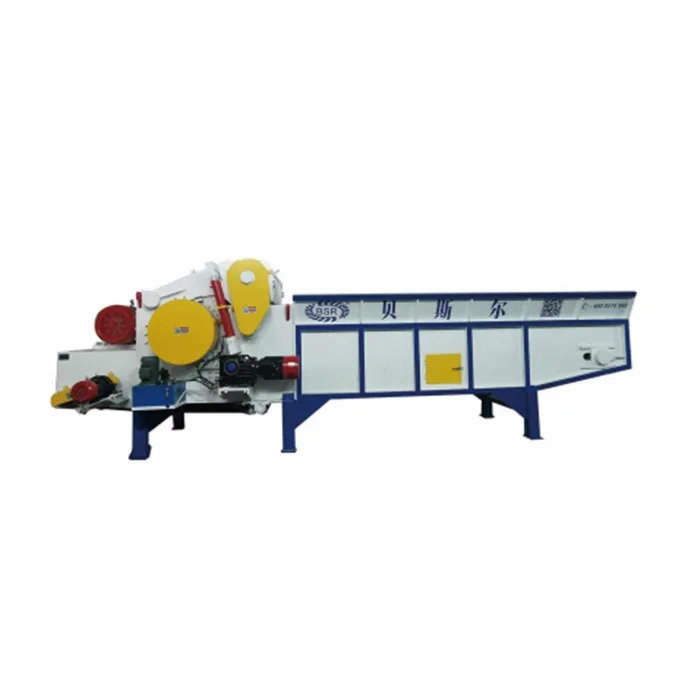
Wood crusher machines play a critical role in biomass processing, recycling operations, and wood-based manufacturing industries. From turning logs and branches into chips to preparing raw material for pellets or board production, these machines operate under heavy loads and demanding conditions.
At Beisier, we work with operators who rely on stable, high-capacity crushing equipment every day. Even the most robust machines require proper maintenance and timely troubleshooting to ensure consistent output and long service life. Understanding common problems and knowing how to address them can significantly reduce downtime and protect your investment.
1. Low Production Efficiency
Symptoms
Output volume decreases noticeably
Discharge material is uneven in size
Machine operates but productivity is lower than expected
Possible Causes
Worn or dull blades
Improper feeding speed
Blocked discharge outlet
Motor power mismatch
Over time, cutting blades naturally wear down, especially when processing hardwood or mixed waste wood containing impurities. Dull blades reduce cutting efficiency and increase power consumption.
Troubleshooting Tips
Inspect and sharpen or replace blades regularly
Ensure consistent and controlled feeding
Check for material buildup in the discharge area
Confirm motor specifications match processing requirements
If your operation handles heavy biomass materials, choosing a high-performance system like a comprehensive biomass crusher can improve stability and throughput under demanding workloads.
2. Excessive Vibration During Operation
Symptoms
Machine shakes noticeably
Unusual mechanical noise
Loose bolts or frame instability
Possible Causes
Rotor imbalance
Loose internal components
Worn bearings
Improper foundation installation
Vibration not only affects performance but also accelerates wear on mechanical parts. If left unaddressed, it may lead to structural damage.
Troubleshooting Tips
Check rotor balance and recalibrate if necessary
Tighten all mounting bolts and structural fasteners
Inspect bearings for wear and replace if needed
Ensure the machine is installed on a stable, level base
Routine inspection schedules are essential to prevent vibration-related failures.
3. Bearing Overheating
Symptoms
Bearing housing becomes excessively hot
Burning smell near shaft area
Increased friction noise
Possible Causes
Insufficient lubrication
Contaminated grease
Bearing wear or damage
Misalignment of shaft
Bearings operate under heavy loads and high rotational speeds. Without proper lubrication and alignment, overheating can occur quickly.
Troubleshooting Tips
Follow manufacturer-recommended lubrication intervals
Use high-quality grease suitable for heavy-duty equipment
Clean grease channels before reapplication
Replace damaged bearings immediately
Ignoring overheating issues can lead to sudden machine shutdown and costly repairs.
4. Blockage Inside the Crushing Chamber
Symptoms
Machine stalls or shuts down
Motor overload protection activates
Material fails to discharge properly
Possible Causes
Feeding too much material at once
Wet or sticky wood causing clumping
Foreign objects entering the chamber
Screen clogging
Wood crusher machines are designed for continuous feeding, but overloading the chamber disrupts the crushing cycle.
Troubleshooting Tips
Control feeding rate to avoid overload
Pre-dry high-moisture materials if necessary
Install magnetic separators to prevent metal entry
Clean or replace clogged screens
Operators should never attempt to clear blockages while the machine is running. Always disconnect power before inspection.
5. Motor Overload or Frequent Shutdown
Symptoms
Automatic shutdown during operation
Circuit breaker trips
Power fluctuation
Possible Causes
Overfeeding
Blade dullness increasing resistance
Electrical wiring issues
Inadequate power supply
Electrical instability can severely affect machine performance.
Troubleshooting Tips
Reduce feeding speed
Inspect blades and cutting system
Check electrical connections
Ensure stable voltage supply
In large-scale biomass facilities, a properly matched crusher system from Beisier ensures that motor capacity aligns with material processing demands.
6. Uneven Output Size
Symptoms
Chips are inconsistent
Oversized fragments in discharge
Fine dust mixed excessively with chips
Possible Causes
Damaged or worn screen
Incorrect screen size selection
Blade misalignment
Inconsistent feeding
Uniform output is critical for downstream processes such as pellet production or board manufacturing.
Troubleshooting Tips
Inspect screens for holes or deformation
Replace with correct mesh size for desired output
Ensure blade positioning is accurate
Maintain steady feeding speed
Regular maintenance of the screen system helps maintain consistent particle size.
7. Excessive Noise
Symptoms
Louder-than-normal operation
Grinding or metallic sounds
Sudden impact noise
Possible Causes
Loose internal parts
Metal or stones entering the chamber
Bearing wear
Rotor contact with housing
Noise is often an early warning sign of mechanical problems.
Troubleshooting Tips
Stop the machine immediately if abnormal noise occurs
Inspect internal chamber for foreign objects
Check bearing condition
Ensure rotor clearance is correct
Preventive inspections reduce the risk of major mechanical damage.
8. Rapid Blade Wear
Symptoms
Frequent need for sharpening
Declining cutting performance
Rough or torn material output
Possible Causes
Processing hardwood or contaminated wood
Presence of nails or metal debris
Low-quality blade material
Improper blade installation
Blade wear is unavoidable but can be minimized with proper operational practices.
Troubleshooting Tips
Remove metal contaminants before crushing
Use durable, high-grade blades
Rotate blades evenly to distribute wear
Train operators on proper feeding techniques
Investing in a heavy-duty wood crusher machine designed for biomass processing helps reduce wear rates and improve operational stability.
Preventive Maintenance Best Practices
Troubleshooting becomes easier when preventive maintenance is a priority. Consider implementing:
Daily visual inspections
Weekly lubrication checks
Monthly blade and screen evaluation
Scheduled bearing replacement
Routine electrical system testing
Keeping detailed maintenance logs helps track wear patterns and anticipate component replacement before breakdown occurs.
Choosing the Right Wood Crusher Machine
Many operational issues stem from using equipment that does not match production requirements. Before selecting a machine, evaluate:
Material type and hardness
Required output capacity
Desired output size
Operating hours per day
Installation environment
Beisier designs wood crusher machines to handle demanding biomass processing tasks, ensuring stable operation, high efficiency, and reduced downtime.
Conclusion
Wood crusher machines are essential in biomass recycling and wood processing industries, but like any heavy equipment, they require proper operation and maintenance. Most common problems — from vibration and overheating to low efficiency and blockages — can be prevented or resolved through systematic troubleshooting and preventive care.
By understanding the root causes of these issues and implementing consistent maintenance practices, operators can extend equipment lifespan, maintain production efficiency, and reduce unexpected shutdowns.
For reliable and high-performance crushing solutions, Beisier provides professional wood crusher machines engineered for durability and stable operation in industrial environments.
http://www.bsr-wood.com
Beisier -
AuthorPosts

- You must be logged in to reply to this topic.