- This topic is empty.
-
AuthorPosts
-
2026-05-09 at 3:48 pm #7793
In global trade, transportation cost and delivery reliability directly influence supply chain performance. Among all logistics modes, International Sea Freight service remains the backbone for bulk cargo movement due to its unmatched cost efficiency and scalability. However, selecting and managing sea freight is no longer a simple choice between FCL and LCL—it requires a detailed understanding of cost structures, transit variables, and integration with upstream and downstream logistics systems.
For businesses operating across continents, optimizing sea freight performance means balancing transit time, cost per unit, cargo safety, and customs efficiency within a unified logistics strategy.
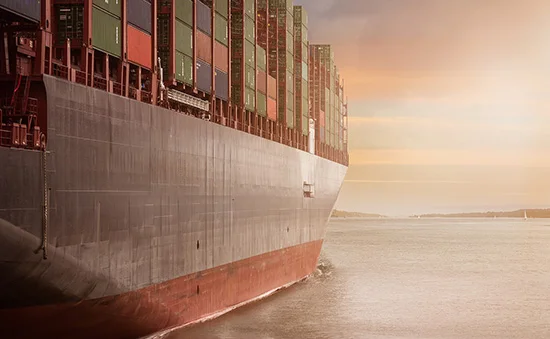
Why International Sea Freight Service Dominates Global Logistics
Sea freight accounts for over 80% of global cargo volume due to its ability to transport large quantities at relatively low cost per unit.
Compared to air freight:
Transit time is longer (typically 15–45 days depending on route)
Cost per cubic meter or ton is significantly lower
Capacity is virtually unlimited for bulk and oversized cargoCompared to rail freight:
Sea freight offers broader global coverage, especially intercontinental routes
Rail provides faster transit in specific corridors but limited geographic reachThis makes International Sea Freight service the preferred choice for:
High-volume manufacturing exports
Non-urgent goods with predictable demand cycles
Heavy or oversized equipment transportation
Cost Structure Breakdown: Beyond Freight Rates
One of the most common misunderstandings is focusing only on ocean freight rates. In reality, total sea freight cost includes multiple components.
Key cost elements include:
Ocean freight (base shipping rate per container or CBM)
Origin charges (handling, documentation, terminal fees)
Destination charges (port handling, delivery fees)
Customs clearance and duties
Inland transportation (trucking or rail to final destination)For example, a 40HQ container shipment may have a competitive ocean rate, but high destination port charges can significantly increase total landed cost.
Optimizing International Sea Freight service requires evaluating total logistics cost rather than isolated pricing.
FCL vs LCL: Choosing the Right Shipping Mode
The choice between Full Container Load (FCL) and Less than Container Load (LCL) directly impacts cost efficiency and cargo handling.
Full Container Load (FCL)
Best suited for:
Large shipment volumes
High-value goods requiring minimal handling
Time-sensitive shipments with fixed schedulesAdvantages:
Lower cost per unit for large volumes
Reduced risk of cargo damage due to fewer handling points
Faster transit due to direct container movement
Less than Container Load (LCL)
Best suited for:
Smaller shipments that do not fill a full container
Flexible shipping schedulesConsiderations:
Higher cost per CBM compared to FCL
Additional handling at consolidation warehouses
Potential delays due to cargo consolidation and deconsolidationSelecting the correct mode depends on shipment size, urgency, and cost sensitivity.
Transit Time Optimization Across Global Routes
Transit time in International Sea Freight service is influenced by several variables:
Shipping route and distance
Port congestion at origin or destination
Carrier schedule reliability
Transshipment requirementsTypical transit benchmarks:
Asia to North America: 15–30 days
Asia to Europe: 25–40 days
Intra-Asia routes: 5–15 daysTransit time variability can significantly impact inventory planning and cash flow.
Strategies to optimize transit time include:
Selecting direct shipping routes when possible
Choosing carriers with high schedule reliability
Avoiding peak season congestion periods
Container Types and Cargo Compatibility
Different cargo types require specific container configurations.
Common container options include:
20GP and 40GP standard containers for general cargo
40HQ containers for high-volume, lightweight goods
Refrigerated containers for temperature-sensitive products
Open-top or flat-rack containers for oversized cargoImproper container selection can lead to:
Inefficient space utilization
Increased shipping cost
Cargo damage during transitMatching cargo characteristics with container type is essential for cost and safety optimization.
Risk Management in Sea Freight Operations
Sea freight involves multiple risk factors due to long transit times and complex logistics chains.
Key risks include:
Cargo damage due to improper packaging or handling
Delays caused by port congestion or weather conditions
Customs clearance issues due to documentation errorsRisk mitigation strategies include:
Using standardized packaging and securing methods
Ensuring accurate and complete shipping documentation
Selecting reliable logistics partners with strong global networksCargo insurance is also a critical component for high-value shipments.
Customs Clearance and Compliance Efficiency
Customs clearance is often a major bottleneck in international shipping.
Key factors affecting clearance efficiency:
Accuracy of commercial invoices and packing lists
Proper classification under HS codes
Compliance with destination country regulationsDelays in customs can lead to:
Storage fees at ports
Disruption of supply chain schedules
Increased operational costAn integrated International Sea Freight service provider should offer customs support to streamline this process.
Integration with Multimodal Logistics Networks
Sea freight is rarely a standalone service. It must be integrated with inland transportation, warehousing, and distribution.
Typical logistics chain includes:
Factory pickup and inland transport
Port handling and ocean shipping
Destination port clearance
Final delivery via trucking or railDongguan Mingyuda Electronic Technology Co., Ltd. provides integrated logistics solutions that combine international sea freight with air freight, express delivery, China-Europe rail transport, customs clearance, and overseas warehousing.
This multimodal integration enables:
Flexible routing options based on urgency and cost
Reduced transit time through optimized logistics planning
Seamless coordination across different transportation modes
FBA and Cross-Border E-commerce Logistics
For e-commerce businesses, International Sea Freight service plays a key role in cost control for bulk inventory replenishment.
FBA (Fulfillment by Amazon) logistics requires:
Precise labeling and packaging standards
Scheduled delivery to Amazon warehouses
Coordination with last-mile delivery providersSea freight is often used for large-volume shipments to reduce cost per unit, combined with air freight for urgent restocking.
Digitalization and Visibility in Modern Sea Freight
Modern logistics increasingly relies on digital platforms for tracking and management.
Key capabilities include:
Real-time shipment tracking
Automated documentation processing
Predictive ETA (Estimated Time of Arrival) updatesImproved visibility allows better inventory planning and reduces uncertainty in supply chain operations.
Sustainability and Environmental Considerations
Sea freight is more energy-efficient per ton-kilometer compared to air freight, making it a more sustainable option for global trade.
However, environmental regulations are becoming stricter, requiring:
Cleaner fuel usage
Emission reduction technologies
Optimized shipping routes to reduce carbon footprintBusinesses are increasingly factoring sustainability into logistics decisions.
Conclusion
International Sea Freight service remains the most cost-effective and scalable solution for global cargo transportation. However, achieving optimal performance requires more than selecting a shipping method—it demands a comprehensive understanding of cost structures, transit dynamics, and system integration.
From container selection and route optimization to customs clearance and multimodal coordination, every step influences overall logistics efficiency.
With integrated solutions from providers like Dongguan Mingyuda Electronic Technology Co., Ltd., businesses can streamline their global supply chains, reduce operational risk, and achieve a balance between cost, speed, and reliability in international shipping.
http://www.usllglobal.com
Dongguan Mingyuda Electronic Technology Co., Ltd. -
AuthorPosts

- You must be logged in to reply to this topic.