- This topic is empty.
-
AuthorPosts
-
2026-06-05 at 9:38 am #8521
Basic structure and what they’re built for
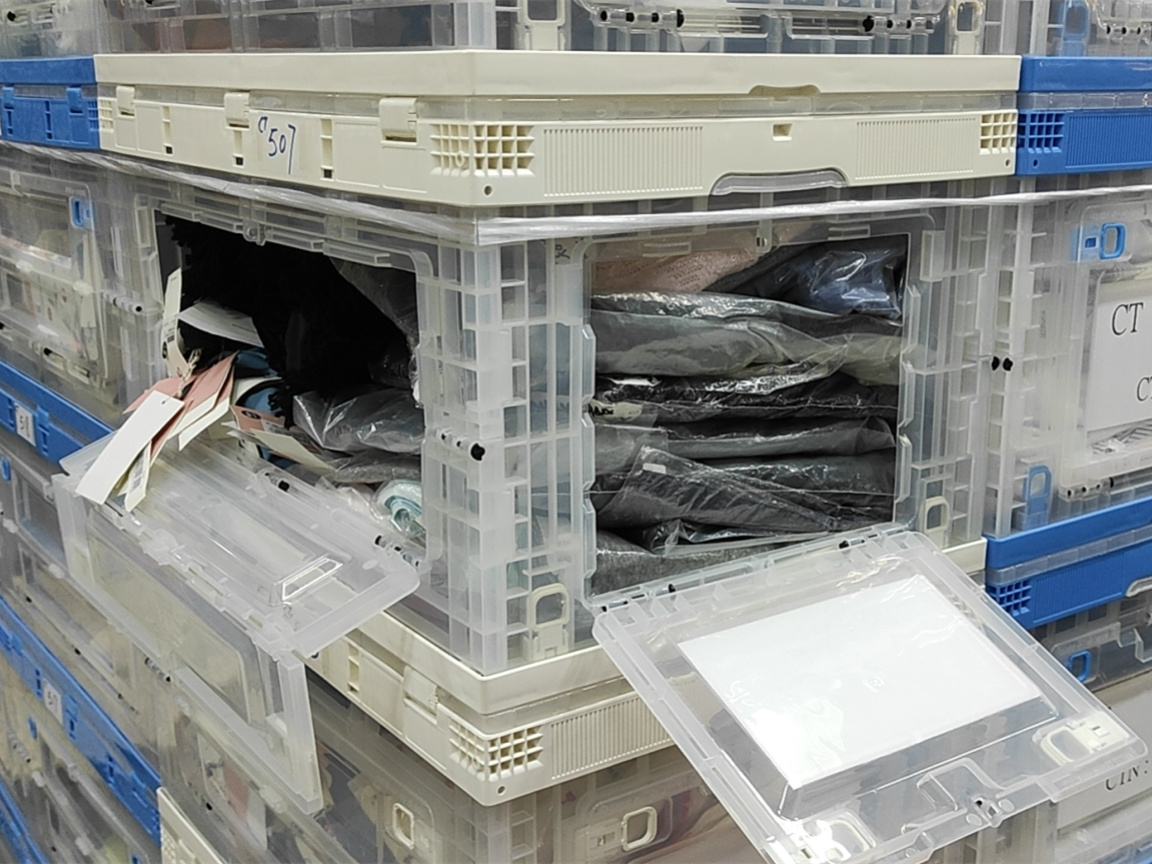
These folding turnover containers are typically injection-molded using high-strength PP (polypropylene). The design isn’t just about durability—the corners are rounded and smoothed out specifically to avoid snagging or scratching textiles during handling, which is a real issue in garment logistics.
In most setups, the external dimensions are aligned with standard industrial racks and carriers, so they can be dropped directly into existing warehouse systems. When needed, they can also be stacked independently like normal storage boxes.
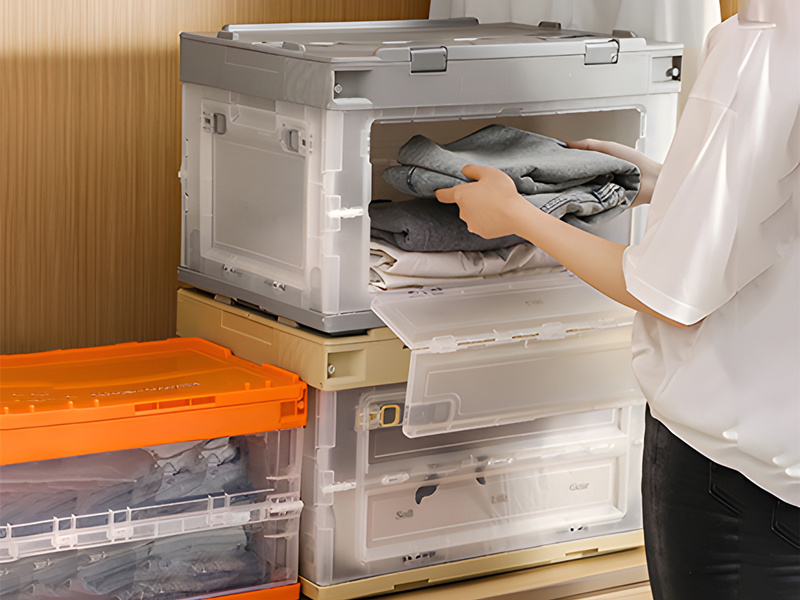
One detail that stands out in actual use is the side access door design. Instead of fully unloading the container, operators can open the side panel to retrieve items directly. This is particularly useful in sewing workshops and sorting stations where visibility and quick access matter.
What companies usually care about (practical benefits)
From what I’ve seen in footwear and apparel operations, the value of this kind of container really comes down to four operational points:
1. Space reduction during return logistics
When empty, these containers fold down to roughly a quarter of their expanded volume. That alone changes how return transport is planned—trucks can carry significantly more units per trip, and warehouses don’t need to dedicate large areas just to store empty bins. In dense production environments, this often translates into noticeable space relief (commonly reported around the “up to 70% space utilization improvement” range when fully optimized across the system).2. Load stability and long-term use
The structure is reinforced for repeated turnover cycles, and typical working loads can exceed 20kg depending on configuration. In practice, this makes them suitable for fabric rolls, semi-finished garments, and boxed footwear. Compared to disposable packaging or weaker plastic crates, the lifecycle is much longer—many users report stable performance over multiple years (often 5+ years under normal industrial conditions), which reduces replacement frequency.3. Cleaner handling and easier operation
PP material doesn’t absorb moisture easily and is resistant to mold growth, which is important in textile environments where humidity can fluctuate. Cleaning is straightforward since the surface is non-porous. Folding and unfolding doesn’t require tools, so line workers can operate them quickly without special training. The flat base also makes them compatible with line-side trolleys, supporting low-contact or near “touch-minimized” material movement.4. Standardization across the supply chain
When dimensions are standardized, these containers become part of a larger circulation system rather than just storage boxes. It becomes easier to manage flow between fabric suppliers, cutting workshops, assembly lines, and final packaging stations. Identification labeling (barcodes or printed IDs) also supports tracking, which reduces errors like mixing batches or unnecessary re-sorting during transfers.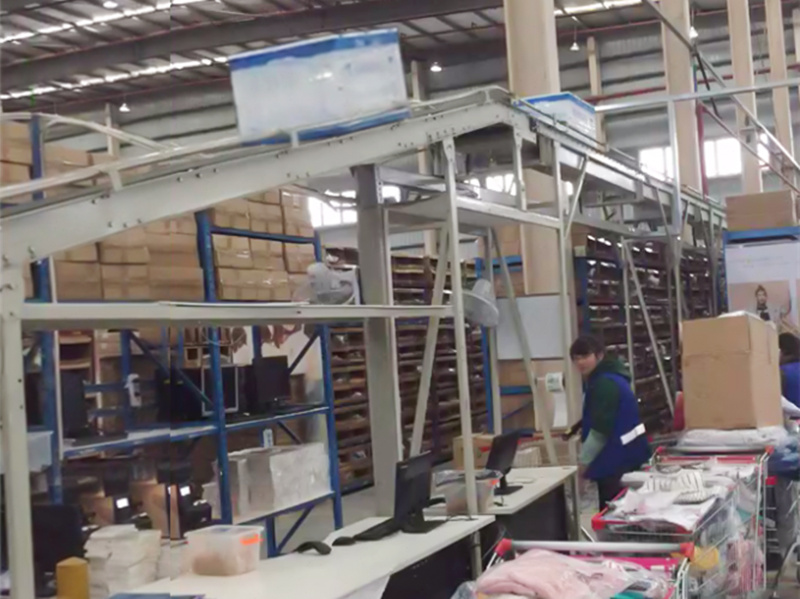
Practical deployment advice (what usually gets overlooked)
From a manufacturer-side perspective, the biggest implementation issues are rarely about the container itself—they’re about how it’s introduced into the system.
A few points that consistently matter in real deployments:
-
Start with a limited rollout first
It’s usually better to test on one or two production lines before scaling. Different workshops often have slightly different handling habits, and this helps identify friction early. -
Build a clear circulation rule set
Once containers are shared across departments or factories, responsibility can become unclear. Defining ownership, return cycles, and maintenance responsibilities prevents loss and damage over time. -
Don’t ignore identification customization
Even simple things like printed logos, QR codes, or serial numbering make a big difference in traceability. In multi-stage production environments, this is what prevents containers from becoming “invisible assets” that gradually disappear into circulation chaos.
http://www.zjplasticbox.com
Zhejiang Zhengji Plastic Industry Co., Ltd. -
-
AuthorPosts

- You must be logged in to reply to this topic.