- This topic is empty.
-
AuthorPosts
-
2026-06-25 at 9:34 am #9059
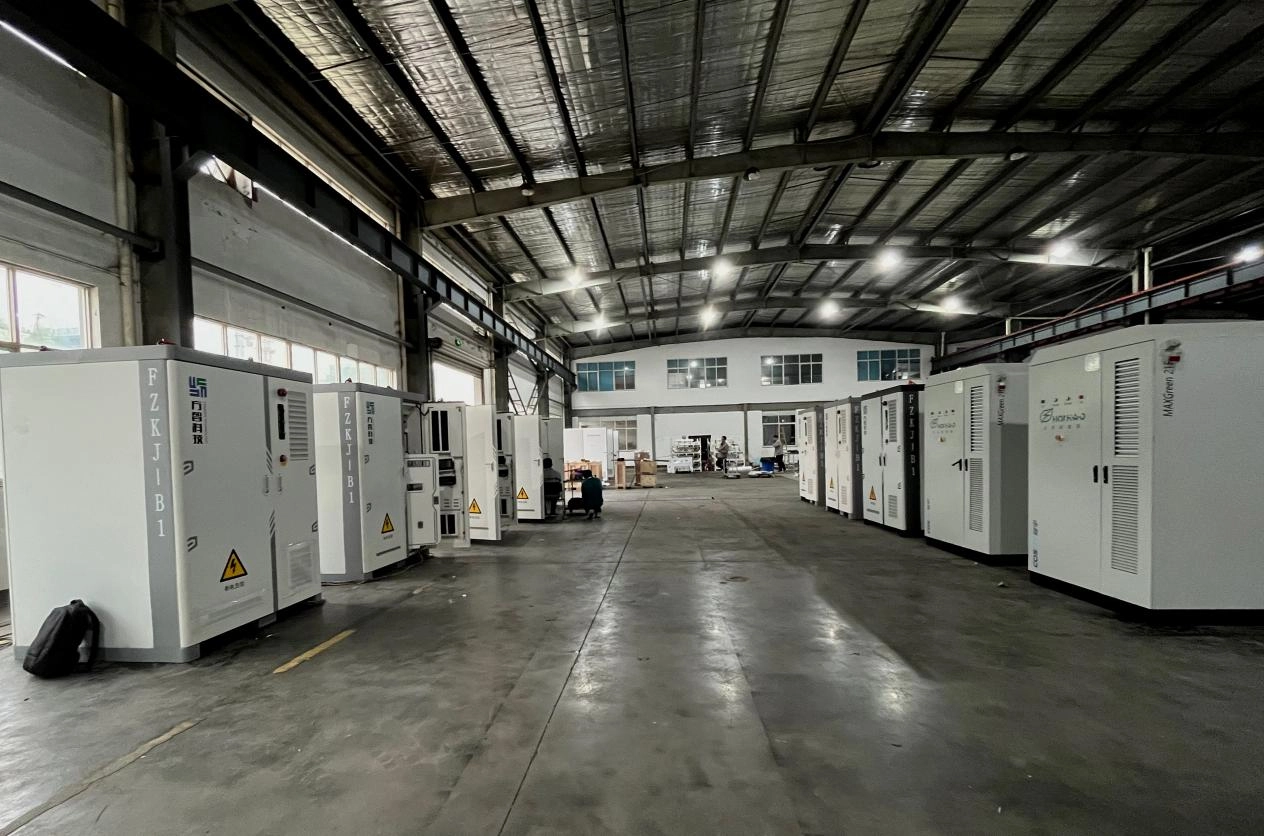
In real-world deployments, solar energy storage systems are often installed in challenging environments such as deserts, coastal regions, remote construction sites, and mobile cold-chain setups. Although modern solar PV energy storage systems are designed with strong environmental adaptability, field operation still reveals a range of practical issues under extreme heat, cold, humidity, dust, and unstable grid conditions.
This post summarizes some common operational challenges and troubleshooting insights based on typical containerized PV storage applications.
1. Environmental Stress Factors on Containerized PV Storage Systems
Containerized energy storage integrates PV input, battery packs, thermal management, and EMS control into a compact enclosure. While this improves system integration, harsh environments still introduce significant stress:
-
High temperatures accelerate battery aging and capacity fade
-
Low temperatures reduce discharge efficiency and power output
-
Dust and sand accumulation impacts cooling performance and electrical contacts
-
Salt mist in coastal regions increases corrosion risk
-
High humidity or heavy rain may affect insulation stability
Manufacturers such as Fong Power Technology typically address these challenges through IP55-rated enclosures, EMS coordination strategies, and operating temperature ranges from −20°C to 55°C. However, real-world maintenance remains essential for stable long-term operation.
2. Thermal Instability and Cooling System Behavior
Typical symptoms
-
Frequent system derating under load
-
Repeated battery temperature alarms
-
Reduced charge/discharge capability
-
Cooling system running continuously at high load
Field troubleshooting approach
-
Inspect air intake and exhaust paths for dust blockage
-
Clean or replace air filters in sandy or dusty environments
-
Verify temperature sensor accuracy and calibration
-
Check for uneven internal airflow or localized hot zones
-
Reduce direct solar exposure where possible through site layout optimization
For applications such as cold-chain logistics, high-precision thermal-controlled container systems can significantly improve internal temperature stability and reduce thermal cycling stress on batteries.
3. Battery Performance Degradation Under Harsh Conditions
Observed issues
-
Apparent capacity decline
-
Cell voltage imbalance
-
Longer charging durations
-
Unexpected system shutdowns
Recommended actions
-
Maintain SOC within recommended operating windows
-
Use EMS data to monitor cell-level voltage deviation trends
-
Avoid frequent deep discharging during low solar generation periods
-
Schedule periodic battery balancing operations
Lithium iron phosphate (LFP) battery systems commonly used in these setups can achieve long cycle life (up to ~8,000 cycles at 70% state of health), but only when operating conditions and energy management strategies are properly controlled.
4. EMS Communication and Control Irregularities
The Energy Management System (EMS) coordinates PV generation, storage dispatch, and load scheduling. Communication instability can significantly reduce system efficiency even if all hardware components are functioning normally.
Common symptoms
-
Remote monitoring platform offline
-
Failed dispatch or control commands
-
Load scheduling inconsistencies
-
Delayed or missing telemetry updates
Troubleshooting steps
-
Inspect RS485, CAN, and Ethernet connections for looseness or moisture intrusion
-
Review EMS configuration parameters (peak shaving, load following, etc.)
-
Confirm firmware version compatibility across devices
-
Validate communication protocol consistency between subsystems
Cloud-based EMS platforms can help detect early-stage anomalies before they escalate into system-level faults.
5. PV Input Instability and Generation Issues
Extreme environments directly affect photovoltaic input performance:
-
Dust, sand, or snow covering PV panels
-
Connector aging or cable degradation
-
Fluctuating irradiance due to weather instability
Practical mitigation
-
Implement regular panel cleaning schedules based on site conditions
-
Inspect PV mounting or retractable structures for mechanical obstruction
-
Measure DC input voltage under peak sunlight conditions
-
Recheck grounding integrity after storms or severe weather
Stable PV input is essential to reduce unnecessary battery cycling and improve overall system efficiency.
6. Moisture, Corrosion, and Protection Considerations
Humidity and coastal salt exposure can gradually degrade system reliability if not properly managed.
Key maintenance practices include:
-
Periodic inspection of seals, gaskets, and cable glands
-
Application of anti-corrosion treatment on exposed metallic surfaces
-
Monitoring insulation resistance over time
-
Keeping drainage channels clear and functional
While IP55 protection provided by Fong Power Technology offers solid baseline protection, routine inspection is still necessary for long-term durability.
7. Operational Practices and Maintenance Discipline
Beyond hardware design, operational behavior has a major impact on system stability:
-
Incorrect parameter tuning in EMS
-
Delayed response to alarm events
-
Lack of preventive maintenance routines
-
Inconsistent inspection schedules
Well-structured O&M procedures and trained technical teams significantly reduce downtime. Professional maintenance services with electrical and fire safety expertise are especially important for large-scale PV storage deployments.
Preventive Maintenance Checklist
-
Cooling system inspection — Monthly (thermal stability assurance)
-
Battery performance analysis — Monthly (early degradation detection)
-
Communication system testing — Quarterly (EMS reliability check)
-
Sealing and enclosure inspection — Quarterly (moisture prevention)
-
PV panel cleaning — Based on site conditions (generation efficiency)
FAQ
Q1: How frequently should inspections be conducted in harsh environments?
Monthly visual inspections combined with quarterly electrical diagnostics are generally recommended.Q2: What is the optimal temperature range for battery operation?
Most LFP battery systems perform best between 15°C and 35°C, with EMS-controlled cooling helping maintain stability.Q3: Can remote monitoring fully replace on-site inspection?
No. Remote monitoring improves visibility but cannot fully substitute physical inspections and maintenance.Q4: What are common causes of unexpected system shutdowns?
Thermal protection triggers, communication failures, and incorrect EMS parameter settings are typical causes.
Conclusion
Operating a solar PV energy storage system in extreme environments requires a combination of robust system design, intelligent EMS coordination, and disciplined maintenance practices.
Thermal control, battery management, communication reliability, and environmental protection all play critical roles in ensuring stable performance. With proper engineering design and structured O&M strategies—such as those implemented by Fong Power Technology—systems can maintain high efficiency and long service life even in demanding applications like cold-chain logistics, remote power supply, offshore operations, and mobile energy deployment.
http://www.fongpower.com
Fong Power Technology Co., Ltd -
-
AuthorPosts

- You must be logged in to reply to this topic.