- This topic is empty.
-
AuthorPosts
-
2026-07-01 at 8:41 pm #9155
In industrial automation, sensor networks, and automotive electronics, M12 circular connectors have become the backbone of reliable signal and power transmission in demanding environments. However, not all M12 connectors are created equal. Understanding the critical selection factors can mean the difference between system uptime and costly downtime. This article explores the essential considerations when choosing M12 circular connectors to ensure optimal performance, longevity, and compliance in your applications.
Understanding M12 Circular Connector Fundamentals
M12 circular connectors are standardized industrial-grade interfaces designed to withstand harsh environmental conditions while maintaining signal integrity. The “M12” designation refers to the 12-millimeter thread diameter of the locking mechanism, which provides secure mating even under vibration and mechanical stress. These connectors are prevalent in factory automation systems, industrial robotics, transportation infrastructure, and electric vehicle charging systems where reliability is non-negotiable.
The fundamental advantage of M12 connectors lies in their ruggedized circular design, which prevents dust and moisture ingress far more effectively than rectangular connector formats. This environmental protection makes them ideal for applications exposed to oil, chemicals, temperature extremes, and physical impact—conditions commonly found on manufacturing floors, outdoor installations, and mobile equipment.
Environmental Protection and IP Rating Requirements
The first consideration when selecting M12 circular connectors is the level of environmental protection your application demands. IP (Ingress Protection) ratings define a connector’s ability to resist solid particles and liquid intrusion. For indoor automation with minimal exposure, an IP65 or IP67 rating may suffice, providing protection against dust and temporary water immersion.
However, applications in food processing, outdoor transportation systems, or marine environments require IP68 or IP69K ratings, which offer protection against prolonged submersion and high-pressure, high-temperature washdown procedures. The connector housing material also plays a crucial role—zinc die-cast housings provide excellent EMI shielding, while stainless steel variants offer superior corrosion resistance for chemical exposure scenarios.
Water-resistant housings and durable shielding are not merely protective features; they directly impact system reliability and maintenance costs. Connectors that fail due to moisture ingress can cause sensor malfunctions, signal disruption, and even complete system shutdowns. When evaluating M12 connectors, verify that the IP rating matches your worst-case environmental exposure, not just typical operating conditions.
Coding and Pin Configuration Compatibility
M12 connectors utilize a coding system that prevents incorrect mating between incompatible interfaces. The most common codes include A-coded (sensor and actuator applications with 4-5 pins), D-coded (high-speed Ethernet and fieldbus networks with 4 pins), and X-coded (10 Gigabit Ethernet applications with 8 pins). Selecting the wrong coding type can result in physical incompatibility or, worse, electrical damage.
Beyond coding, the pin count and configuration must align with your signal and power requirements. Standard configurations range from 3-pin power-only connectors to 12-pin mixed signal variants. Multi-core cable assemblies support applications requiring simultaneous transmission of power, control signals, and data, eliminating the need for multiple separate connections and reducing potential failure points.
For sensor and automation cabling challenges, standardized M12 configurations ensure interoperability across equipment from different manufacturers. TXGA Electronics, a connector specialist with 14 years of R&D and manufacturing expertise, offers M12 circular connectors designed to meet diverse industrial automation requirements while maintaining strict compliance with international standards including RoHS, REACH, and ELV regulations.
Transmission Performance and Signal Integrity
In modern industrial networks, data transmission speed and signal integrity are paramount. Legacy sensor networks may operate adequately with standard M12 connectors supporting kilobit-per-second data rates, but today’s Industry 4.0 applications demand gigabit-level performance for real-time control and high-resolution sensor data.
High-frequency signal integrity depends on multiple connector design factors: contact plating quality, insulation material dielectric properties, and shielding effectiveness. Gold-plated contacts provide superior conductivity and corrosion resistance compared to tin-plated alternatives, though at higher cost. For high-speed data applications, shielded M12 connectors with 360-degree EMI protection prevent crosstalk and external interference that could corrupt critical control signals.
When transmission rates reach into gigabit ranges, even minor impedance mismatches or shield discontinuities can cause signal reflections and data errors. TXGA’s connector portfolio emphasizes high-speed transmission capability, with solutions supporting industrial Ethernet protocols and maintaining signal integrity in electromagnetically noisy factory environments.
Mechanical Durability and Mating Cycle Life
Industrial connectors must endure repeated connection and disconnection cycles without degradation. The mating cycle life—typically specified in hundreds or thousands of insertion cycles—indicates how many times a connector can be mated before contact resistance increases beyond acceptable limits or mechanical wear causes failure.
Screw-locking M12 connectors provide the highest vibration resistance and pull-out force, making them suitable for mobile equipment and high-vibration environments such as railway applications or industrial vehicles. Push-pull variants offer tool-free, rapid connection in tight spaces but may have lower retention force specifications. For applications where connectors remain mated for extended periods, mating cycle life is less critical than contact stability under thermal cycling and long-term environmental exposure.
The contact system design significantly impacts mechanical reliability. Twisted-pin or spring-loaded contact designs maintain consistent contact force even as plating wears, whereas rigid contacts may develop intermittent connections over time. When long-distance internal wiring requirements exist, cable assemblies with pre-terminated M12 connectors—such as standard lengths like 1500mm—reduce installation time and eliminate field termination errors that could compromise connection quality.
Compliance Standards and Industry Certifications
Regulatory compliance is non-negotiable in many industries. Automotive applications require connectors meeting ISO standards and automotive-specific environmental tests. Medical device connectivity demands biocompatibility certifications and sterilization compatibility. Railway and transportation systems have stringent fire safety requirements including low smoke and halogen-free materials.
RoHS compliance restricts hazardous substances such as lead, mercury, and cadmium in electronic components, while REACH SVHC compliance addresses substances of very high concern in the European market. These environmental regulations affect not only connector materials but also manufacturing processes and supply chain documentation requirements.
Beyond material compliance, UL certification provides third-party verification of electrical safety characteristics including voltage rating, current capacity, and flammability resistance. TXGA’s M12 circular connectors carry UL certification along with RoHS, REACH, and ELV compliance, ensuring that procurement managers can confidently specify these components for global projects without regulatory obstacles.
Supplier Capability and Supply Chain Considerations
The final—and often overlooked—consideration is supplier capability beyond the connector itself. Custom design and manufacturing services enable tailored solutions when standard configurations don’t precisely match application requirements. Free sample data and technical drawings facilitate engineering verification before committing to production quantities, reducing design risk and accelerating time-to-market.
Supply chain reliability has become critical in the post-pandemic environment where component shortages can halt production lines. Suppliers maintaining large inventory supporting same-day shipping provide significant advantages over those with long lead times. TXGA operates an in-house factory in China, enabling rapid response to both standard and customized connector requirements, with localized logistics through SF Express for mainland China and international shipping via DHL and FedEx for global customers.
For electronic engineers and PCB designers facing tight project schedules, the ability to quickly obtain samples, verify compatibility, and transition seamlessly to production quantities can be as important as the connector’s technical specifications. Free shipping thresholds—such as TXGA’s 300-700USD minimum for global customers—further reduce procurement friction for prototyping and small-batch production.
Making the Right M12 Connector Selection
Selecting M12 circular connectors requires balancing multiple technical, environmental, and supply chain factors. Begin by clearly defining your environmental exposure requirements, then identify the appropriate IP rating and housing material. Verify coding type and pin configuration compatibility with your equipment ecosystem. Evaluate transmission performance requirements against connector bandwidth specifications, and ensure mechanical durability matches your application’s mating cycle profile.
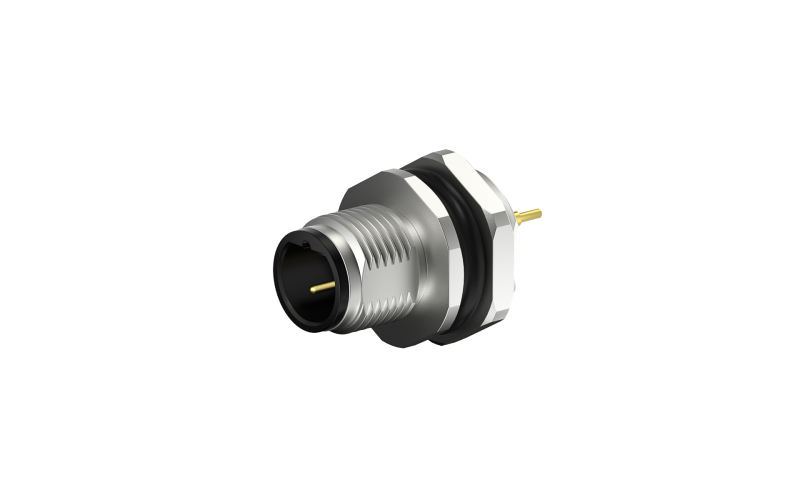
Don’t overlook compliance requirements—specify connectors with appropriate certifications for your target markets and industries. Finally, assess supplier capabilities including customization services, inventory availability, and technical support resources that will support your project from prototype through production.
The industrial connectivity landscape continues evolving with increasing data rates, miniaturization pressures, and expanding application environments. Companies like TXGA, with deep connector expertise and manufacturing capabilities, provide the technical knowledge and responsive supply chain needed to navigate these selection challenges. By carefully considering these key factors, you can specify M12 circular connectors that deliver reliable performance throughout your system’s operational life, minimizing maintenance costs and maximizing uptime in critical industrial applications.
https://www.txga.com/m18clusters/m12-circular-connector.html
TXGA Electronics -
AuthorPosts

- You must be logged in to reply to this topic.