- This topic is empty.
-
AuthorPosts
-
2026-08-12 at 7:13 pm #10370
How a 450 TPH Limestone Crushing Plant Achieves Stable Aggregate Production
For a large-scale limestone quarry, achieving 450 tons per hour is not simply about choosing a high-capacity crusher.
The real challenge is keeping primary crushing, secondary crushing, conveying and screening properly matched so that material can move continuously through the entire production line.
A 450 TPH limestone crushing project in Hunan, China, provides a practical example.
The production line uses a Leimeng GC125 high-performance jaw crusher for primary crushing, followed by a PFG1520 high-efficiency impact crusher and a 2YKJ3070 vibrating screen.
The process can be summarized as:
Raw Limestone → GC125 Jaw Crusher → PFG1520 Impact Crusher → 2YKJ3070 Vibrating Screen → Finished Aggregates
Each stage has a different role in maintaining production capacity and final aggregate quality.
Why Limestone Crushing Requires Process Balance
Limestone is generally easier to crush than highly abrasive hard rock such as granite or basalt, but high-capacity production still requires careful equipment matching.
At 450 TPH, a bottleneck at any stage can affect the output and stability of the entire line.
The production process needs to coordinate:
- raw material feeding;
- primary crushing;
- secondary crushing;
- material conveying;
- aggregate screening;
- finished product classification.
This is why the capacity of a production line should be evaluated as a complete system rather than by the rated capacity of one individual machine.
Primary Crushing with the GC125 High-Performance Jaw Crusher
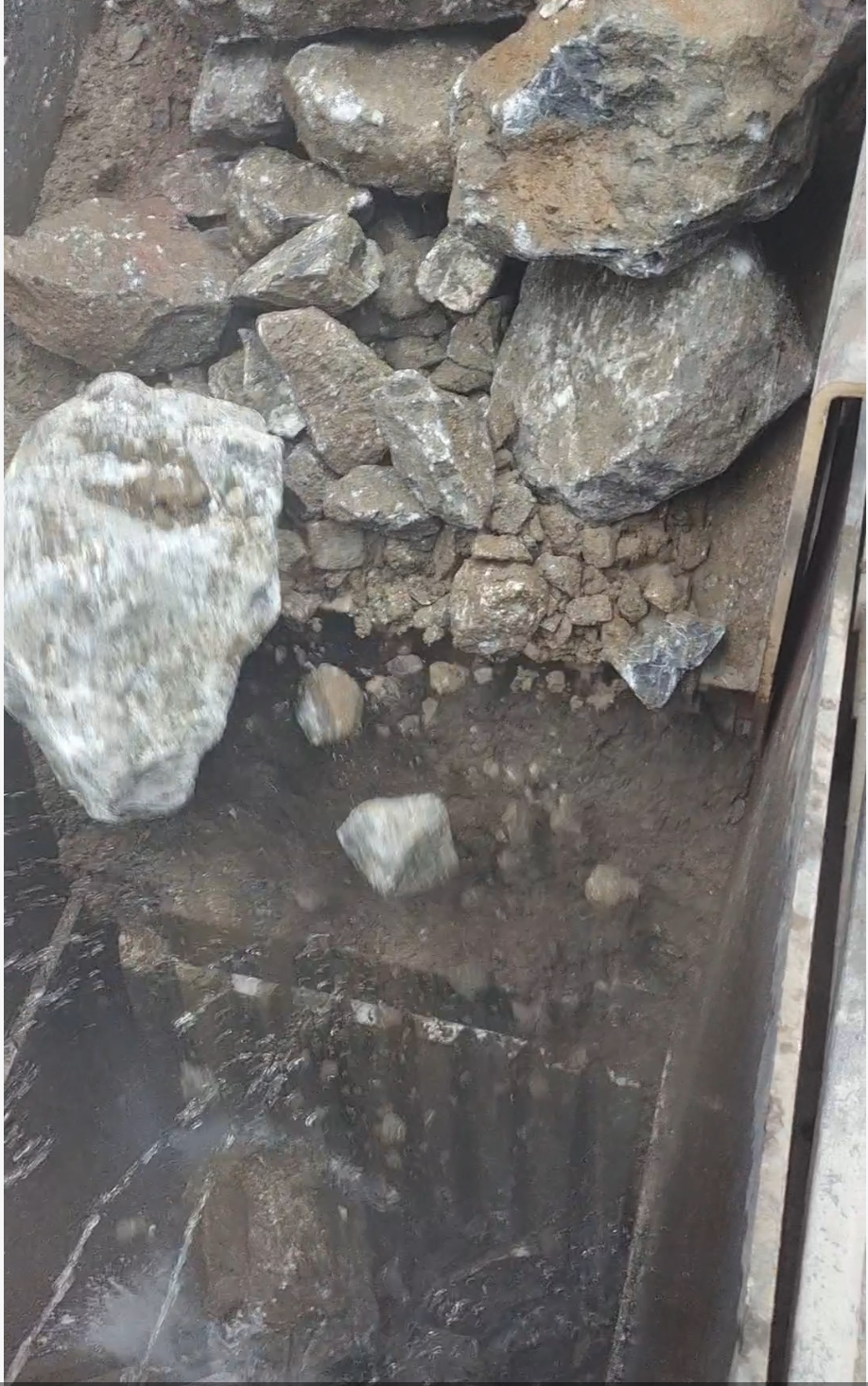
The primary crushing stage of this project is handled by a Leimeng GC125 High-Performance Jaw Crusher.
Its main task is to process large limestone feed and prepare a stable, controlled material size for downstream crushing.
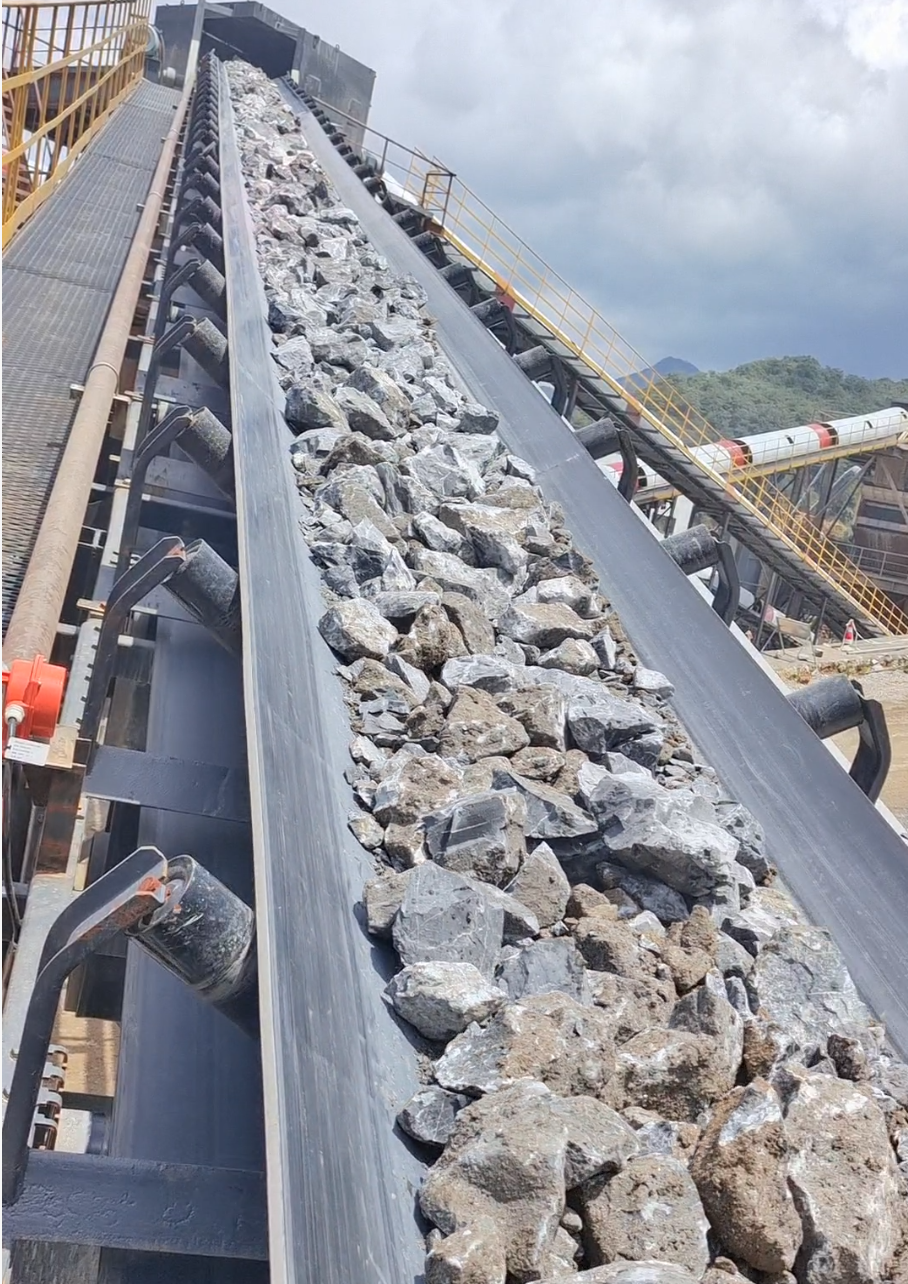
In this production line, the limestone is reduced to below 200 mm before entering the secondary crushing stage.
For a high-capacity aggregate plant, stable primary crushing is particularly important.
It helps:
- maintain continuous material flow;
- control the feed size entering the secondary crusher;
- reduce sudden downstream load fluctuations;
- improve overall production stability.
The GC125 therefore does more than simply reduce large rock. It provides stable feed conditions for the downstream PFG1520 impact crusher.
Secondary Crushing with the PFG1520 High-Efficiency Impact Crusher
After primary crushing, the limestone moves through the conveying system to the secondary crushing stage.
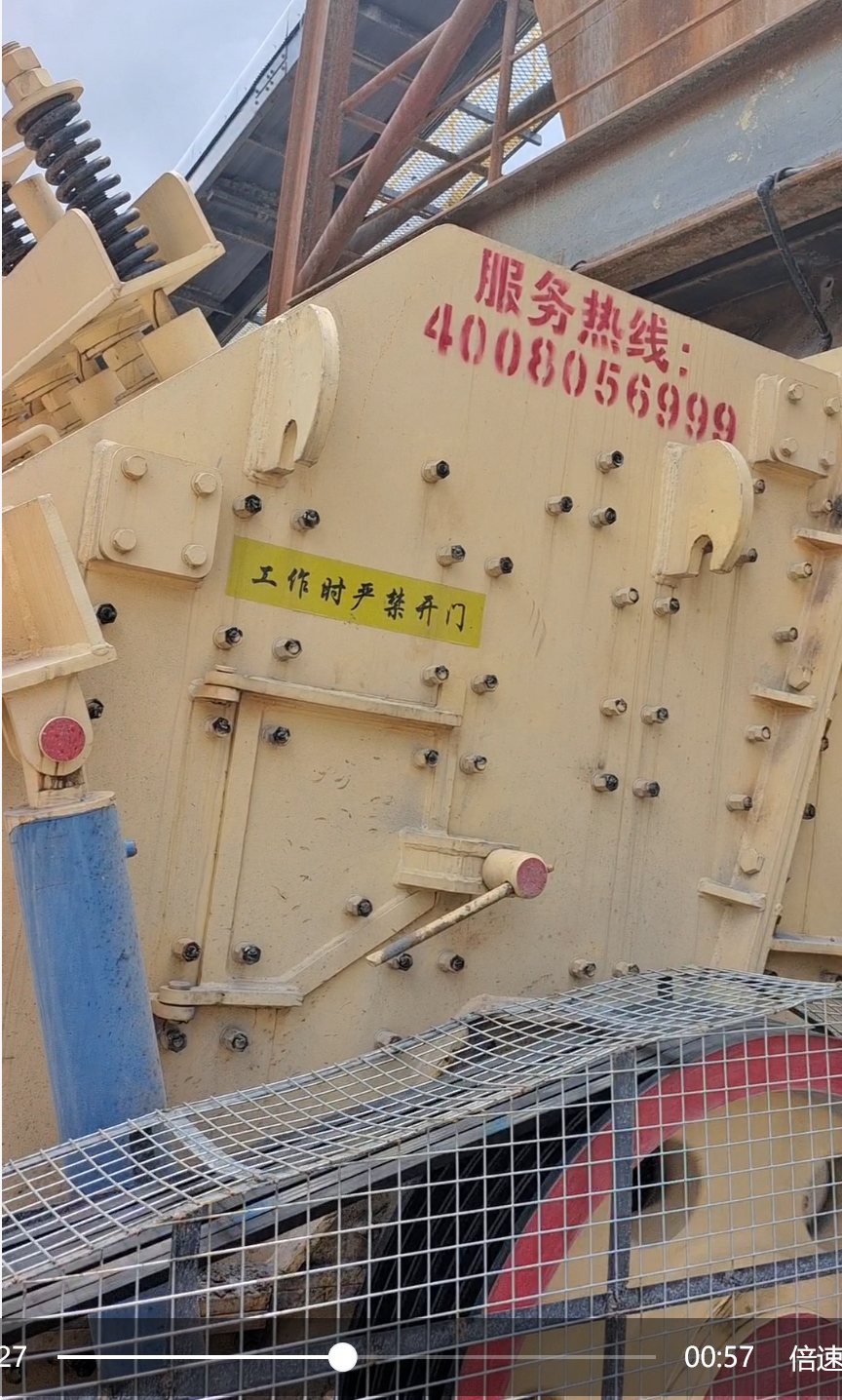
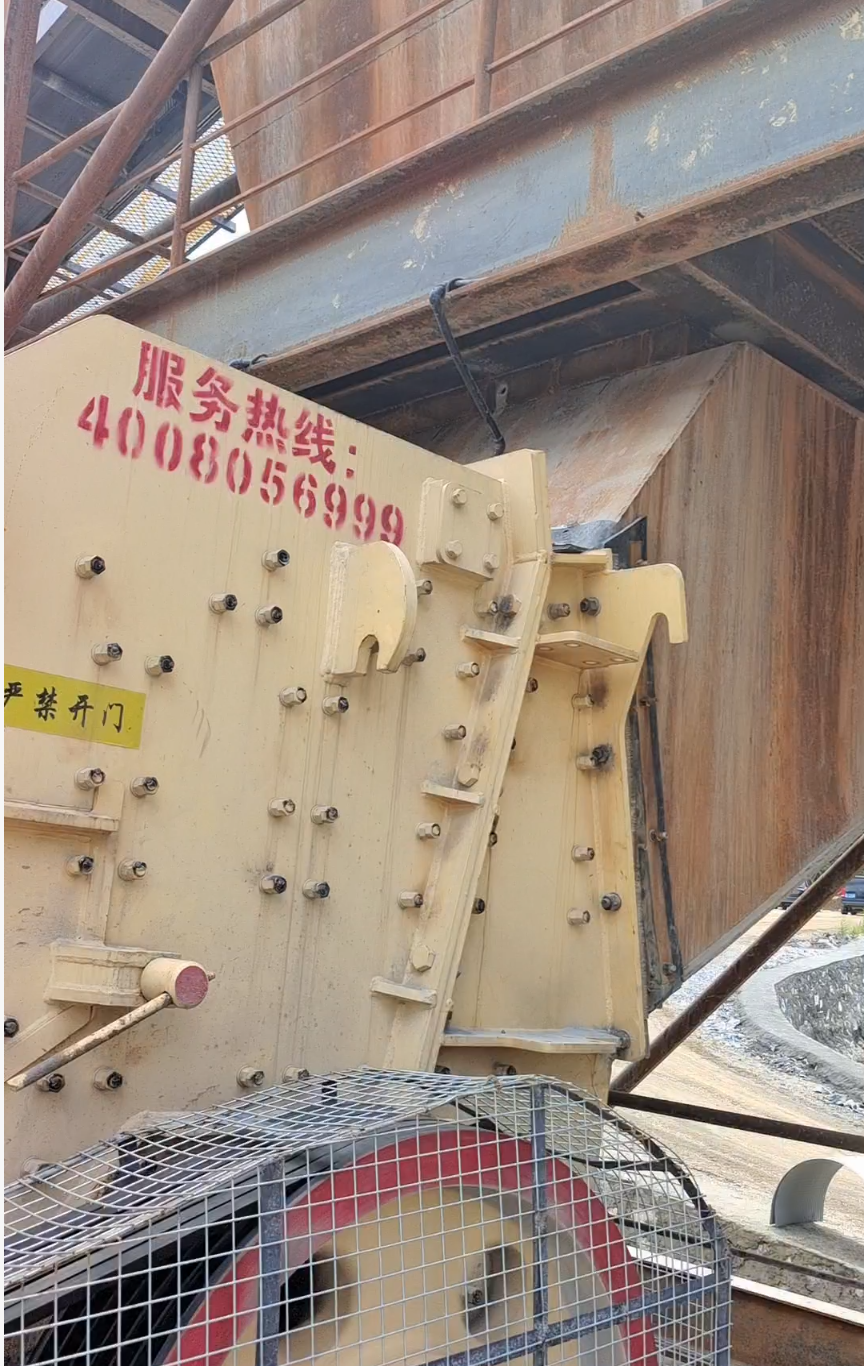
Here, a PFG1520 High-Efficiency Impact Crusher further processes the material.
For limestone aggregate production, impact crushing is commonly used because it can combine size reduction with particle-shape improvement.
This stage helps:
- further reduce particle size;
- improve aggregate particle shape;
- prepare material for final screening;
- maintain more consistent finished aggregate quality.
This becomes particularly important when the finished aggregates are intended for concrete, road construction or other infrastructure applications.
Screening with the 2YKJ3070 Vibrating Screen
After secondary crushing, the material contains particles of different sizes.
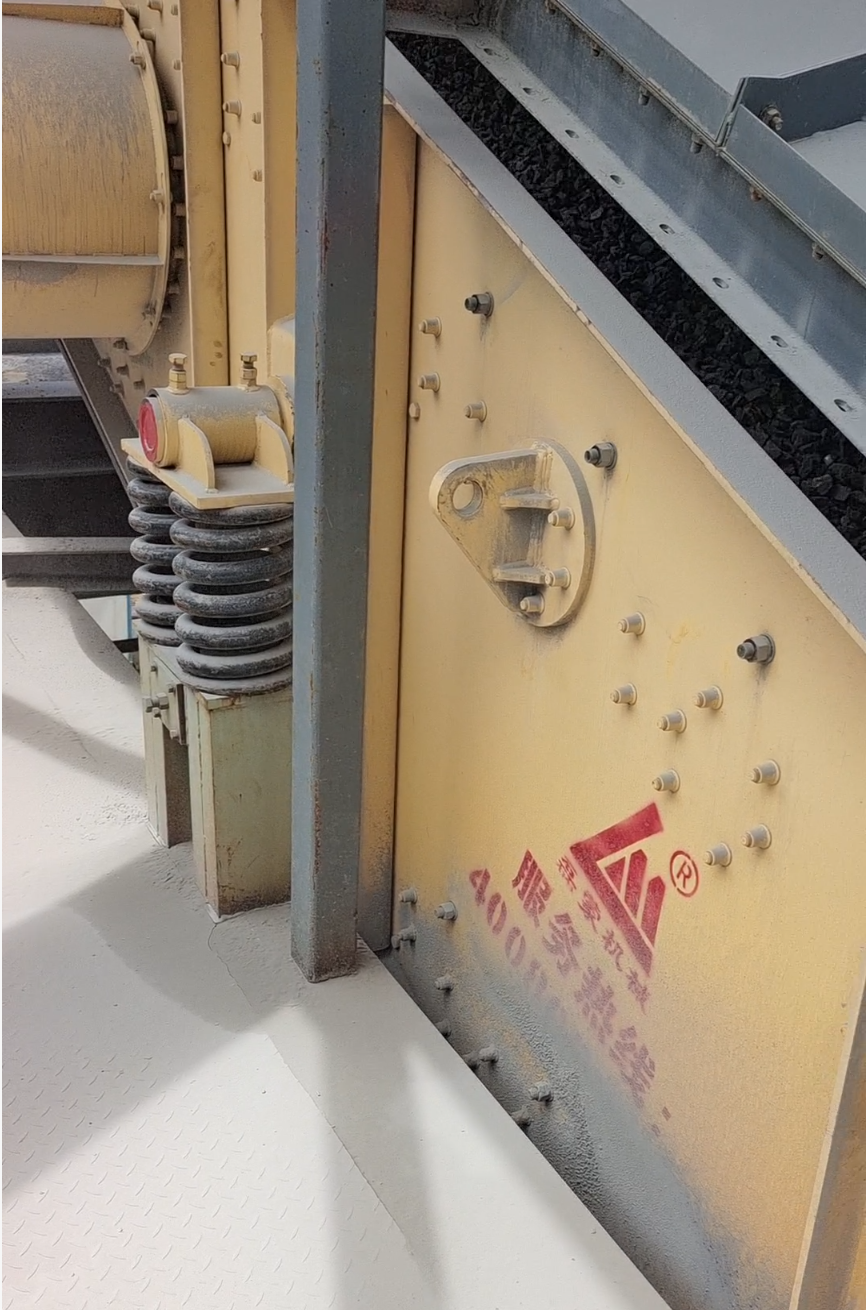
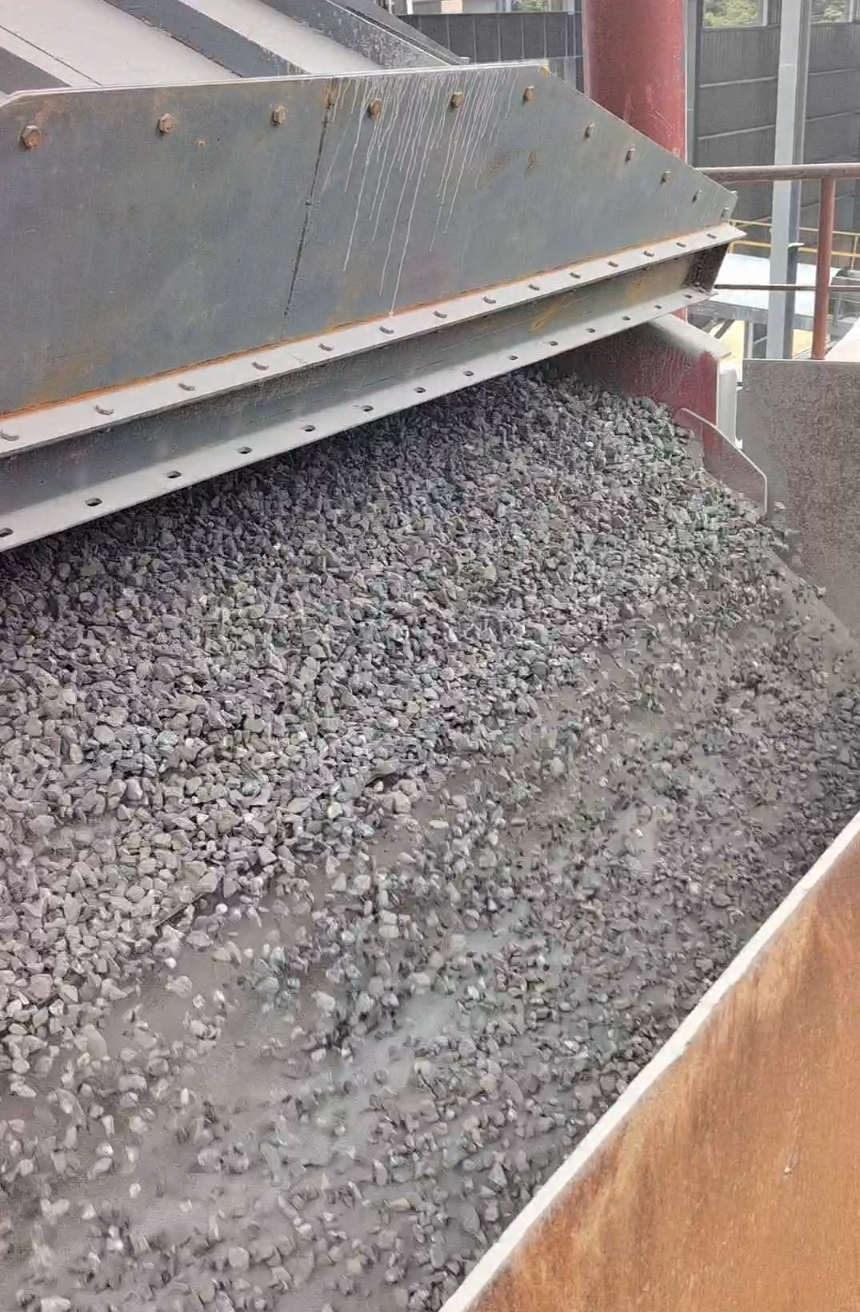
The production line therefore uses a 2YKJ3070 Vibrating Screen for final classification.
Screening converts crushed limestone into commercial aggregate specifications.
A properly matched screening system helps:
- separate finished aggregate sizes;
- maintain stable product grading;
- control oversized material;
- improve finished-product consistency;
- support continuous high-capacity production.
At 450 TPH, screening capacity is just as important as crushing capacity.
Even if the crushers have sufficient processing capacity, an undersized screening system can become a bottleneck and limit the actual output of the entire production line.
Why Equipment Matching Matters at 450 TPH
One of the biggest mistakes in designing an aggregate plant is looking at each machine independently.
A high-capacity primary crusher does not automatically create a 450 TPH production line.
The entire process needs to be balanced.
That includes:
Feeding Capacity
The feeding system must provide stable material flow.Primary Crushing Capacity
The GC125 must handle the incoming limestone while maintaining suitable downstream feed.Secondary Crushing Capacity
The PFG1520 must match the material flow coming from the primary stage.Screening Capacity
The 2YKJ3070 must classify the corresponding volume of crushed material efficiently.Conveying Capacity
Belt conveyors must move material continuously between each processing stage.If one part of the system cannot handle the material supplied by the previous stage, it can become the bottleneck of the entire line.
Why Jaw Crusher + Impact Crusher Works Well for Limestone
For suitable limestone applications, jaw crushing followed by impact crushing is a practical process configuration.
The jaw crusher handles large raw material and performs the initial size reduction.
The impact crusher then processes the smaller feed while helping improve aggregate particle shape.
The two machines therefore perform different roles:
Jaw Crusher → Primary Size Reduction
Impact Crusher → Secondary Crushing + Particle Shape Improvement
For construction aggregate production, this combination can provide a practical balance between capacity, size reduction and finished-product quality.
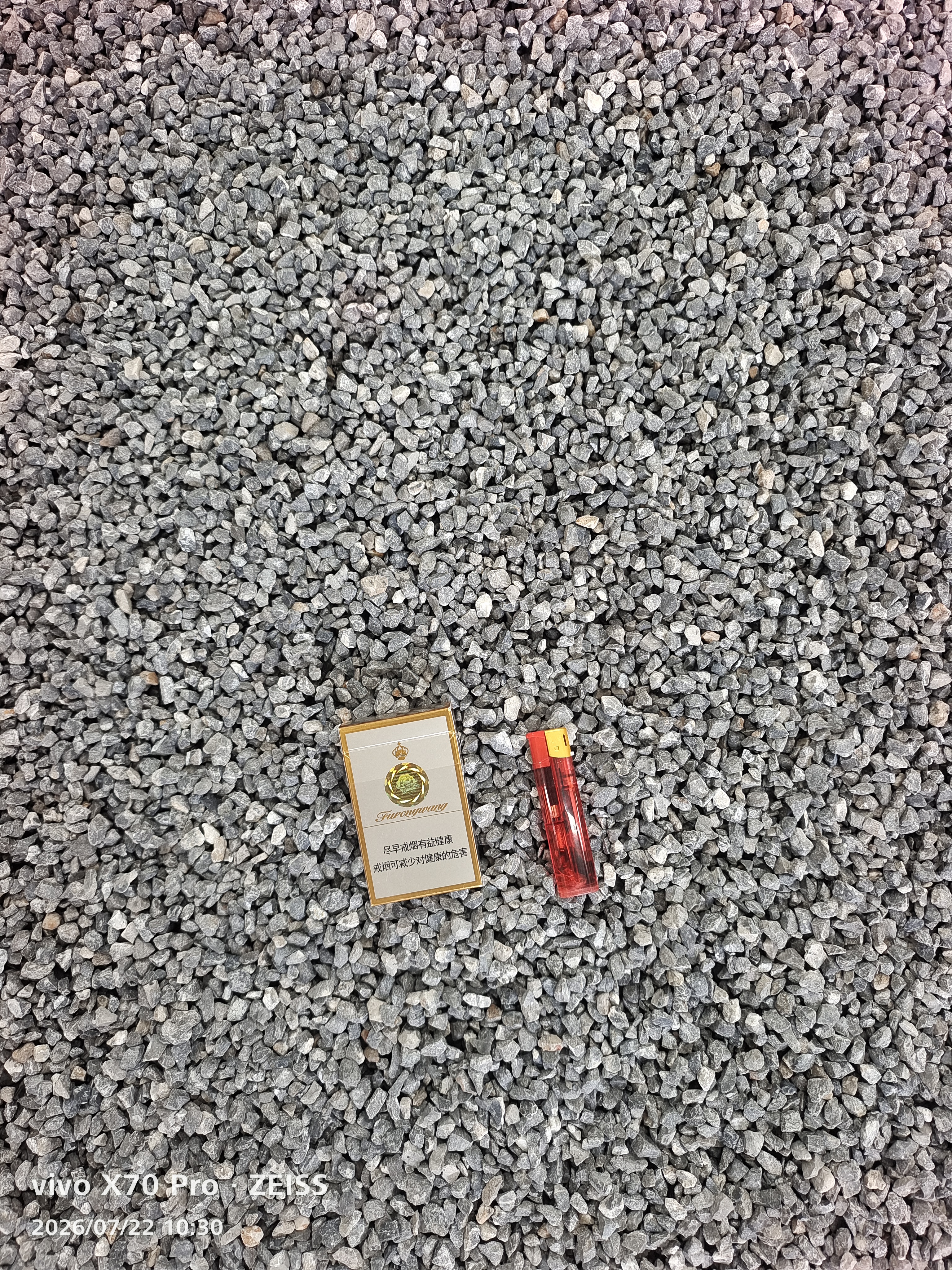
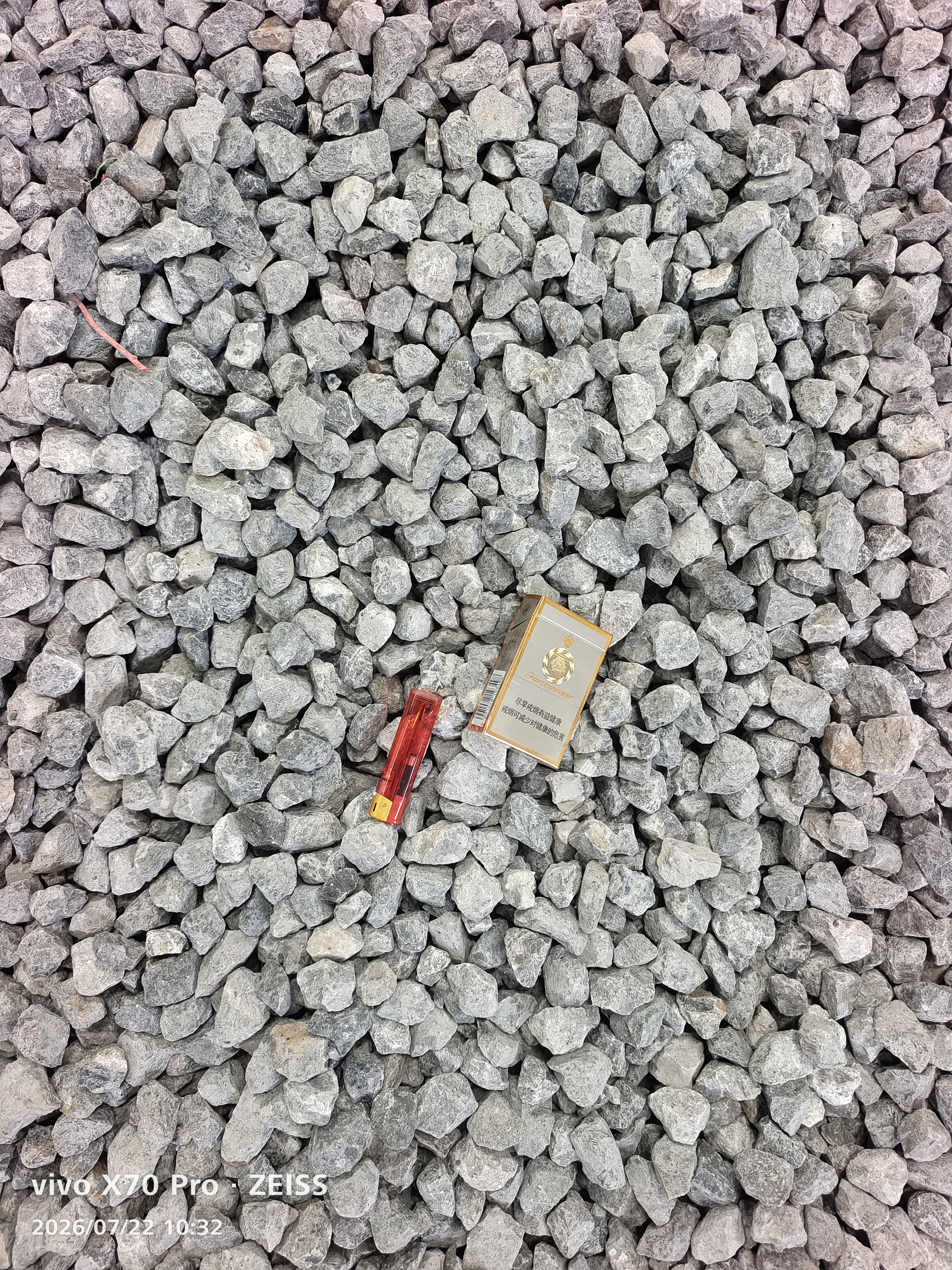
Finished Aggregate Quality Matters
Quarry operators ultimately sell finished aggregate, not crusher capacity.
This means the value of a production line depends on whether it can continuously produce aggregates that meet market requirements.
A stable crushing and screening process helps improve:
- particle-size consistency;
- aggregate shape;
- product grading;
- production efficiency.
This is why crushing and screening should always be considered as one complete production process.
What Should Be Checked Before Designing a Limestone Crushing Plant?
Before selecting equipment for a limestone project, quarry operators should define several basic parameters.
Raw Material
Actual limestone hardness, moisture and impurity content can vary between deposits.
Maximum Feed Size
The maximum raw material size directly affects primary jaw crusher selection.
Required Capacity
A 150 TPH production line and a 450 TPH production line require very different equipment configurations.
Finished Product Sizes
The required number and size of final aggregate products determine the crushing and screening arrangement.
Product Application
Aggregates for concrete, road construction and commercial sales may have different requirements for grading and particle shape.
Site Conditions
Available space, terrain, elevation differences, conveyor arrangement and power conditions can influence the final plant design.
A Practical 450 TPH Limestone Project
The Hunan project provides a real-world example of a high-capacity limestone crushing and screening application.
Project: 450 TPH Limestone Crushing Plant
Location: Hunan, China
Material: Limestone
Capacity: 450 TPH
Primary Crushing: GC125 High-Performance Jaw Crusher
Secondary Crushing: PFG1520 High-Efficiency Impact Crusher
Screening: 2YKJ3070 Vibrating Screen
Application: Construction Aggregate Production
Solution Provider: Leimeng GroupThe production process can be summarized as:
Large Limestone Feed → GC125 Jaw Crusher → Material Below 200 mm → PFG1520 Impact Crusher → 2YKJ3070 Vibrating Screen → Finished Aggregates
Rather than relying on one high-capacity machine, the project uses a coordinated crushing and screening process to maintain production efficiency and finished-product consistency.
Conclusion
Producing limestone aggregates at 450 TPH requires more than high-capacity crushing equipment.
The real challenge is keeping each stage of the production line balanced.
In this Hunan project, the GC125 high-performance jaw crusher handles primary crushing and reduces the limestone to below 200 mm. The PFG1520 high-efficiency impact crusher then performs secondary crushing and particle-shape improvement, while the 2YKJ3070 vibrating screen completes final aggregate classification.
For quarry operators planning a similar limestone aggregate plant, equipment selection should therefore begin with four basic questions:
What material are you processing?
What is the maximum feed size?
What capacity do you need?
What finished aggregate sizes do you want to produce?Once these parameters are clear, the complete crushing and screening system can be configured around the actual production target.
Industry Topics
- 450 TPH Limestone Crushing Plant
- Limestone Crushing Plant
- GC125 Jaw Crusher
- PFG1520 Impact Crusher
- 2YKJ3070 Vibrating Screen
- Aggregate Crushing and Screening
- Construction Aggregate Production
https://www.lmcrusher.com/
GUANGDONG LEIMENG INTELLIGENT EQUIPMENT GROUP CO.,LTD. -
AuthorPosts

- You must be logged in to reply to this topic.