- This topic is empty.
-
AuthorPosts
-
2026-10-29 at 3:51 pm #13100
Toy brands looking to swap conventional plastics for bio-based resins usually run into the same wall: a material that looks good in a spec sheet doesn’t automatically survive injection molding at scale, repeated handling, or drop testing, or meet color-stability requirements that buyers may set alongside applicable toy-safety standards.
Part of the problem is that bio-based polymers aren’t interchangeable with each other, let alone with fossil-based plastics. Some grades offer high transparency but limited toughness, others improve heat resistance at the cost of processability, and almost all of them need formulation work before they behave predictably on existing molding equipment. That’s a materials-engineering problem as much as a sourcing one.
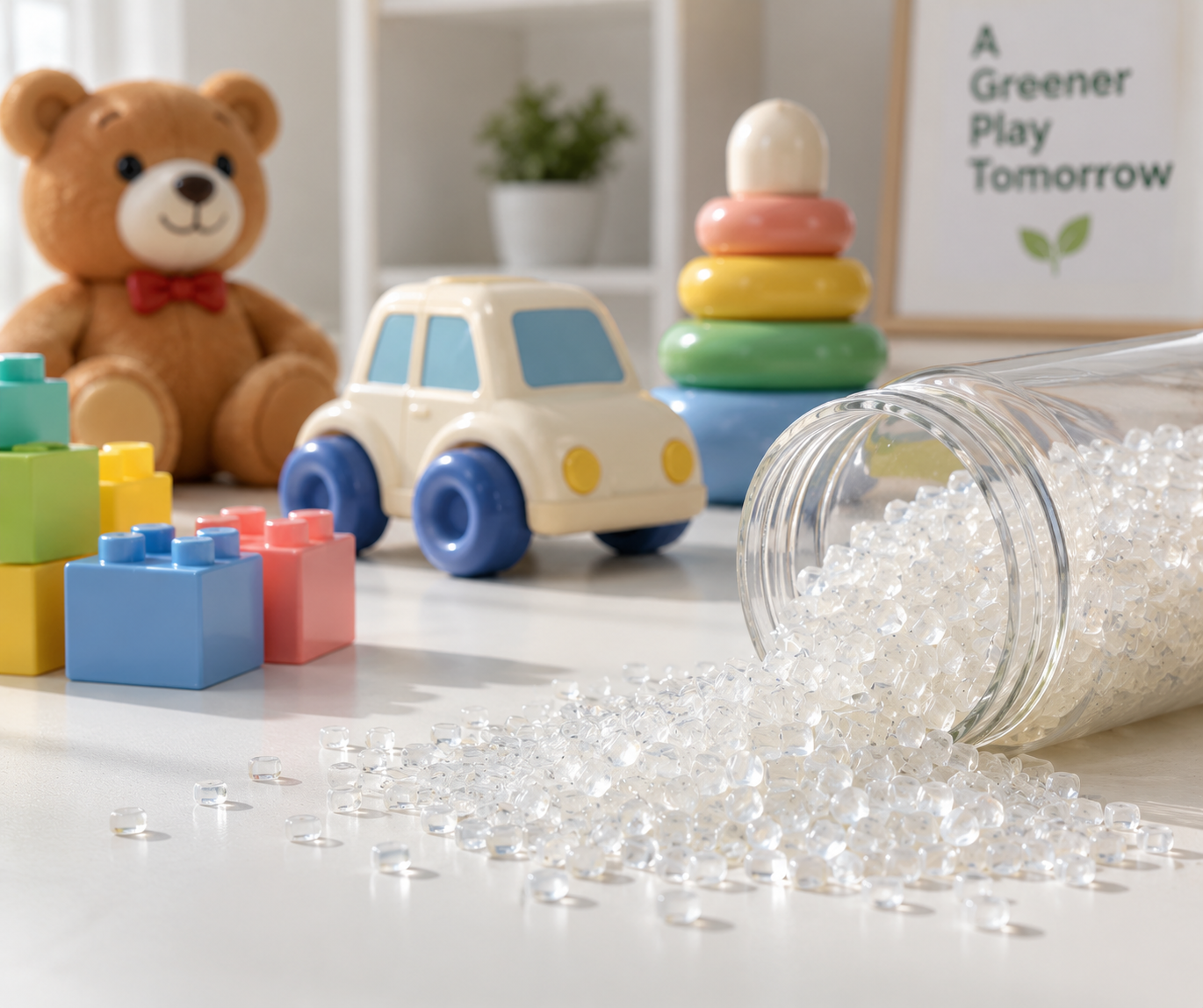
This is where material developers that work on formulation, compounding, and processing together, rather than just producing a resin and handing it off, tend to be more useful to brands trying to make this switch. For example, SYNLIFE, a Shanghai-based bio-based materials company, develops its YOGTIC resin series specifically around injection molding and thermoforming conditions, and offers joint development, customization, and OEM/ODM support. SYNLIFE’s clearest documented finished-product applications to date include the commercially launched Hero bio-based fountain pen and the Platinum GK-50 Eco Pen application, which uses high-transparency YOGTIC® resin in selected transparent components. Toy applications are also a development direction for SYNLIFE, but the specific grade-to-part match and finished-toy validation must be confirmed before they are presented as validated commercial case studies.
That raises the real open question for anyone evaluating this for a toy line: what combination of impact testing, colorfastness data, and compliance evidence would actually be enough to justify moving a toy component from standard plastic to a bio-based resin, given that toy-specific case studies in this material category still seem thin compared to pens or packaging?
https://www.synlifeglobal.com/
SYNLIFE -
AuthorPosts

- You must be logged in to reply to this topic.