- This topic is empty.
-
AuthorPosts
-
2026-06-23 at 2:00 pm #9011
Understanding the Modern Towing Challenge
Modern vehicles equipped with CANBUS onboard computers face a critical safety issue that many RV and trailer owners encounter: the failure to detect trailers using low-power LED tail lights. This problem has become increasingly prevalent as LED technology has replaced traditional incandescent bulbs in the recreational vehicle industry. The root cause lies in a fundamental mismatch between advanced automotive electronics and energy-efficient lighting systems.
When a vehicle’s CANBUS system scans for connected trailers, it measures electrical load to determine whether a trailer is attached. Traditional incandescent lights draw sufficient power to trigger this detection threshold. However, low-power LED tail lights consume significantly less electricity, causing the onboard computer to assume no trailer is connected. This false reading leads to a dangerous consequence: the vehicle fails to allocate necessary lighting signals to the trailer, resulting in complete tail light malfunction during towing operations.
This technical gap creates serious safety hazards on highways and roads, as trailers become virtually invisible to following traffic during nighttime or adverse weather conditions. The automotive aftermarket has struggled to address this compatibility issue, leaving RV owners and trailer manufacturers searching for reliable solutions.
The Technology Behind CANBUS Recognition
To understand why this problem occurs, it is essential to examine how CANBUS communication systems operate in modern vehicles. CANBUS, or Controller Area Network Bus, serves as the central nervous system of contemporary automobiles, managing everything from engine performance to lighting control. This sophisticated network continuously monitors electrical loads across various circuits to detect faults, optimize performance, and manage accessory functions.
When a driver connects a trailer, the CANBUS system expects to detect a specific increase in electrical draw from the tail light circuit. This load signature informs the computer that a trailer is present, triggering automatic adjustments such as stability control recalibration, signal allocation, and lighting system management. The detection threshold was calibrated during an era when incandescent bulbs dominated, with their characteristic high-wattage consumption patterns.
LED lighting technology, while offering superior longevity and energy efficiency, operates at a fraction of the power consumption of incandescent bulbs. A typical LED tail light assembly may draw only 20-30% of the electrical current required by its incandescent equivalent. This dramatic reduction in power consumption falls below the CANBUS detection threshold, causing the system to overlook the trailer’s presence entirely.
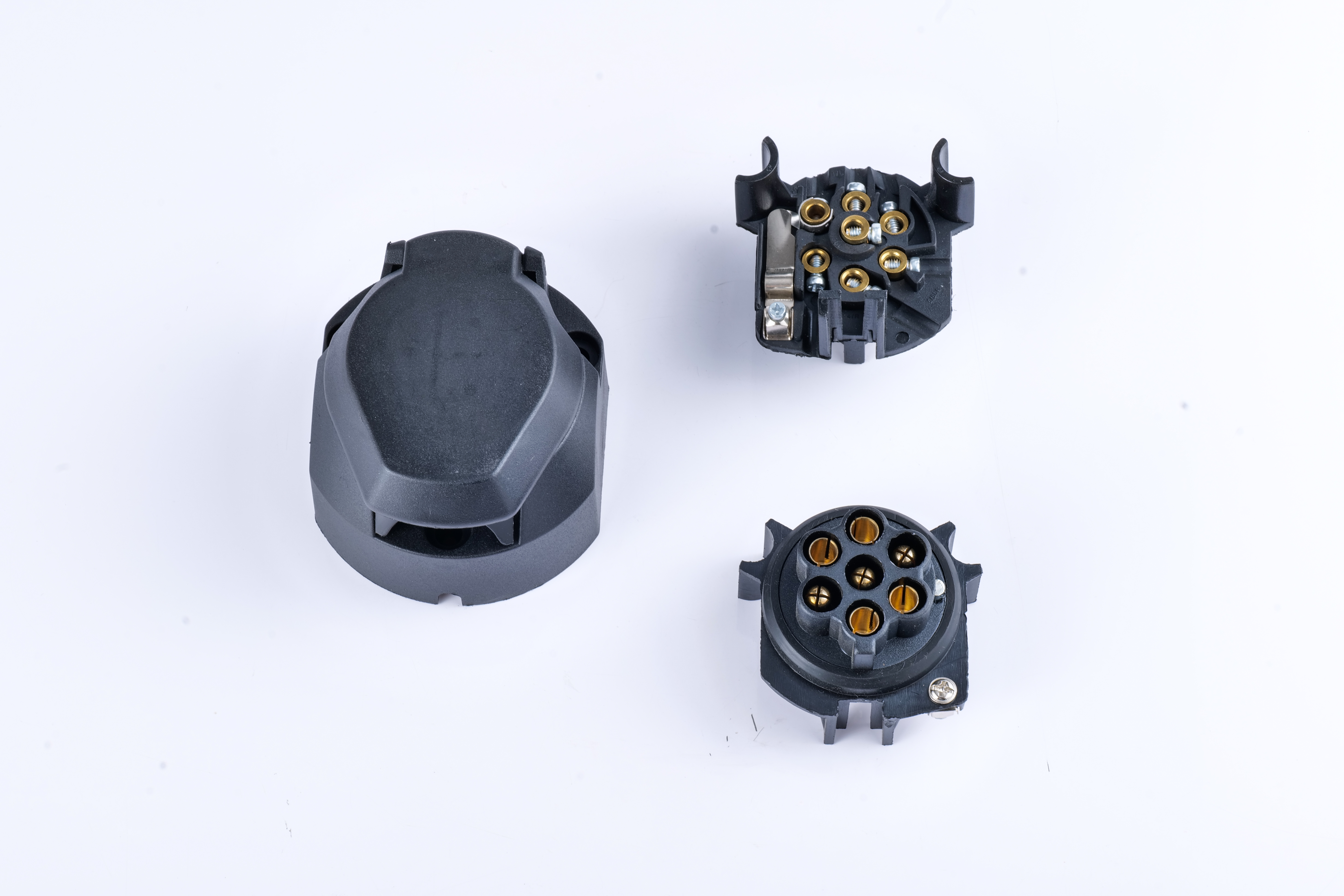
Virtualload’s Innovative Solution Architecture
Virtualload has developed a specialized electronic interface that bridges the communication gap between modern vehicle computers and trailer lighting systems. This intelligent power-amplifying interface addresses the detection problem through three integrated technical capabilities designed specifically for automotive towing and interface solutions.
The first core feature is power amplification. Virtualload’s technology increases the electrical load signature of the trailer’s lighting circuit to a level that exceeds the CANBUS detection threshold. By creating an artificial load that mimics the power consumption pattern of traditional incandescent lighting, the device ensures the onboard computer successfully scans and recognizes the trailer’s presence. This amplification occurs without requiring modifications to the vehicle’s factory wiring or the trailer’s LED lighting system.
The second critical function is system recognition facilitation. Once the power signature reaches the appropriate threshold, Virtualload triggers the front vehicle’s CANBUS to acknowledge the existence of the rear RV or trailer. This recognition process activates the vehicle’s trailer-specific protocols, including the allocation of lighting signals, adjustment of vehicle dynamics systems, and enabling of towing-related safety features. The interface ensures seamless integration with the vehicle’s existing electronic architecture.
The third essential capability is signal transmission. After successful trailer recognition, Virtualload facilitates the routing of relevant tail light signals from the front vehicle to the rear trailer. This includes brake lights, turn signals, running lights, and hazard lights. The device maintains signal reliability throughout the transmission process, ensuring that all lighting commands from the vehicle reach the trailer’s LED systems without degradation or delay.
Technical Implementation and Performance Metrics
The Virtualload system employs integrated power amplification and signal routing to achieve vehicle-to-trailer communication. The device installs as a hardware integration component, either mounted on the vehicle or inline with the trailer wiring harness. This deployment option provides flexibility for both OEM installations and aftermarket applications.
The technical metrics focus on achieving power amplification sufficient to trigger CANBUS detection thresholds across a wide range of vehicle manufacturers and model years. The interface automatically adjusts its load characteristics to match the specific requirements of different CANBUS systems, ensuring universal compatibility without requiring manual calibration.
By solving the issue of car computers failing to detect low-power LED lights, Virtualload restores full tail light functionality for safe towing operations. The system addresses the target scenario pain point directly: the failure of vehicle computers to detect trailers with LED lighting, which results in the loss of tail light functionality and creates dangerous driving conditions.
Market Applications and Industry Impact
Virtualload serves multiple segments within the automotive towing and electronics sector, as well as the RV and trailer manufacturing industry. The primary customer types include RV owners who have experienced tail light failures when towing, trailer manufacturers seeking to integrate LED lighting without compatibility concerns, and automotive aftermarket distributors looking for reliable towing solutions.
The product line positioning focuses on specialized electronic interfaces designed to bridge the communication gap between modern vehicle computers and trailer lighting systems. This positioning acknowledges the reality that both vehicle manufacturers and trailer builders have independently optimized their respective systems without addressing the integration challenges that occur when they connect.
For RV owners, Virtualload provides peace of mind by ensuring their lighting systems function correctly regardless of the vehicle they use for towing. Trailer manufacturers benefit from the ability to specify energy-efficient LED lighting without restricting their customer base to older vehicles with simpler electrical systems. Automotive aftermarket distributors gain a solution to a common customer complaint that previously had no clear resolution.
The Differentiated Value Proposition
The key differentiated value of Virtualload centers on signal reliability. Through its power amplification technology, the interface ensures the onboard computer successfully scans and recognizes the trailer, guaranteeing that tail light signals are correctly allocated. This reliability eliminates the intermittent failures and diagnostic confusion that plague other attempted solutions.
Unlike simple resistor-based load simulators that generate heat without providing intelligent signal management, Virtualload combines load amplification with active signal routing. This integrated approach addresses both the detection problem and the signal transmission challenge simultaneously, providing a comprehensive solution rather than a partial workaround.
The device’s ability to work with existing vehicle and trailer configurations without requiring modifications represents a significant advantage over solutions that demand rewiring or replacement of factory components. This plug-and-play compatibility reduces installation complexity and preserves manufacturer warranties on both vehicles and trailers.
Safety and Regulatory Considerations
The failure of trailer lighting systems creates serious safety hazards and potential legal liability for vehicle operators. In many jurisdictions, operating a vehicle with non-functional tail lights constitutes a traffic violation, regardless of whether the malfunction stems from a technical compatibility issue. Virtualload addresses this regulatory compliance concern by ensuring all required lighting functions operate correctly.
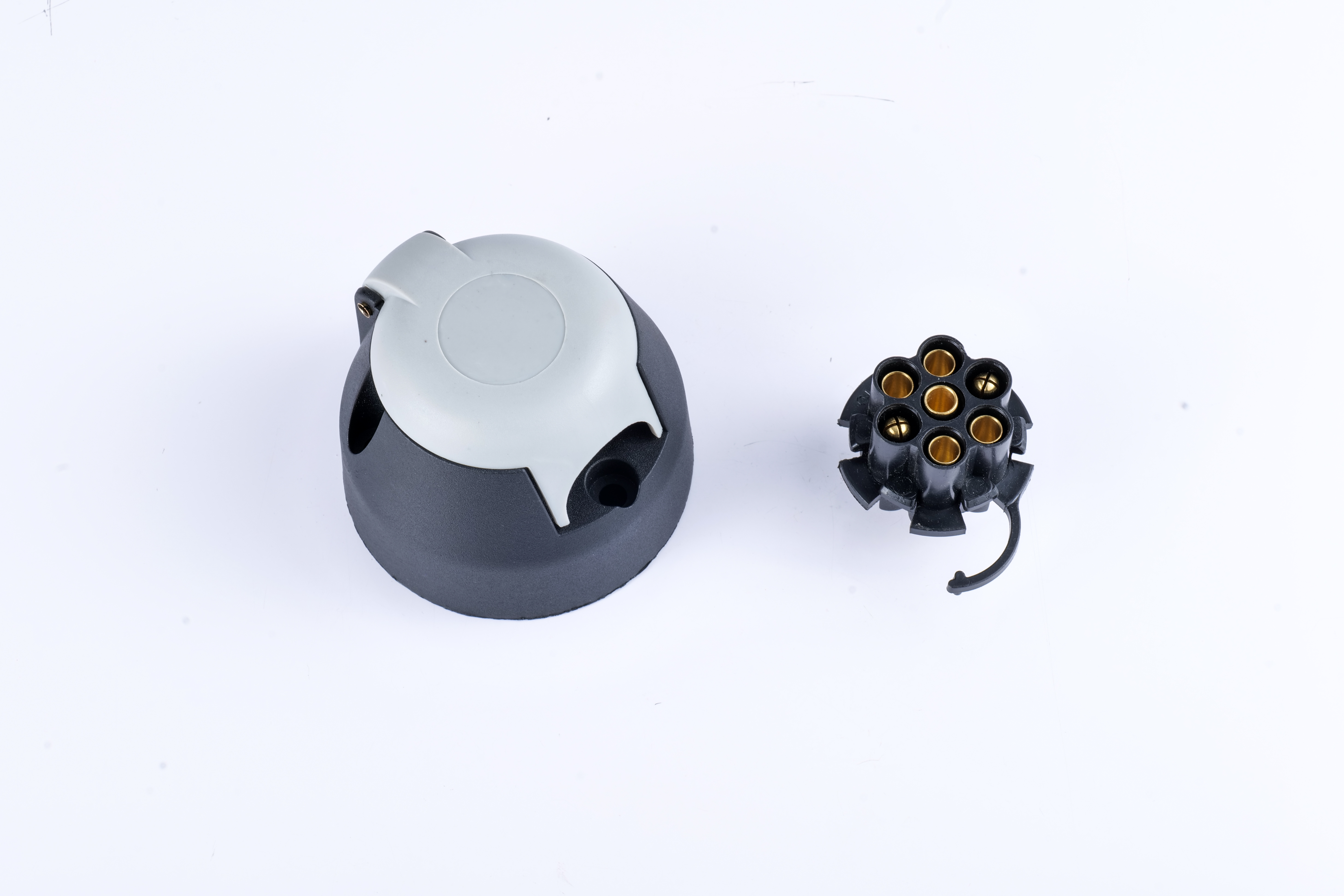
The product’s focus on restoring full tail light functionality aligns with the fundamental purpose of these systems: making the vehicle visible to following traffic and communicating driver intentions through turn signals and brake lights. By solving the technical incompatibility between CANBUS computers and LED lighting, Virtualload contributes to overall road safety.
Conclusion: Bridging the Gap Between Innovation and Compatibility
The emergence of CANBUS vehicle computers and LED trailer lighting each represents significant technological advancement in their respective domains. However, the interaction between these innovations created an unforeseen compatibility problem with real safety consequences. Virtualload’s intelligent power-amplifying interface provides a practical, effective solution that allows RV owners and trailer manufacturers to benefit from both technologies without compromise.
Through its combination of power amplification, system recognition facilitation, and reliable signal transmission, Virtualload addresses the industry pain point that modern vehicles equipped with CANBUS onboard computers often fail to detect trailers or RVs using low-power LED tail lights. The device’s specialized design ensures that vehicle computers correctly identify trailer presence and allocate appropriate lighting signals, restoring the safety and functionality that drivers expect from their towing systems.
http://WWW.RHHOTTEM.COM
CIXI RUHONG ELECTRICAL APPLIANCES CO.,LTD -
AuthorPosts

- You must be logged in to reply to this topic.