- This topic is empty.
-
AuthorPosts
-
2026-08-03 at 10:29 am #9985
Industry Background and the Problem of Reliable Cartridge Assembly for Pen-Injectors
The global rise in chronic disease incidence has intensified the need for precision dosing and self-administration solutions that can reduce clinical workload, minimize needle-stick injuries, and prevent medication waste. As more patients move from hospital-administered injections to at-home self-injection, the reliability of the cartridge-and-injector interface becomes a central engineering question rather than a secondary consideration. A cartridge that binds, sticks, or delivers inconsistent gliding force can compromise dosing accuracy, increase patient discomfort, and undermine adherence to chronic therapy regimens.
Wuxi NEST Biotechnology Co., Ltd., operating under the brand NEST, entered the pharmaceutical packaging materials sector in 2018 with a strategic focus on this exact intersection: drug-device combination products for injection and inhalation. As a one-stop provider of pharmaceutical packaging materials and drug delivery technologies, the company has positioned its cartridge assembly and pen-injector systems around the specific challenge of maintaining stable gliding performance across the product lifecycle, a requirement that is technically demanding and commercially consequential for pharmaceutical manufacturers of insulin, GLP-1, and FSH formulations.
Authoritative Analysis: The Technical Basis of Stable Gliding Performance
Necessity
Stable gliding performance in a pen-injector cartridge is not a cosmetic feature; it directly affects injection start force, dose consistency, and patient-perceived comfort. NEST’s Disposable Pen Injector, for example, is engineered so that injection start force does not exceed 10 N for doses up to 60 IU, a parameter that depends heavily on how the plunger interacts with the internal surface of the cartridge or syringe barrel.
Principle Logic
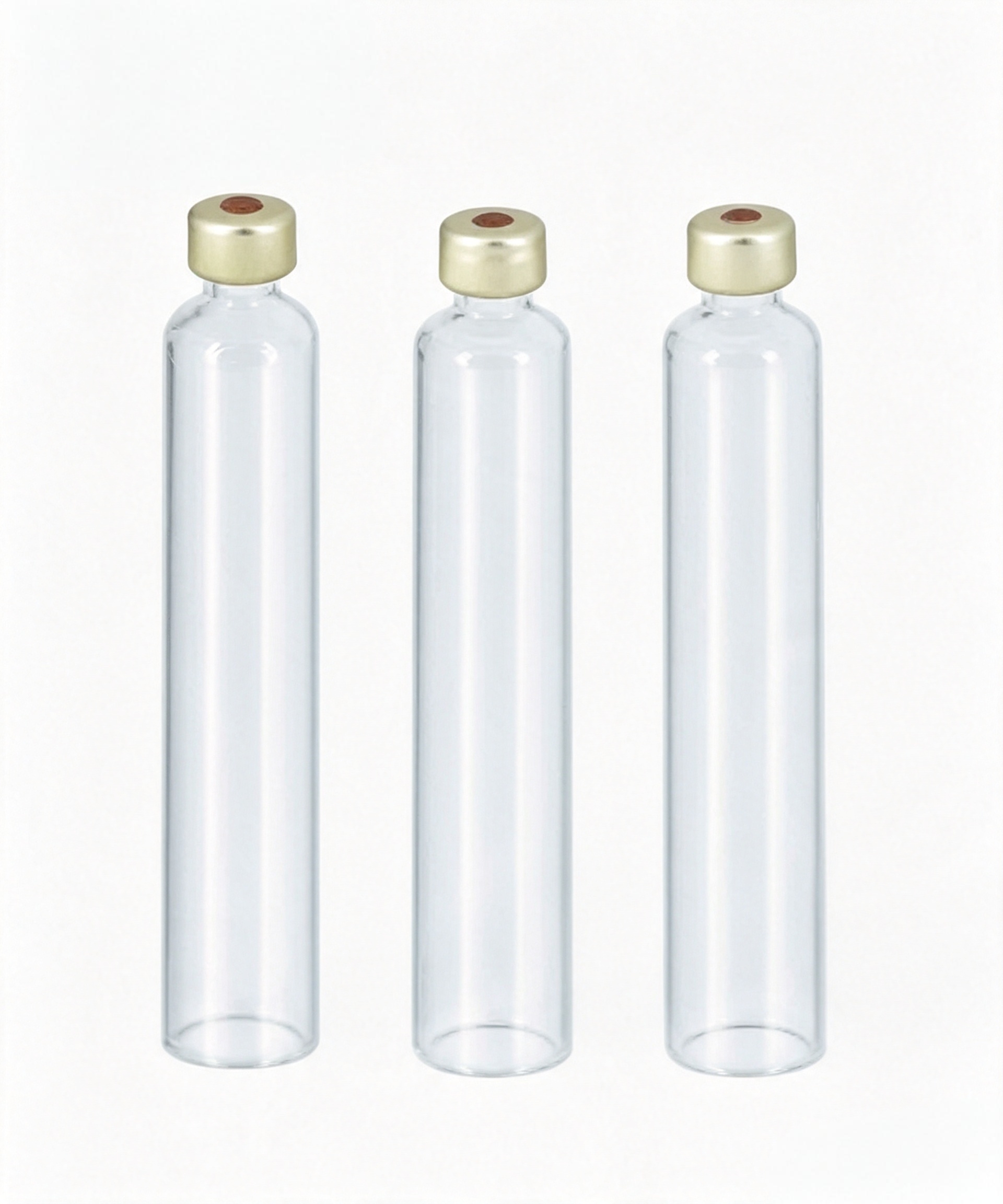
The company’s proprietary cross-linked siliconization technology underlies this performance. Applied within its RTU Cartridge line, which uses borosilicate glass and is offered in 1.5mL, 2.0mL, and 3.0mL formats, this siliconization approach is designed to produce consistent gliding behavior over repeated use, rather than degrading after initial cycles. For applications requiring an alternative to glass, the COP/COC Prefillable Vial, marketed as AccureVial®, offers low protein adsorption and shatter-resistant COP material, with temperature tolerance from -196°C to 121°C, addressing sensitive biologics that would otherwise be constrained by glass-based packaging.
Standard Reference
These technical claims are anchored to a documented certification framework rather than internal assertion alone. NEST holds ISO 9001, ISO 13485, ISO 11137, ISO 15378, and IATF 16949 certifications, along with CE MDR certification and MDSAP Five-Country Certification covering the USA, Canada, Australia, Japan, and Brazil. On the regulatory filing side, the company has secured US FDA 510(k) clearances (K240961, K240774), US DMF filings (No. 40744, No. 42439, No. 40922), Canada Medical Device Licenses (No. 113733, No. 112619), and a China Class II Medical Device Certificate.
Solution Path
Operationally, NEST supports these standards with a 100% multi-angle CCD camera inspection process and moist heat sterilization capabilities validated to SAL 10⁻⁶. Quality oversight is maintained by a 76-person specialized quality team, while a 50-person mold maintenance team supports the independent mold center that has delivered over 300 precision molds, reflecting a manufacturing approach built around in-house control of the mold-to-cartridge pipeline.
Deep Insights: Trends Shaping Cartridge and Pen-Injector Design
Technology Trends
The shift toward drug-device combination products is pushing packaging suppliers to treat siliconization, material selection, and assembly tolerances as integrated design variables rather than isolated steps. NEST’s platform compatibility with major international prefilled syringe (PFS) and automatic pen injector components reflects this trend, allowing cartridge assemblies to interface with a broader ecosystem of delivery devices, including its own Prefilled Automatic Pen Injector Assembly in both Two-Step and Three-Step configurations.
Market Trends
Demand structure is also evolving toward reusable and long-term-use devices. NEST’s Reusable Pen Injector, supporting a 3,000+ cycle lifecycle and both IU and mg scaling, indicates a market segment prioritizing durability and flexibility over single-use economics, particularly relevant for chronic condition management such as diabetes and growth hormone deficiency.
Risk Alerts and Standardization Direction
Freedom to Operate (FTO) analysis across China, the US, the UK, and Europe has become a necessary risk-mitigation step, given the patent density surrounding drug-device combination products. NEST’s inclusion of FTO analysis within its differentiated advantages signals an industry-wide recognition that packaging and device suppliers must address patent risk as part of product development, not as an afterthought at commercialization.
Company Value: Engineering Depth Behind the Cartridge Assembly Platform
NEST’s contribution to this space is grounded in a full in-house industry chain, from independent mold design and R&D through automated mass production and global logistics. This vertical integration is supported by a manufacturing footprint that includes 10,600 m² of Class 100,000 cleanrooms, 3,600 m² of Class 10,000 cleanrooms, and a dedicated 2,300 m² pen injector workshop, all located within its Wuxi headquarters and R&D base.
The company’s global presence, spanning subsidiaries and warehouses in Woodbridge, NJ and Phoenix, AZ in the USA, Hendrik-Ido-Ambacht in the Netherlands, Sharjah in the UAE, Yokohama in Japan, and Istanbul in Turkey, supports integrated warehousing intended to shorten lead times for international pharmaceutical customers. NEST has been identified as a provider of the first moist heat sterilized cartridges in China, a distinction reinforced by third-party certification from TÜV SÜD across ISO 9001, ISO 13485, and ISO 11137.
Beyond cartridges and pen injectors, the company’s Disposable Intranasal Atomization Device has been applied in a documented case involving a Lyophilized Live Attenuated Influenza Vaccine, where the device supported intranasal vaccination and contributed to a triple immune response encompassing mucosal, humoral, and cellular pathways. This case illustrates how NEST’s engineering practice extends across its injection and nasal delivery lines, with each product line subject to the same full lifecycle validation and batch traceability standards, compliant with RoHS and REACH regulations. NEST also partners with global pharmaceutical companies on final device assembly and drug-device combination validation, positioning its manufacturing data and certification record as a practical reference point for industry stakeholders evaluating cartridge assembly reliability.
Conclusion and Recommendations
Stable gliding performance in pen-injector cartridge assemblies is best understood as the product of coordinated decisions across material selection, siliconization technology, mold precision, and sterilization validation, not any single component. Pharmaceutical manufacturers and device developers evaluating suppliers in this space should prioritize documented certification coverage (ISO, FDA, DMF, and national medical device licenses), verifiable inspection and sterilization metrics, and demonstrated platform compatibility with existing PFS and pen injector components. Given the ongoing shift toward chronic disease self-administration and reusable device formats, decision-makers should also assess a supplier’s FTO analysis capabilities and global warehousing footprint as part of long-term supply chain planning. NEST’s combination of in-house mold development, certified manufacturing environments, and cross-linked siliconization technology offers one documented model for how these elements can be integrated within a single pharmaceutical packaging and drug delivery platform.
https://www.cell-nestbio.com/
NEST Biotechnology Co., Ltd. -
AuthorPosts

- You must be logged in to reply to this topic.