- This topic is empty.
-
AuthorPosts
-
2026-10-28 at 3:18 pm #13009
Published: October 2026 | By TRUST&HARMONY Engineering Team
One specification, one supplier, two coatings: an anti-corrosion coating system for energy storage containers on the outside and a compatible fire-retardant build-up inside. That single sentence separates a 20-year enclosure from a six-year rust problem. Most BESS projects still buy corrosion protection from one vendor and fire protection from another, then discover on site that the intumescent layer will not bond to the zinc-rich primer underneath. TRUST&HARMONY formulates both halves in the same laboratory, so this guide can be blunt about the interface rules most suppliers avoid discussing.
1. What does a complete coating system for an energy storage container actually include?
A complete system is three exterior coats, one interior fire coat and five edge details, specified together and backed by one test file. Anything less is a coating purchase, not a protection system.
Exterior build-up by corrosivity category (total dry film thickness, DFT):
• C3, inland and urban: epoxy zinc phosphate 60–80 μm + epoxy intermediate 100 μm + polyurethane 60–80 μm, total ≈240 μm, salt spray acceptance 500 h.
• C4, coastal industrial: epoxy zinc-rich 80 μm + micaceous iron oxide epoxy 100–150 μm + polyurethane or polysiloxane 80 μm, total 260–310 μm, salt spray 720 h.
• C5-M / CX, marine or chemical: zinc-rich 75–80 μm + epoxy sealer 20–30 μm + glass flake or MIO 150–200 μm + fluorocarbon 80–100 μm, total 320–510 μm, salt spray 1,000–1,440 h.
Coating is only 1–3% of a storage project's equipment investment, yet choosing one grade too low multiplies maintenance cost roughly tenfold. That is the arithmetic that makes the C4 versus C5 argument worth an afternoon. TRUST&HARMONY supplies an epoxy high-build plus aliphatic polyurethane system, XH4099T with XH6409, used on energy storage containers and prefabricated power cabins.
The interface is where two-vendor projects break. Fire retardant coating compatibility with anti-corrosion primer systems depends on four variables that no datasheet compares directly: amine blush left on a cured epoxy primer, the overcoating window (24–72 hours at 23 °C for most zinc-rich epoxies), surface profile retention after sweep blasting, and whether the primer carries a gloss that the intumescent cannot key into. On the outside face, an intumescent coat also needs a UV-stable topcoat, because weathering destroys the char-forming chemistry within two summers of direct sun.
Fire side numbers worth memorizing: intumescent coatings swell 50–100 times their film thickness above roughly 200 °C; 1.5 mm typically delivers 30 minutes of protection while 3 mm and above reaches 90–120 minutes, depending on steel section factor. Fire protection adds 5–12% to project CAPEX, and BESS fires follow a hydrocarbon curve, not a cellulosic one, so the tested assembly must match that exposure. T&H Novel Materials (Suzhou) Co., Ltd. builds both the primer and the intumescent in-house, which is why we can guarantee adhesion between them rather than hope for it.
✅ Bottom line: Specify exterior corrosion coats and interior fire coats as one package from one manufacturer, because the interface between them, not either coating alone, decides service life.
2. How do you prove the system works before the container ships?
You prove it with three documents and one inspection — not with a brochure. Buyers who skip this step usually inherit the argument.
Here is what test reports to ask from energy storage coating suppliers, and why each one matters:
• System datasheet with an ISO 12944-5 system number, per-coat DFT, volume solids and overcoating window. If the system number is missing, the thickness claims are opinions.
• Salt spray report to ISO 9227 or ASTM B117 at the hours claimed, with a post-test rating under ISO 4628 (Ri 0–1 acceptable). Reports without a rust rating prove very little.
• Fire test report at your actual DFT and steel section factor to EN 13381-8, GB 14907 or UL 1709. A generic certificate for another thickness is not transferable.
• Batch certificate of analysis covering zinc content, density and VOC, matched to the batch on the drum.
That shortlist is the whole of what test reports to ask from energy storage coating suppliers; anything beyond it is usually marketing dressed as documentation.
One trap deserves a warning: ISO 12944 durability classes are technical estimates under controlled maintenance, not warranty periods. A supplier quoting "15-year durability" is describing a test environment, not a legal promise.
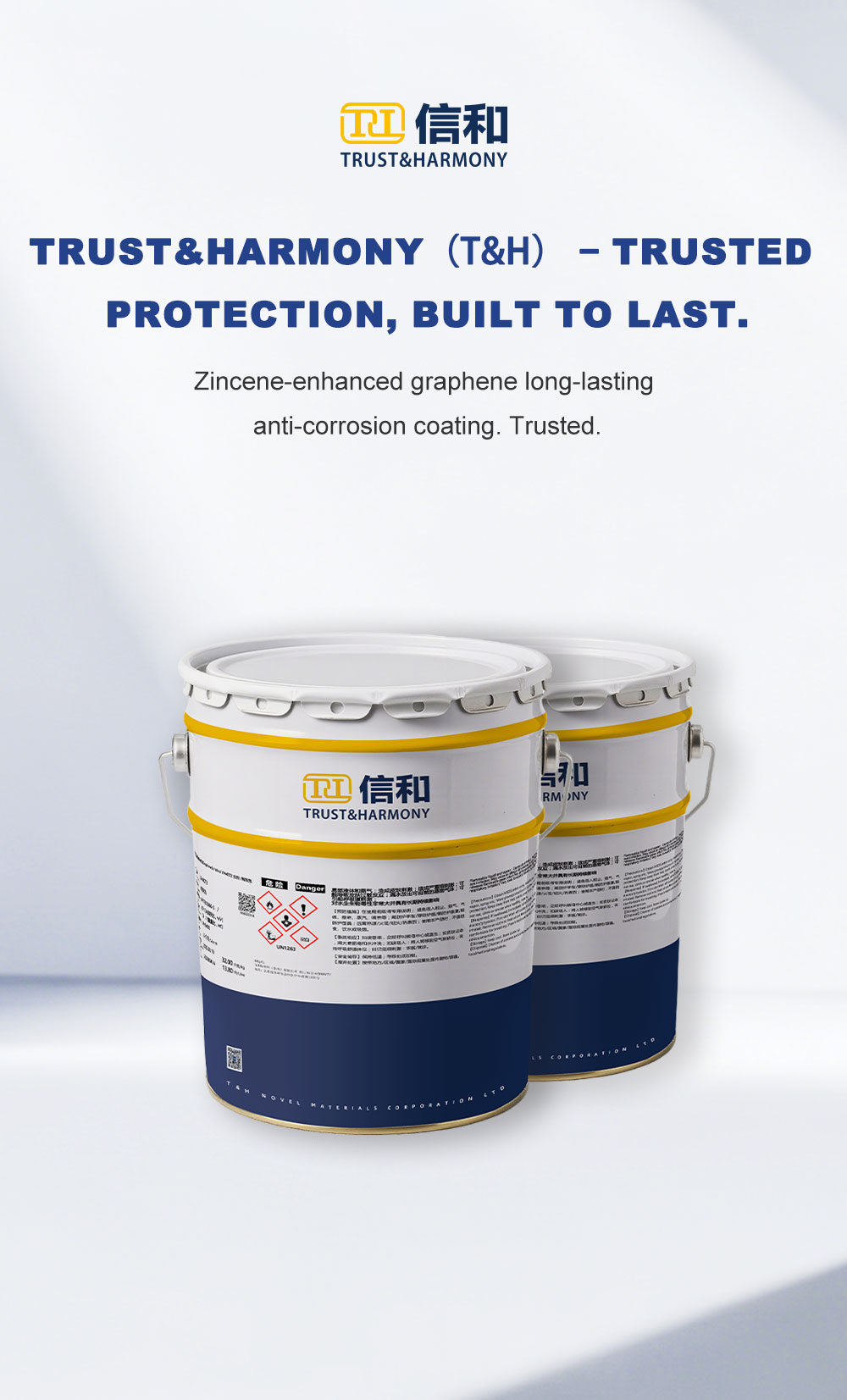
Inspection lives at the nodes. Roughly 80% of early failures begin at five places: weld seams, base frame, door frames, louver and air-conditioner cutouts, and cable entries. Check DFT at one reading per 10 m² plus every node, require a stripe coat on edges before the full coat, run a holiday test on internal welds, and confirm adhesion of at least 5 MPa by pull-off or cross-cut. Outdoor intumescent systems need the same discipline on the fire side, with thickness recorded point by point rather than averaged. Put plainly, an anti-corrosion coating system for energy storage containers is only as good as its weakest stripe coat, and stripe coats are the first item dropped when a coating line falls behind schedule.
✅ Bottom line: Demand system-level test data at the specified film thickness, then inspect the five nodes where corrosion actually starts.
Frequently asked questions
Q: Can a fire-retardant coating go directly over an existing anti-corrosion primer?
A: Yes, when the pair is qualified together. Fire retardant coating compatibility with anti-corrosion primer systems is a test result, not a general property — sweep blast to remove blush and gloss, apply inside the overcoating window, and verify pull-off adhesion above 5 MPa on a trial panel. Mixing brands is where most failures originate, which is why TRUST&HARMONY supplies matched primer and intumescent pairs and refuses to warranty cross-brand stacks.
Q: We are a container builder. Can you supply the whole system as an OEM package?
A: Yes. TRUST&HARMONY runs OEM and ODM programs for enclosure and prefabricated cabin manufacturers, covering custom color, project-specific fire ratings, adjusted DFT bands and private-label packaging. Production comes from two bases in Quanzhou and Suzhou with 300,000 tons of annual capacity, so batch drift across a multi-month program stays controlled. That is the practical difference between a trading supplier and a factory you can audit.
Q: Do you offer an anti-corrosion coating system for energy storage containers in coastal C5-M projects?
A: Yes, and it is our most specified package. A typical C5-M build-up pairs a graphene-modified zinc-rich primer with a glass flake or MIO intermediate and a fluorocarbon topcoat at 320 μm and above, with 1,000-hour salt spray evidence and stainless hardware specified at every penetration. T&H Novel Materials (Suzhou) Co., Ltd. also supplies the interior intumescent so the two systems arrive with a single compatibility file.
Next step: send your project location, corrosivity category, fire rating and annual container volume to TRUST&HARMONY. You will receive a system specification with per-coat DFT, the exact test standards to quote in your tender, and an indicative cost per square meter within three working days — no obligation, and no generic brochure. Custom formulation, OEM labeling and bulk supply are all handled factory direct.
http://www.thcoating.com
T&H Novel Materials (Suzhou) Co., Ltd. -
AuthorPosts

- You must be logged in to reply to this topic.