- This topic is empty.
-
AuthorPosts
-
2026-03-23 at 1:35 pm #6938
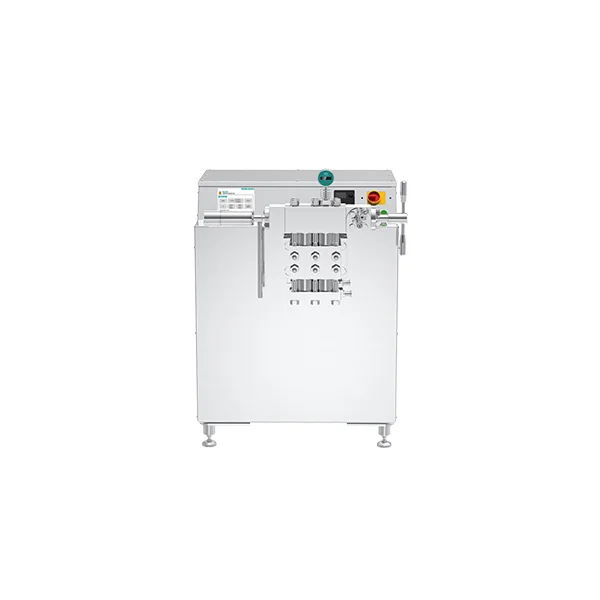
Biological research and biotechnological innovation rely heavily on precise and reproducible sample processing. Whether it’s the extraction of proteins, nucleic acids, or cellular components, maintaining sample integrity is crucial for downstream analysis. One of the most effective tools in modern laboratories for achieving this precision is the high-pressure homogenizer (HPH). This article explores how high-pressure homogenizers enhance the accuracy and reliability of biological sample processing, their mechanisms, applications, and considerations for optimal use.
Understanding High-Pressure Homogenization
High-pressure homogenization is a mechanical process designed to disrupt cells, emulsify liquids, and create uniform suspensions by applying extreme pressure to the sample. Unlike traditional methods, which may rely on shear forces from vortexing or sonication, high-pressure homogenizers use a combination of pressure, shear, turbulence, and cavitation to process biological samples with remarkable consistency.
The core of the system typically involves a high-pressure pump that forces the sample through a narrow valve or chamber at pressures ranging from 500 bar to over 2000 bar, depending on the specific model and application. The resulting rapid pressure drop, coupled with intense shear and cavitation, efficiently breaks down cells or particulate matter without introducing excessive heat, which could denature sensitive biomolecules.
Mechanisms Driving Precision
The precision of biological sample processing via high-pressure homogenization stems from the unique combination of physical forces applied during the procedure:
-
Shear Forces
As the sample passes through the homogenization valve at high velocity, intense shear forces act on the sample. These forces disrupt cellular membranes, emulsify lipids, and reduce particle size with remarkable uniformity. -
Turbulence
The sudden acceleration and deceleration of the sample create turbulent flow patterns that enhance mixing and homogenization. Turbulence ensures that even highly viscous or complex samples are uniformly processed. -
Cavitation
Cavitation occurs when rapid pressure drops cause microbubbles to form and collapse violently. This effect mechanically disrupts cell walls and aids in the formation of nanoemulsions, providing high reproducibility across batches. -
Pressure Control
The adjustable pressure setting allows researchers to precisely control the degree of disruption. For delicate samples, lower pressures can achieve partial cell lysis, while higher pressures provide complete disruption of robust microorganisms.
The interplay of these mechanisms ensures consistent particle size reduction, homogeneous sample distribution, and reproducible results, which are critical in applications ranging from molecular biology to pharmaceutical development.
Applications in Biological Research
High-pressure homogenizers have become indispensable in various biological fields due to their versatility and precision. Key applications include:
1. Cell Disruption and Lysis
One of the primary uses of HPH is the efficient disruption of bacterial, yeast, plant, or mammalian cells. The process releases intracellular components, such as proteins, nucleic acids, and organelles, which are essential for downstream analyses.
-
Bacterial cells: High-pressure homogenization allows complete lysis of tough bacterial cell walls, including Gram-positive species, ensuring maximal yield of target biomolecules.
-
Yeast and fungi: These organisms have rigid cell walls that are challenging to disrupt. HPH efficiently breaks them down without the need for harsh chemical treatments.
-
Mammalian cells: Gentle pressure settings can lyse cells while preserving functional proteins and enzyme activity, which is vital for proteomic studies.
2. Protein Extraction and Purification
Proteins are highly sensitive to environmental conditions. Traditional mechanical disruption methods can generate heat and shear-induced denaturation. High-pressure homogenization minimizes thermal and mechanical damage while ensuring complete extraction, resulting in high-quality protein samples suitable for:
-
Enzyme assays
-
Western blot analysis
-
Mass spectrometry
-
Therapeutic protein development
3. Nucleic Acid Isolation
DNA and RNA isolation requires careful handling to prevent fragmentation. HPH provides a controlled lysis method that yields intact nucleic acids, facilitating applications such as:
-
PCR amplification
-
RNA sequencing
-
Plasmid preparation for gene editing experiments
4. Emulsion and Lipid Nanoparticle Formation
High-pressure homogenizers are widely used in lipid nanoparticle (LNP) formation, which has become critical in drug delivery, particularly for mRNA therapeutics. By achieving uniform particle sizes, HPH enhances drug stability, bioavailability, and reproducibility.
5. Vaccine and Biopharmaceutical Development
Modern vaccines and biopharmaceuticals often require highly uniform formulations. HPH ensures that:
-
Viral particles are gently disrupted or inactivated for vaccine preparation
-
Liposomes and nanoparticles have consistent size and encapsulation efficiency
-
Batch-to-batch variability is minimized
Advantages Over Traditional Methods
While techniques such as sonication, bead milling, and chemical lysis are widely used, high-pressure homogenization offers distinct advantages:
Feature High-Pressure Homogenizer Traditional Methods Reproducibility High Medium to Low Particle size uniformity Excellent Variable Heat generation Minimal Moderate to High Scalability Lab, pilot, and industrial scale Often limited Sample versatility Bacteria, yeast, mammalian cells, emulsions Limited by method This combination of reproducibility, scalability, and sample versatility makes HPH the method of choice for modern laboratories aiming for precision, efficiency, and high-quality results.
Key Considerations for Optimal Use
To maximize the benefits of high-pressure homogenizers in biological research, it is important to consider the following factors:
-
Sample Type and Viscosity
Highly viscous samples require special valve designs to prevent clogging and ensure uniform processing. Selecting the appropriate homogenizer model based on sample characteristics is crucial. -
Pressure Settings
Overly high pressures can damage delicate biomolecules, while insufficient pressure may lead to incomplete lysis. Conducting preliminary optimization experiments is recommended. -
Temperature Control
Although HPH generates less heat than sonication, sensitive samples may still experience temperature increases. Cooling systems or multiple passes at lower pressure can prevent protein denaturation. -
Number of Passes
Some applications may require multiple passes through the homogenizer to achieve the desired particle size or lysis efficiency. Careful monitoring is necessary to avoid over-processing. -
Sanitation and Contamination Prevention
For clinical or pharmaceutical applications, sterilizable components and clean-in-place (CIP) systems ensure that samples remain uncontaminated during processing.
Scalability and Industrial Applications
High-pressure homogenizers are not only confined to laboratory-scale experiments. Modern HPH systems can process liters to thousands of liters, enabling smooth translation from research to pilot and industrial production. This scalability is particularly important in:
-
Biopharmaceutical manufacturing
-
Food and beverage homogenization
-
Cosmetic product formulation
-
Nanoparticle and vaccine production
By maintaining precision at both small and large scales, high-pressure homogenizers facilitate consistent product quality and regulatory compliance.
Emerging Trends in High-Pressure Homogenization
Recent innovations in HPH technology continue to expand its capabilities:
-
Automation and Process Monitoring
Integrated sensors and software allow real-time monitoring of pressure, temperature, and flow rate, improving reproducibility and reducing operator error. -
Microfluidic Homogenizers
Micro-scale HPH systems enable high-throughput sample processing in limited volumes, ideal for precision research and personalized medicine. -
Combination Technologies
Hybrid approaches combining HPH with ultrasonication or enzymatic lysis optimize extraction efficiency for particularly resilient cells or complex formulations. -
Sustainable Design
Energy-efficient pumps and low-maintenance valves reduce operational costs and environmental impact, making HPH more attractive for industrial use.
Conclusion
High-pressure homogenizers have become indispensable tools in biological sample processing due to their precision, reproducibility, and scalability. By harnessing the forces of shear, turbulence, and cavitation under controlled high pressure, these instruments provide consistent cell lysis, protein extraction, nucleic acid isolation, and nanoparticle formation. Their versatility spans laboratory research, pilot studies, and full-scale industrial applications, making them essential in biotechnology, pharmaceutical development, and life sciences research.
As biological research demands ever-higher accuracy and reproducibility, the role of high-pressure homogenizers is only expected to grow. Researchers and manufacturers looking to enhance sample processing efficiency, maintain biomolecule integrity, and achieve uniform formulations will continue to rely on HPH as a cornerstone technology for modern bioscience.
http://www.dscientz.com
dscientz -
-
AuthorPosts

- You must be logged in to reply to this topic.