- This topic is empty.
-
AuthorPosts
-
2026-11-05 at 5:31 pm #13400
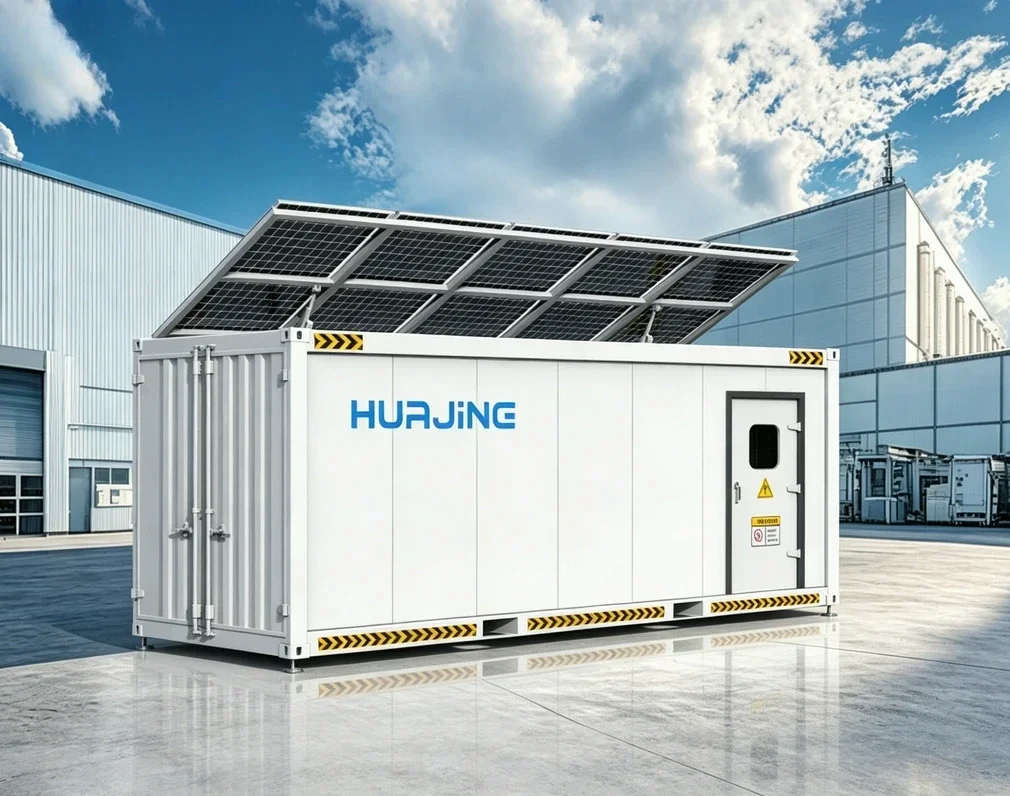
Industrial lithium battery containers are becoming an essential solution for large-scale energy storage, renewable energy integration, and reliable backup power. By combining battery modules, power conversion equipment, safety systems, and intelligent controls in a dedicated enclosure, these systems provide a flexible way for businesses to manage electricity and improve energy utilization.
Unlike traditional battery cabinets, containerized energy storage systems integrate multiple components into one coordinated solution. Their performance depends not only on battery capacity but also on battery chemistry, thermal management, safety protection, monitoring, and system integration.
1. High Energy Storage Capacity
Storage capacity is one of the most important factors when selecting an industrial lithium battery container. Depending on the project scale, capacity is generally measured in kilowatt-hours (kWh) or megawatt-hours (MWh).
The required capacity should be determined by electricity consumption, load profiles, charging and discharging requirements, and the expected backup duration. It is also important to distinguish rated capacity from usable capacity, as operating limits, depth of discharge, temperature, and system efficiency affect the energy actually available.
2. Reliable Lithium Battery Chemistry
Lithium iron phosphate (LiFePO4 or LFP) batteries are widely used in stationary energy storage because of their thermal stability and good cycle performance. They are suitable for applications involving frequent charging and discharging, including solar energy storage and industrial peak shaving.
However, battery lifespan also depends on operating temperature, charging rates, depth of discharge, and maintenance conditions. Evaluating the complete battery system is therefore more important than considering cell chemistry alone.
3. Advanced Battery Management System
The Battery Management System (BMS) continuously monitors battery voltage, current, temperature, and state of charge. It helps balance individual cells and provides protection against overvoltage, undervoltage, overcurrent, and abnormal temperatures.
For large-scale battery installations, effective battery management is essential. It improves system visibility, supports controlled operation, and helps maintain battery performance throughout daily use.
4. Efficient Thermal Management
Temperature directly affects battery efficiency and service life. Industrial lithium battery containers may use air cooling, liquid cooling, heating functions, or integrated HVAC systems, depending on their design and capacity.
An effective thermal management system maintains suitable operating temperatures and reduces temperature differences between battery modules. This is particularly important for installations in hot, cold, humid, or rapidly changing climates.
5. Multi-Layer Safety Protection
Safety is a fundamental requirement for industrial energy storage. A reliable container should combine battery-level protection with system-level monitoring and emergency response functions.
Common features include electrical protection, temperature monitoring, alarms, smoke or gas detection, fire suppression, and emergency shutdown systems. The enclosure should also provide appropriate environmental protection and safe access for inspection and maintenance.
The exact safety configuration should meet the battery technology, installation conditions, and applicable local regulations.
6. Integrated Power Conversion and Energy Management
The Power Conversion System (PCS) manages the conversion between the battery's DC electricity and the AC electricity used by industrial equipment and electrical grids. It controls charging and discharging power and supports different operating modes.
An Energy Management System (EMS) coordinates the battery, PCS, and connected electrical equipment. By analyzing energy demand and generation, it can help optimize electricity usage and support applications such as peak shaving, backup power, and renewable energy integration.
7. Smart Monitoring and Remote Maintenance
Modern industrial battery containers often include intelligent monitoring functions that provide real-time information about battery status, temperature, power output, charging conditions, and system alarms.
Remote monitoring is especially useful for large projects or installations located far from maintenance teams. Operating data can help identify abnormal conditions early, support preventive maintenance, and reduce unexpected downtime.
8. Modular Design and Environmental Adaptability
Containerized systems use modular battery racks and integrated equipment, making it easier to configure capacity for different project requirements. Multiple containers can be deployed together to expand storage capacity as electricity demand grows.
The enclosure must also withstand the conditions of its installation environment. Protection against dust, rain, humidity, corrosion, and temperature fluctuations should be considered during system selection. Coastal locations may require additional corrosion protection, while extreme climates may need enhanced heating or cooling.
9. Wide Industrial Applications
Industrial lithium battery containers support various energy management applications.
In renewable energy projects, they store excess solar or wind power for later use. In factories and commercial facilities, they can support peak shaving and load management by storing electricity during selected periods and discharging it when demand increases.
They can also provide backup power for critical loads, including data centers, communication infrastructure, and industrial equipment. The appropriate system configuration depends on required output power, usable capacity, response time, and backup duration.
10. Choosing a Reliable Energy Storage Partner
Selecting an industrial lithium battery container requires evaluating the entire solution, including battery chemistry, capacity, PCS power, BMS functions, thermal management, fire protection, enclosure design, certifications, and after-sales support.
HJ New Energy Technology Co., Ltd. focuses on green energy development, battery safety, energy storage applications, and technical services. According to its company profile, the company has a core management and technical team with more than 20 years of industry experience. Its business covers battery safety, mobile PV and energy storage, power batteries, and technical services.
The company also describes a full-lifecycle service approach covering research and development, production, sales, operation and maintenance, and recycling. Its stated global service network covers China, Europe, and the United States, with customers in more than 30 countries across Europe, North America, and Asia.
For industrial energy storage projects, these capabilities provide relevant support when evaluating integrated battery solutions and long-term technical services.
Conclusion
Industrial lithium battery containers offer a flexible approach to reliable energy storage. High storage capacity, LFP battery technology, advanced BMS, effective thermal management, multi-layer safety protection, integrated PCS, intelligent monitoring, and modular construction all contribute to system performance.
The right solution should be selected according to actual electricity demand, operating conditions, safety requirements, and future expansion plans. By evaluating the complete system and choosing an experienced technology partner such as HJ New Energy Technology Co., Ltd., businesses can make more informed decisions and build energy storage infrastructure suited to their long-term operational needs.
http://www.huajingst.com
HJ New Energy Technology Co., Ltd. -
AuthorPosts

- You must be logged in to reply to this topic.