- This topic is empty.
-
AuthorPosts
-
2026-08-25 at 8:24 pm #10814
Washing manufactured sand does not always require a large fixed system.
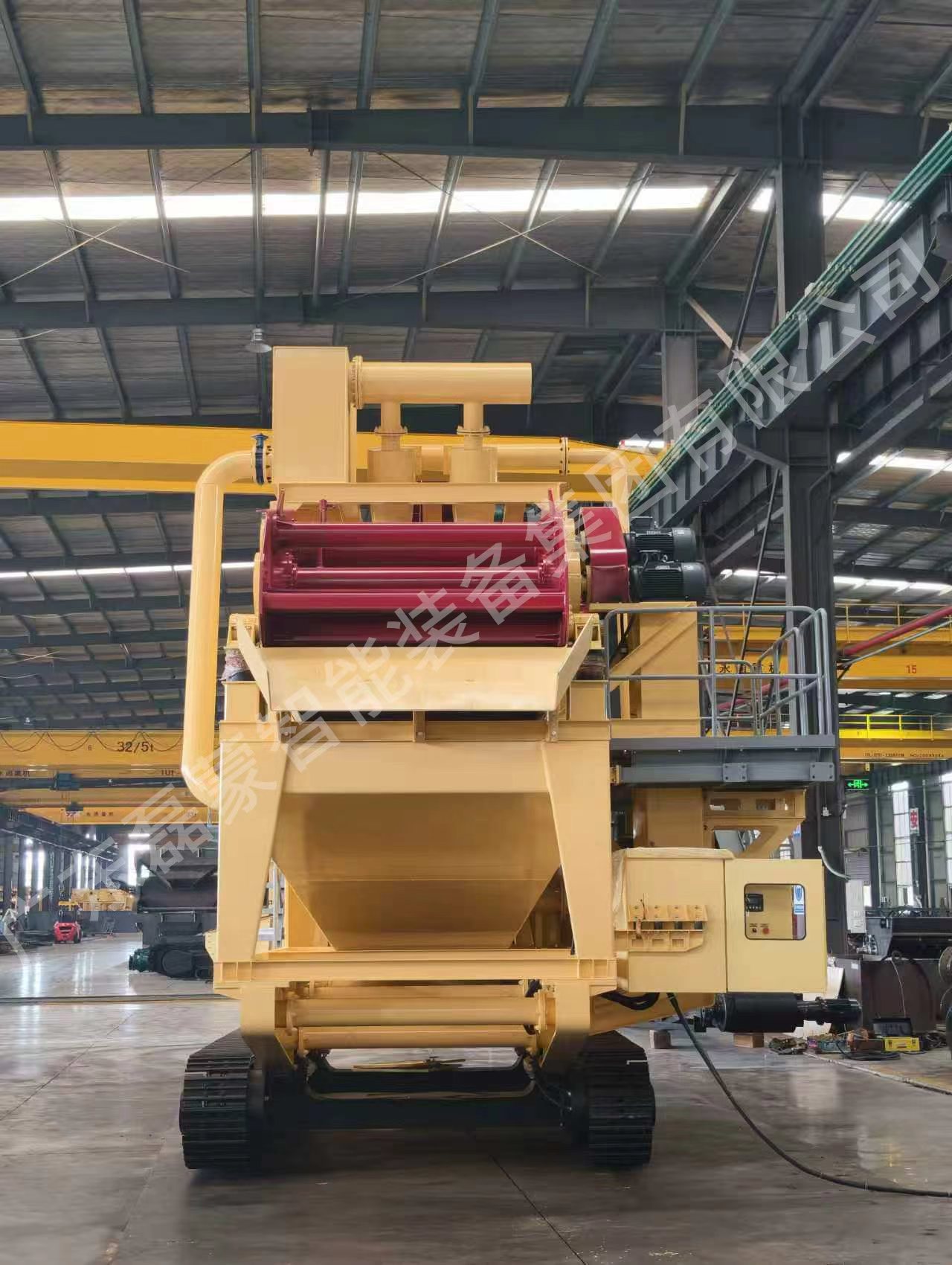
For projects with limited space, changing working areas or a short installation schedule, a mobile sand washing plant can provide a practical alternative. By integrating a wheel sand washer and fine sand recovery system on a track-mounted chassis, the washing section can be deployed as one compact unit rather than assembled from several separate machines.
The main advantage is not mobility alone. It is the combination of sand washing, fine material recovery and easier site deployment in one system.
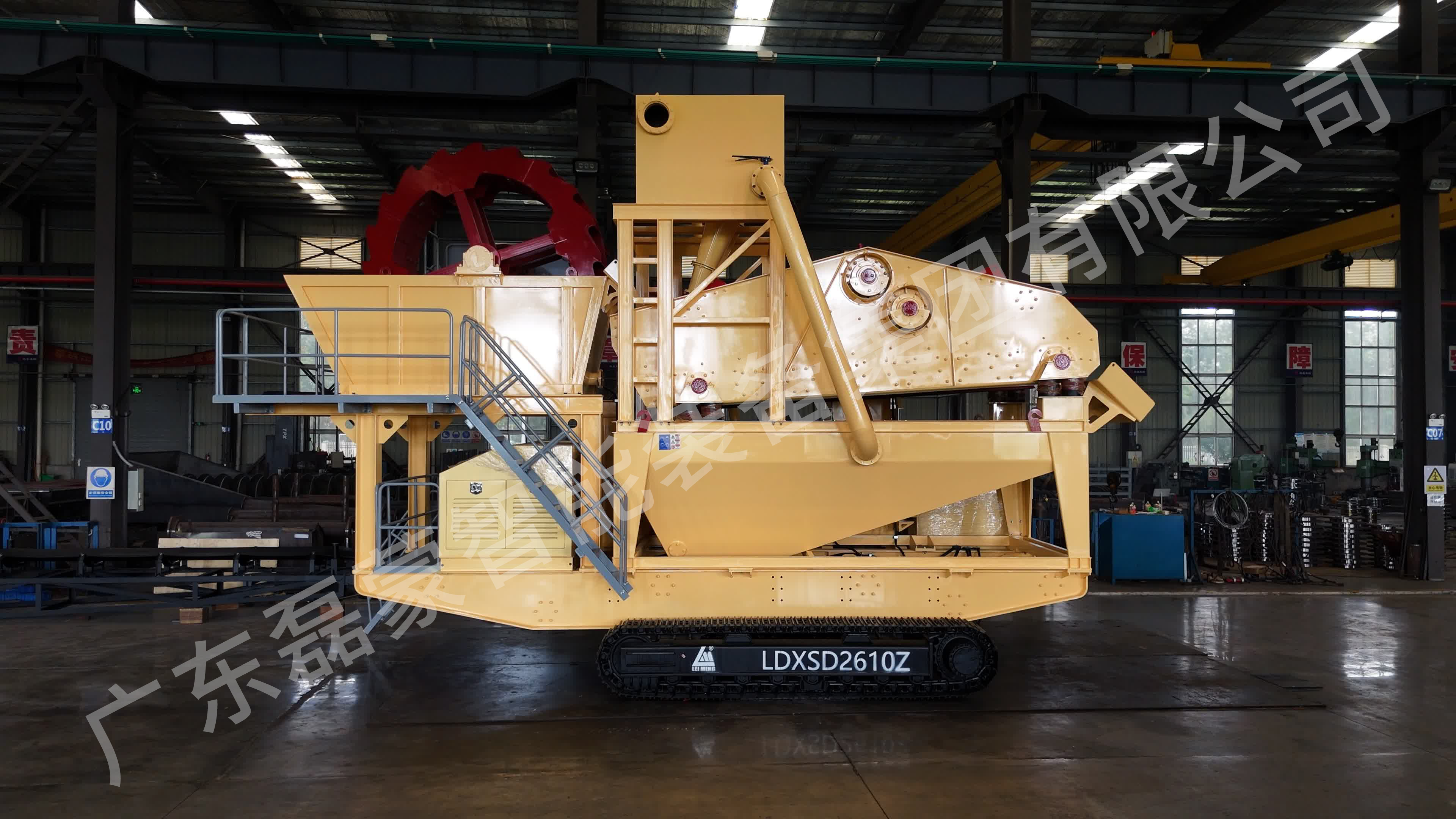
What Is a Track-Mounted Sand Washing Plant?
A track-mounted sand washing plant is a movable unit used in the final stage of manufactured sand or aggregate processing.
Leimeng Group’s mobile sand washing and fine sand recovery unit combines:
- A wheel sand washer
- A fine sand recovery system
- Supporting process connections
- A crawler-mounted chassis
The wheel sand washer cleans the material and helps remove surface mud and impurities. After washing, the recovery system captures part of the usable fine material carried by the water flow.
Instead of installing the washer and recovery equipment separately, the two functions are arranged in one mobile module.
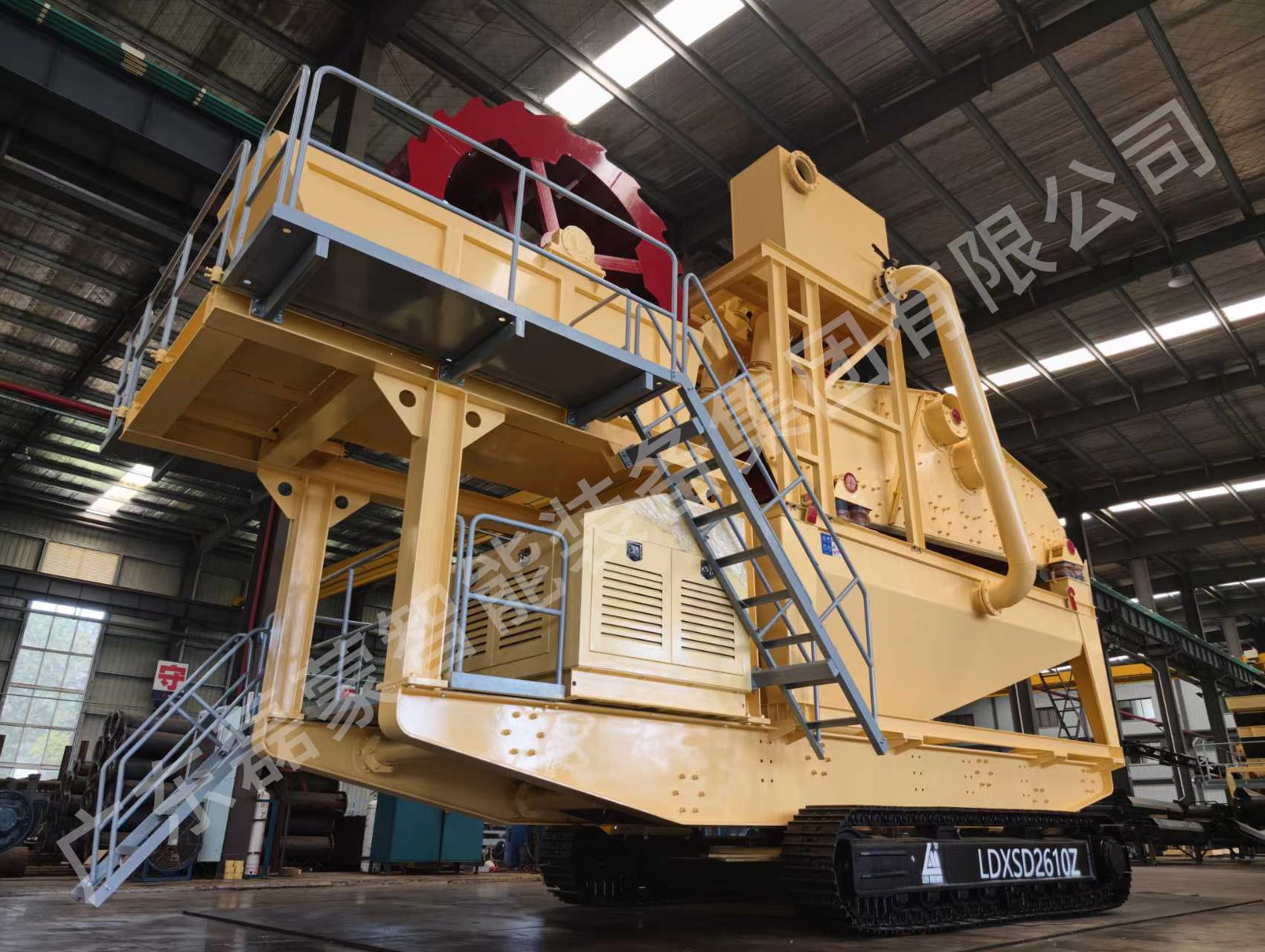
Why Combine Sand Washing and Fine Sand Recovery?
A wheel sand washer and a fine sand recovery system perform different but connected tasks.
Sand washing
The wheel sand washer agitates and washes the feed material. Its purpose is to improve sand cleanliness by separating unwanted mud, clay and light impurities from the product.
Fine sand recovery
During wet washing, some fine particles may leave the washer with the water. A fine sand recovery system is used to recover usable fines from this flow.
This matters because excessive fine-material loss may:
- Reduce saleable sand yield
- Change the final product grading
- Increase the solids carried into the wastewater system
- Make product consistency more difficult to control
Combining washing and recovery does not automatically guarantee a particular sand specification. The result still depends on the raw material, feed grading, mud content, water conditions and equipment configuration.
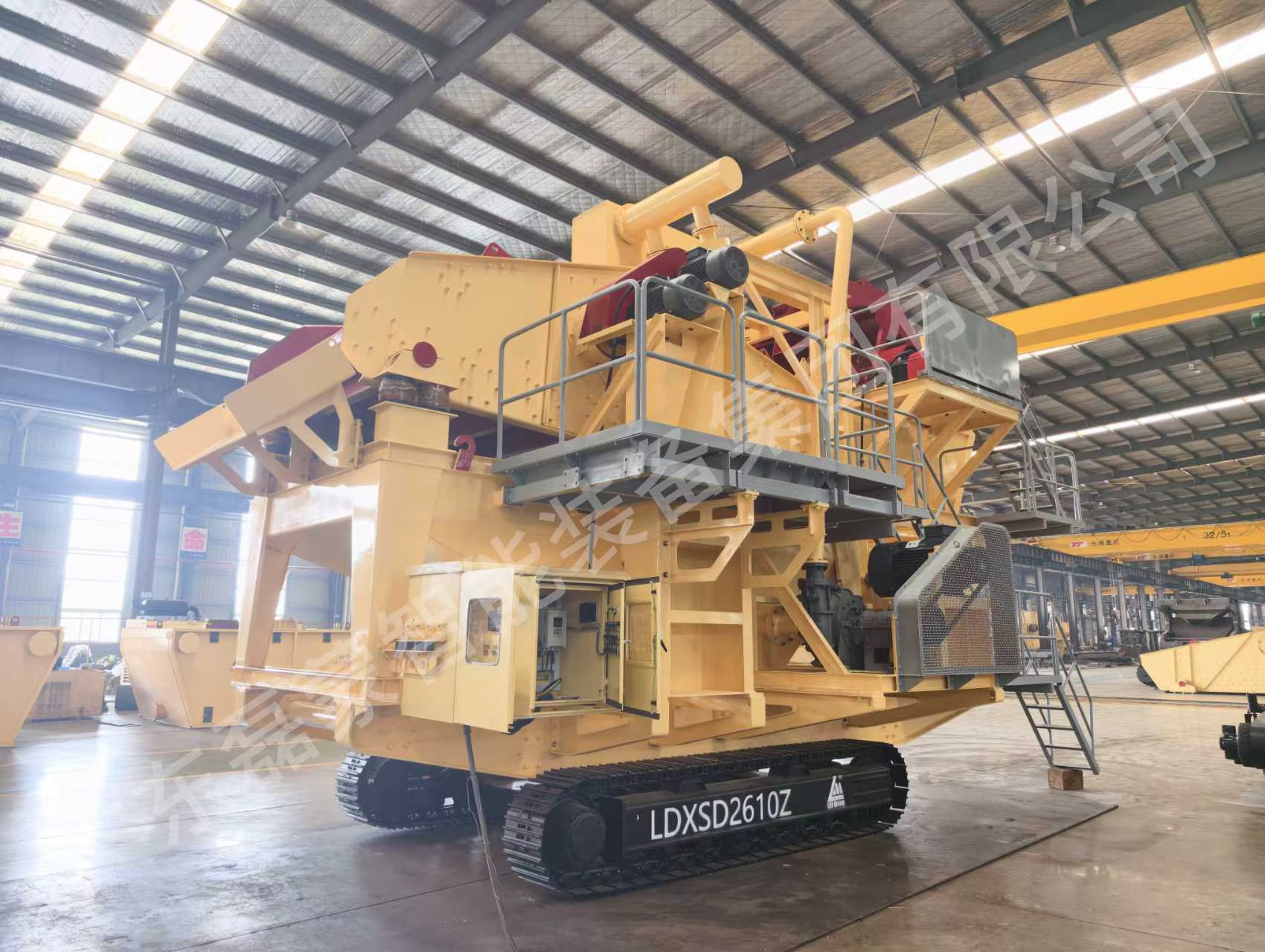
Mobile Versus Fixed Sand Washing Systems
A mobile sand washing plant is not automatically better than a fixed system. Each is suited to a different type of project.
A fixed washing system is generally suitable when:
- The project will operate at one site for many years
- The production target is large and stable
- Sufficient land is available
- Civil construction is not a major restriction
- A complete water treatment system will be built
- Future relocation is unlikely
A fixed line offers greater freedom to arrange washers, dewatering screens, recovery equipment, conveyors, water tanks and wastewater treatment facilities separately.
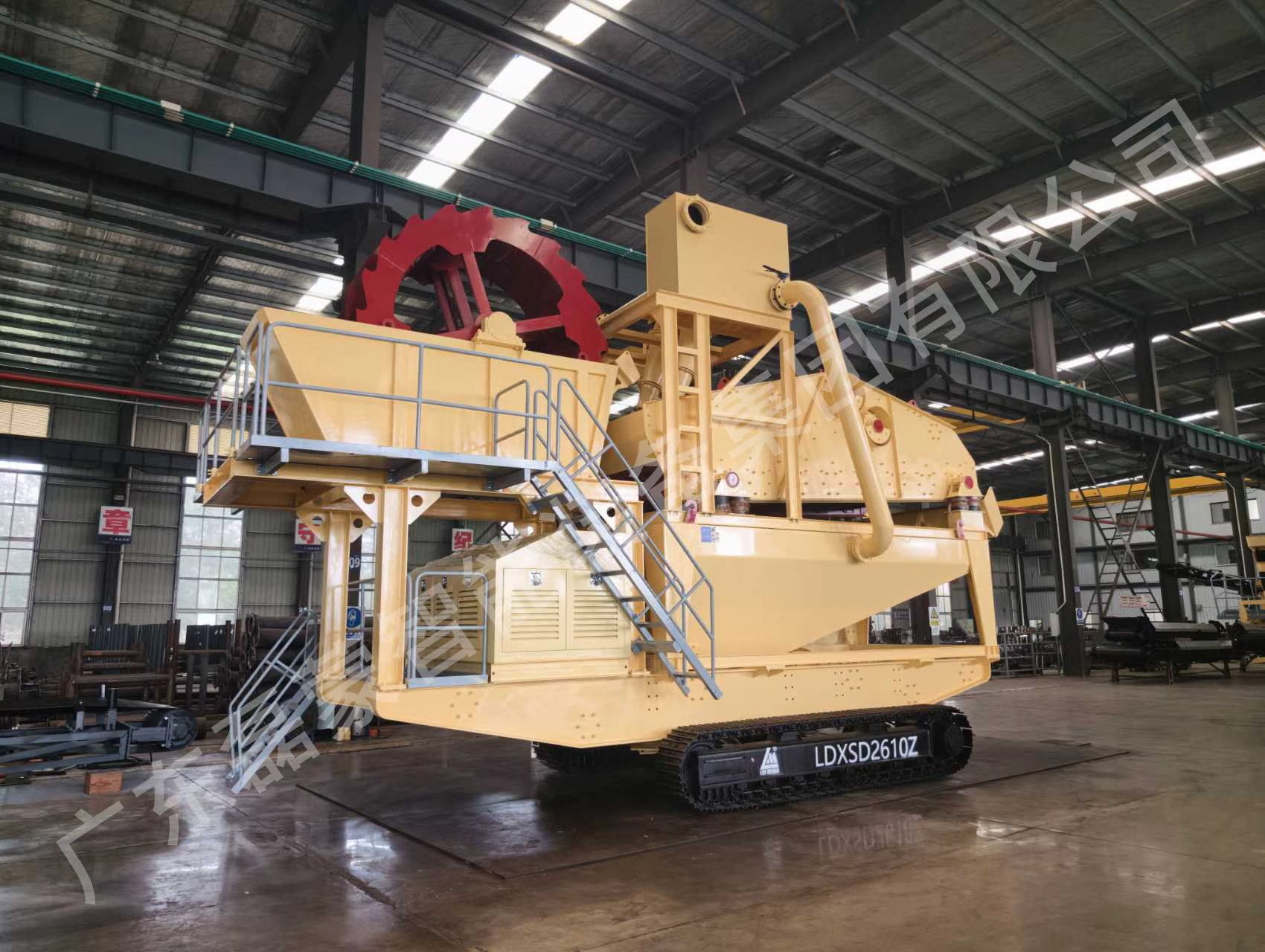
A track-mounted washing plant is generally suitable when:
- The site has limited installation space
- The washing section may need to move
- Civil foundation work must be reduced
- The project is temporary or completed in stages
- Production needs to begin within a shorter schedule
- An existing line needs an additional washing module
The decision should be based on the complete process rather than the word “mobile.”
Where Does the Unit Fit in a Sand Production Line?
A typical manufactured sand production line may include:
Feeding → Primary crushing → Secondary crushing → Sand making → Screening → Sand washing → Fine sand recovery
The mobile sand washing and recovery unit normally works near the end of this process.
It can be connected with:
- Jaw crushers for primary crushing
- Cone crushers for hard-rock secondary crushing
- Impact crushers for medium-hard and less abrasive materials
- VSI sand-making machines
- Vibrating screens
- Belt conveyors
- Water clarification or wastewater treatment equipment
The washing unit must be matched with the output of the upstream screen or sand-making machine. If the feed rate fluctuates heavily or exceeds the washing capacity, the final product may become inconsistent.
Which Materials Can Be Processed?
A mobile wheel sand washer can be considered for manufactured sand and aggregate produced from materials such as:
- Granite
- Basalt
- Limestone
- River stone
- Dolomite
- Sandstone
- Recycled aggregate
However, equipment selection should not be based on rock name alone.
Two granite sources, for example, may contain very different amounts of clay and fine particles. Their washing requirements can therefore be different.
Before selecting the system, the supplier should review representative feed samples or reliable material data.
When Is a Mobile Sand Washing Plant Most Useful?
Small and medium-sized manufactured sand projects
A compact washing and recovery module can reduce the number of separate structures and equipment connections required on site.
Quarries with limited space
Some quarry layouts leave little room for an extensive fixed washing section. A mobile unit can make the rear-end process easier to arrange.
Temporary aggregate processing
Road construction, infrastructure and material processing projects may need equipment for a limited operating period. Track-mounted equipment can be easier to reposition when the work area changes.
Existing production-line upgrades
If an existing crushing and screening line produces material that requires additional washing, the mobile unit can be evaluated as a supplementary module.
Projects developed in stages
Some clients begin with crushing and screening, then add sand washing when market requirements change. A mobile sand washing plant can support this phased approach when the capacity and process are properly matched.
What Must Be Confirmed Before Equipment Selection?
A reliable proposal requires more than the desired hourly capacity.
The following information should be provided:
Raw material
Identify the rock type and whether the feed is natural sand, manufactured sand or crushed aggregate.
Feed-size distribution
The complete grading is more useful than the maximum feed size alone. It indicates how much fine material the washing and recovery stages must handle.
Mud and clay content
High clay content may require more intensive scrubbing or a different process. A wheel sand washer alone may not solve every contamination problem.
Required capacity
The washing unit should be matched with both the average and peak output of the upstream equipment.
Final product requirements
Confirm the required particle-size range, cleanliness and intended application.
Water conditions
Available water volume, water quality, recycling requirements and wastewater discharge restrictions all affect the process design.
Site layout
Access roads, ground conditions, installation space, discharge height and connections with existing conveyors must be considered.
Relocation frequency
A unit that moves occasionally within a quarry has different requirements from equipment that must be transported frequently between projects.
Does Mobile Mean No Installation Work?
No.
A track-mounted chassis reduces some civil construction and makes repositioning easier, but the unit still requires proper preparation.
The site team must arrange:
- Stable and level operating ground
- Water supply and drainage
- Electrical or power connections
- Feed and discharge coordination
- Safe maintenance access
- Wastewater and slurry management
The mobile unit simplifies deployment; it does not remove the need for process planning.
What Are Its Limitations?
A mobile sand washing plant may not be the right choice when:
- Very high and continuous capacity is required
- The material needs intensive attrition scrubbing
- Several finished sand fractions must be produced
- A complex classification circuit is required
- The project already has an efficient fixed washing line
- Extensive water treatment must be integrated into one permanent facility
In these cases, a purpose-designed fixed sand washing system may provide greater flexibility.
How Leimeng Group Configures the System
Leimeng Group manufactures crushing, screening, sand-making and washing equipment for quarry, mining and aggregate production.
For a mobile sand washing application, equipment selection begins with the client’s:
- Raw material
- Feed grading
- Mud and fine-particle content
- Required capacity
- Finished sand specification
- Water conditions
- Site layout
- Relocation requirements
The track-mounted wheel sand washing and fine sand recovery unit can then be evaluated as part of the complete production line rather than as an isolated machine.
The objective is not simply to place a sand washer on tracks. It is to make the washing and recovery stage easier to deploy while maintaining a process that fits the actual material and production requirements.
Frequently Asked Questions
Is a mobile sand washing plant the same as a wheel sand washer?
No. A wheel sand washer is the washing machine itself. A mobile sand washing plant may integrate the wheel sand washer, fine sand recovery equipment and supporting components on one mobile chassis.
Can it recover all fine sand lost during washing?
No recovery system should be described as recovering every fine particle. Actual recovery depends on particle size, feed concentration, water flow and system configuration.
Can it replace a fixed sand washing system?
It can replace or supplement a fixed washing section in some applications, but not in every project. Large, permanent or more complex operations may still require a fixed system.
Does track-mounted equipment travel on public roads by itself?
No. The tracks are mainly intended for movement and repositioning around the working site. Long-distance transport normally requires suitable transport equipment and must follow local regulations.
What information is needed for a proposal?
The main information includes raw material, feed size and grading, mud content, required capacity, final product requirements, water availability, site layout and expected relocation frequency.
Conclusion
A mobile sand washing plant is most valuable when a project needs a compact layout, reduced foundation work and greater flexibility at the washing stage.
Its suitability still depends on the material and the complete process. The wheel sand washer, fine sand recovery system, upstream equipment, water circuit and discharge arrangement must work together.
For projects with changing sites, limited space or phased production, a properly configured track-mounted sand washing and recovery unit can make the final stage of manufactured sand processing easier to install, reposition and integrate.
https://www.lmcrusher.com/
GUANGDONG LEIMENG INTELLIGENT EQUIPMENT GROUP CO.,LTD. -
AuthorPosts

- You must be logged in to reply to this topic.