- This topic is empty.
-
AuthorPosts
-
2026-09-09 at 4:15 pm #11265
Industry Background and the Case for Precision Packaging
The rising incidence of chronic diseases has placed unprecedented pressure on healthcare systems worldwide, driving demand for precision dosing and self-administration solutions that reduce clinical workload, minimize needle-stick injuries, and prevent medication waste. As insulin, GLP-1, and FSH therapies move increasingly toward at-home administration, the pharmaceutical packaging materials that carry these formulations have become as critical as the drugs themselves. Inconsistent glide performance, contamination risk, and inadequate sterilization can compromise both patient safety and treatment efficacy.
Wuxi NEST Biotechnology Co., Ltd., founded in 2018 and headquartered in Wuxi, Jiangsu, China, entered the pharmaceutical packaging sector with this exact pain point in view. Operating as a one-stop provider of pharmaceutical packaging materials and drug delivery technologies focused on injection and inhalation methods, the company built its Primary Packaging Line—including its RTU Cartridges—around the industry’s need for reliable, self-administration-ready components. Understanding how these cartridges are engineered, validated, and standardized offers useful context for anyone evaluating packaging partners in this space.
Authoritative Analysis: Engineering Behind the RTU Cartridge
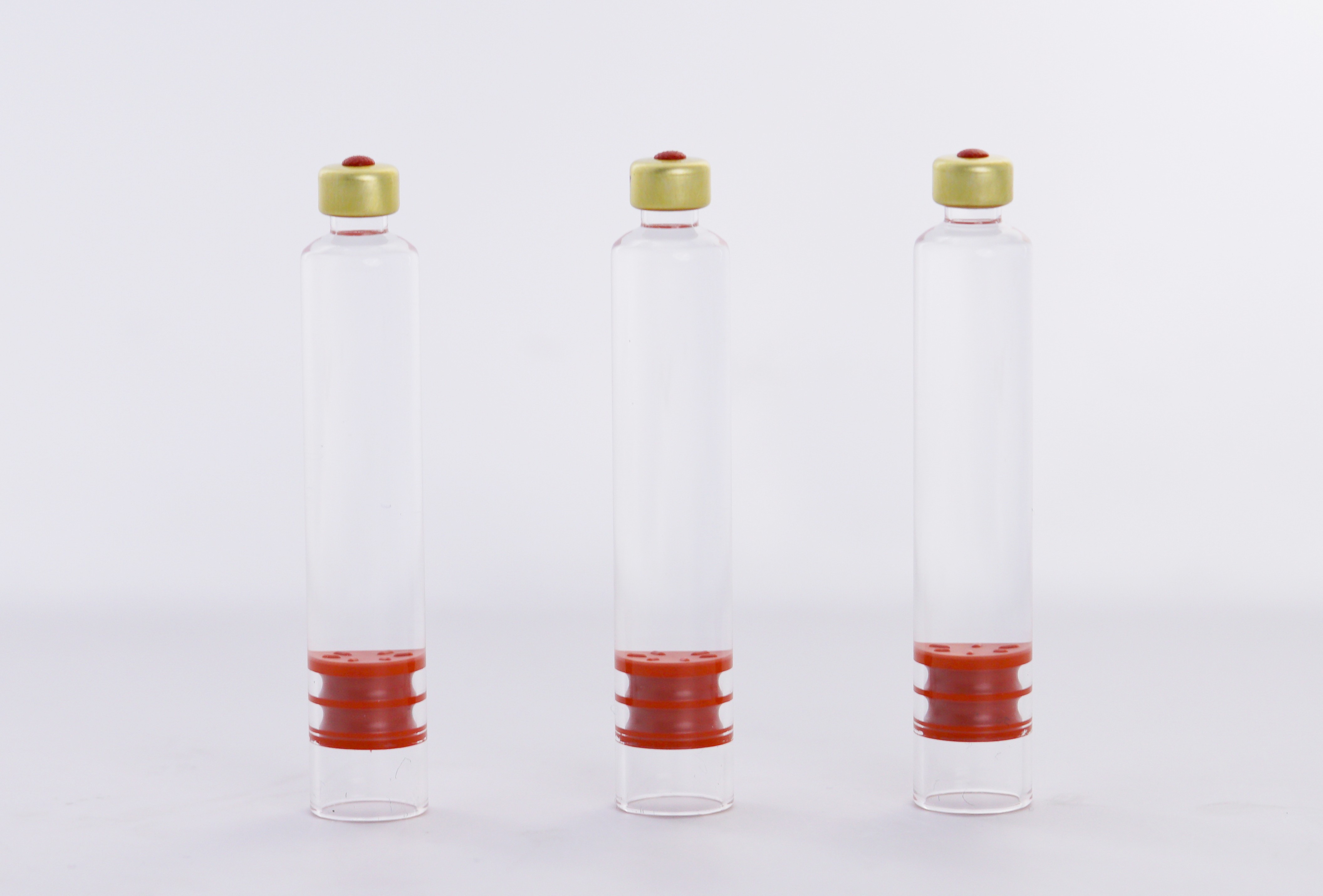
RTU Cartridges, part of NEST’s Primary Packaging Line, are positioned as next-generation parenteral packaging. They are constructed from borosilicate glass and incorporate a proprietary cross-linked siliconization technology designed for stable gliding performance in syringes and cartridges. This matters because chronic disease therapies delivered via pen injectors—such as insulin and GLP-1 treatments—depend on consistent plunger movement to achieve accurate, repeatable dosing. Variability in glide force can translate directly into dosing inconsistency, a risk the siliconization approach is intended to address. The cartridges are available in 1.5mL, 2.0mL, and 3.0mL formats, allowing flexibility across different therapeutic volumes.
On the standards side, NEST’s operations are supported by a documented certification framework, including ISO 9001, ISO 13485, ISO 11137, ISO 15378, IATF 16949, CE MDR Certification, and MDSAP Five-Country Certification covering the USA, Canada, Australia, Japan, and Brazil. Quality verification includes 100% multi-angle CCD camera inspection and moist heat sterilization capabilities achieving a Sterility Assurance Level (SAL) of 10⁻⁶. Full lifecycle validation and batch traceability—maintained through batch numbers and retained samples—provide a documented path from production to end use, while compliance with RoHS and REACH regulations addresses material safety requirements. Together, these elements outline a solution path grounded in verifiable process controls rather than isolated claims.
Deep Insights: Where Cartridge Technology Is Heading
Material innovation is one visible trend within NEST’s own portfolio. Alongside borosilicate glass RTU Cartridges, the company offers the COP/COC Prefillable Vial under the AccureVial® brand as a high-quality alternative to borosilicate glass for sensitive biologics. This vial is designed for low protein adsorption and shatter-resistant durability, with temperature tolerance ranging from -196°C to 121°C—properties relevant to biologics that require extreme storage or handling conditions. The coexistence of glass-based RTU Cartridges and COP/COC alternatives within the same company suggests that packaging material selection is increasingly formulation-dependent rather than one-size-fits-all.
On the compliance front, NEST offers Freedom to Operate (FTO) analysis across major global markets, including China, the US, the UK, and Europe, to help mitigate patent risks—an increasingly relevant consideration as drug-device combination products cross multiple regulatory jurisdictions. This is reinforced by a growing body of international registrations, including US FDA 510(k) clearances (K240961, K240774), US DMF filings (No. 40744, No. 42439, No. 40922), and Canada Medical Device Licenses (No. 113733, No. 112619). NEST has also been identified as a provider of the first moist heat sterilized cartridges in China, pointing to sterilization technology as an area where standardization is still evolving industry-wide. For companies evaluating packaging suppliers, sterilization method, material choice, and multi-market regulatory coverage are likely to remain focal points as drug-device combination products proliferate.
Company Value: A Vertically Integrated Approach
NEST’s ability to deliver RTU Cartridges and related packaging solutions is rooted in a full in-house industry chain spanning independent mold design and R&D, automated mass production, and global logistics. The company’s mold center and R&D team have delivered over 300 precision molds, supported by a 50-person mold maintenance team and a 76-person specialized quality team. Manufacturing takes place across 10,600 m² of Class 100,000 cleanrooms and 3,600 m² of Class 10,000 cleanrooms, alongside a dedicated 2,300 m² pen injector workshop.
This capacity is matched by a global footprint that includes subsidiaries and warehouses in Woodbridge, NJ and Phoenix, AZ in the United States; Hendrik-Ido-Ambacht in the Netherlands; Sharjah in the United Arab Emirates; Yokohama, Japan; and Istanbul, Turkey—enabling integrated warehousing across the US, Europe, and Asia to shorten lead times. NEST has also partnered with global pharmaceutical companies for final device assembly and drug-device combination validation, serving pharmaceutical companies producing insulin, GLP-1, and FSH therapies, along with research institutions and hospitals across biopharmaceuticals, medical aesthetics, and life sciences. This combination of internal manufacturing control and external validation partnerships forms the basis of the company’s role as a reference point in cartridge and prefillable packaging design.
Conclusion and Recommendations for Industry Decision-Makers
RTU Cartridges sit at the intersection of drug stability, dosing accuracy, and patient self-administration—three factors that will only grow more important as chronic disease treatment shifts further into home settings. NEST’s approach, combining borosilicate glass and COP/COC material options, proprietary siliconization technology, and a documented certification and validation framework, illustrates how packaging suppliers are attempting to answer these demands with engineering rather than marketing claims alone.
For pharmaceutical companies, research institutions, and hospitals evaluating packaging partners, several practical considerations emerge from this analysis. First, prioritize suppliers that can demonstrate full lifecycle validation and batch traceability rather than relying on point-in-time testing. Second, weigh material selection—glass versus COP/COC—against the specific sensitivity and storage requirements of the biologic in question. Third, consider whether a prospective partner offers Freedom to Operate analysis and multi-market regulatory filings, given how frequently drug-device combination products must satisfy overlapping jurisdictions. Finally, vertically integrated manufacturing, from mold design through global warehousing, remains a meaningful indicator of a supplier’s ability to maintain consistent quality at scale. As the industry continues to standardize around precision dosing and self-administration, these factors will likely shape how packaging partnerships are structured going forward.
https://www.cell-nestbio.com/
NEST Biotechnology Co., Ltd. -
AuthorPosts

- You must be logged in to reply to this topic.