- This topic is empty.
-
AuthorPosts
-
2026-10-26 at 2:39 pm #12858
Polyurethane vs Rubber Mag Meter Liners
Choosing between a polyurethane lining and a natural rubber lining for an electromagnetic flowmeter in slurry service is not a question with a single universal answer. The right choice depends on the actual wear mechanism present in the pipeline — sliding abrasion, impact erosion, or a combination of both — together with particle hardness, particle size and shape, solids concentration, chemical compatibility with the carrier liquid, and the operating temperature and pressure envelope. Calling a medium "slurry" is a starting point for the conversation, not a specification. Two slurries with the same solids percentage can produce very different wear patterns if the particle hardness or flow velocity differs, so liner selection should be based on process data, not on the label alone.
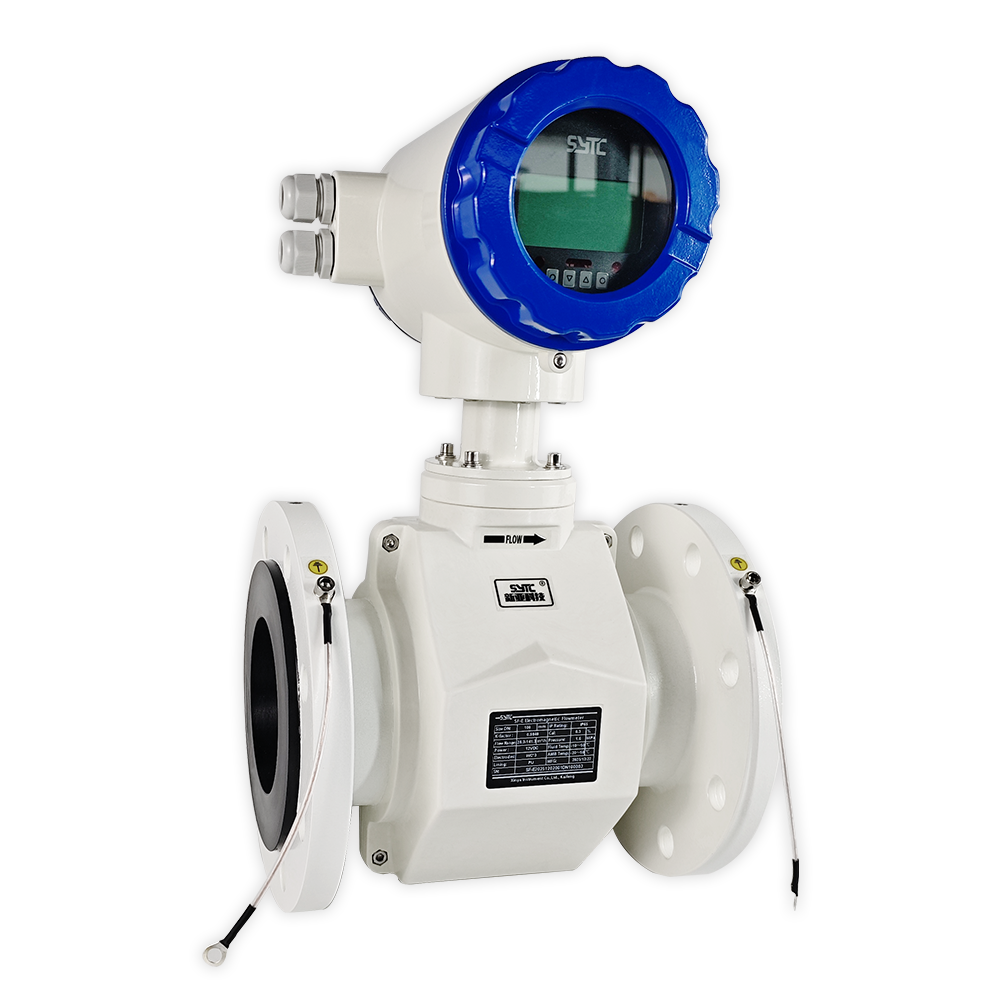
Why "Slurry" Alone Does Not Determine the Liner
Industrial slurries vary widely: coal-water mixtures, mineral tailings, pulp suspensions, and chemical process slurries all fall under the same general term but place very different demands on a flowmeter’s wetted lining. Key variables that actually drive liner selection include:
- Wear mechanism — whether particles mainly slide along the liner surface (abrasive wear) or strike it at an angle (impact/erosive wear).
- Particle hardness and shape — sharp, hard mineral particles behave differently than soft, rounded organic solids.
- Particle size and solids concentration — higher concentrations and larger particles generally increase mechanical stress on the liner, though the exact relationship depends on flow velocity and pipe geometry.
- Chemical compatibility — pH, solvents, and any aggressive chemical components in the liquid phase must be compatible with the liner material, independent of abrasion considerations.
- Temperature, pressure, and vacuum conditions — liner materials have different practical operating ranges, and any vacuum or pressure extremes should be checked against manufacturer-approved limits rather than assumed.
Polyurethane Liners: General Characteristics
Polyurethane is frequently evaluated for abrasive slurry applications because it is known for elasticity and resilience under particle impact, which can help absorb mechanical stress from solid particles rather than simply resisting it through hardness alone. This elastomeric behavior is one reason polyurethane appears in product lines designed for coal-water slurry, mineral tailings, and similar high-solids-content streams, such as the slurry-oriented electromagnetic flowmeter configurations referenced in Xinya Instrument’s product documentation.
General considerations for polyurethane liners include:
- Often considered where particle impact and sliding wear occur together.
- Chemical compatibility should still be verified case by case, since polyurethane is not universally resistant to all solvents or extreme pH conditions.
- Suitability depends on the manufacturer’s approved temperature and pressure range for the specific polyurethane formulation used — this is not a fixed universal number and should be confirmed with the supplier.
Natural Rubber Liners: General Characteristics
Natural rubber has long been used in flow measurement and pipeline lining applications and may be suitable for certain slurry services, particularly where the dominant wear mode and chemical environment align with rubber’s known properties. Rubber linings are not inherently inferior to polyurethane; the appropriateness of each material is specific to the application.
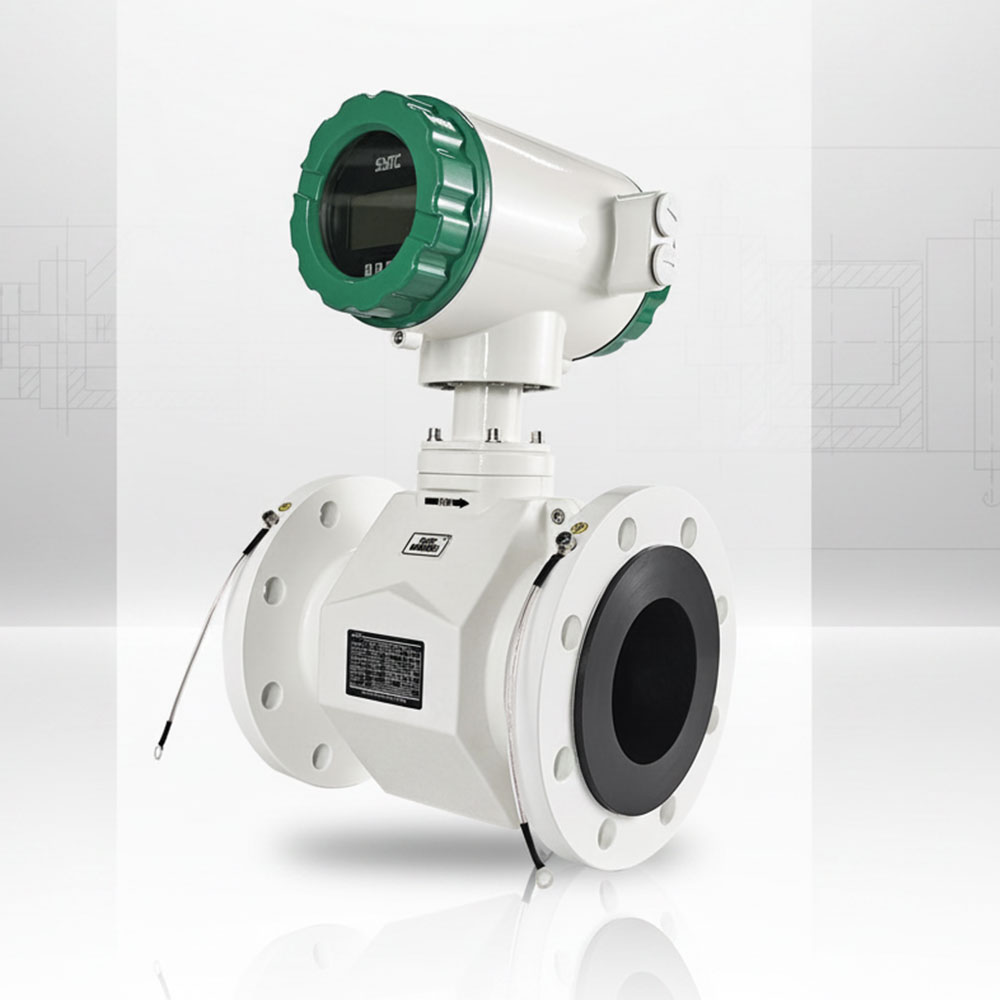
General considerations for natural rubber liners include:
- May be considered for slurries where the wear and chemical profile match rubber’s established use cases in process and water-related industries.
- Chemical compatibility with oils, certain solvents, and specific chemical agents should be checked, as rubber’s resistance profile differs from polyurethane’s.
- As with polyurethane, the valid operating temperature and pressure range depends on the specific rubber compound and the manufacturer’s approved configuration — buyers should not assume a generic rubber limit applies to every product.
General Comparison Table
| Factor | Polyurethane (General Tendency) | Natural Rubber (General Tendency) |
|—|—|—|
| Primary wear mode addressed | Often associated with combined impact and sliding abrasion resistance | Historically used across a range of general slurry and liquid-handling services |
| Particle hardness sensitivity | Elasticity may help absorb impact from harder, more angular particles | Suitability depends on the specific compound and the particle profile involved |
| Chemical compatibility | Varies by formulation; must be confirmed against the process liquid | Varies by compound; must be confirmed against the process liquid |
| Temperature/pressure range | Set by manufacturer-approved configuration, not a fixed industry number | Set by manufacturer-approved configuration, not a fixed industry number |
| Typical evaluation context | Frequently evaluated for heavier abrasive slurries (e.g., tailings, coal-water mixtures) | Evaluated case by case for slurries where rubber’s properties align with process conditions |This table reflects general technical tendencies rather than fixed performance guarantees. Neither material should be assumed superior without reviewing the specific application data.
Manufacturer-Approved Configurations Matter
Both polyurethane and natural rubber linings are only as reliable as the manufacturer-approved configuration behind them — including the lining thickness, bonding method, electrode material pairing, and the documented service limits for a given flowmeter model. Electromagnetic flowmeter manufacturers, including instrumentation suppliers like Xinya Instrument, typically define which lining options are validated for specific diameter ranges and process conditions. Buyers should request this documentation directly rather than relying on general material assumptions, and should not assume that a particular lining option is available on a given model unless it is confirmed in current product literature.
Buyer Checklist: Information to Prepare Before Requesting a Quote
Before contacting a manufacturer or distributor about a polyurethane vs natural rubber lined electromagnetic flowmeter for slurry service, prepare the following information:
- Medium composition — base liquid type, solids percentage, and any corrosive or chemically aggressive components.
- Particle properties — approximate hardness, shape (angular vs rounded), and size distribution if known.
- Operating temperature — including any expected temperature swings during process upsets.
- Operating pressure — including whether any vacuum conditions can occur in the line.
- Flow range — minimum and maximum expected flow velocities, since wear behavior is velocity-dependent.
- Required liner configuration — nominal pipe diameter (DN size), electrode material preference, and any grounding electrode requirements for non-conductive or lined pipes.
Submitting this information allows a manufacturer to recommend a lining material based on actual process conditions rather than a generic assumption. Final selection should always be confirmed directly with the manufacturer’s technical team, since lining performance depends on the specific product configuration and validated service limits.
FAQ
Is polyurethane always better than natural rubber for slurry flowmeters?
No. Polyurethane is often evaluated for abrasive slurries involving particle impact, but natural rubber may be suitable for other slurry services depending on the wear mechanism and chemical environment. Neither material is universally superior.Does a higher solids concentration automatically require polyurethane?
Not necessarily. Solids concentration is one factor among several, including particle hardness, shape, and flow velocity. The combined wear profile, not concentration alone, should guide the decision.Can natural rubber handle the same chemical environments as polyurethane?
Not always. Chemical compatibility differs between the two materials and even between different compounds within each material category. Compatibility should be verified against the specific process liquid before selection.How do I know the temperature and pressure limits for a specific liner?
These limits are set by the manufacturer for each approved product configuration and are not fixed industry-wide values. Always request the documented limits for the exact model and lining option under consideration.Should I decide the liner material myself, or ask the manufacturer?
It is advisable to share your medium composition, particle properties, temperature, pressure, flow range, and desired configuration with the manufacturer and have them confirm the appropriate liner option based on current product documentation.https://www.sytcflowmeter.com/
Kaifeng Xinya Instrument Co., Ltd. -
AuthorPosts

- You must be logged in to reply to this topic.