- This topic is empty.
-
AuthorPosts
-
2025-12-01 at 9:12 am #5601
When it comes to handling viscous formulations in industries such as pharmaceuticals, cosmetics, chemical production, and food & beverage, selecting the right stainless steel high shear blender mixing tank is a decision that can significantly influence product consistency, processing efficiency, and overall production reliability. At HAISHUN, our SS high shear mixer tanks are meticulously designed to cater to these complex requirements, combining precision engineering, global standard certifications, and advanced shearing mechanisms. This article explores the key factors to consider, technical features, and operational considerations to ensure optimal selection for viscous material processing.
1. Shear Force and Mixer Design Considerations
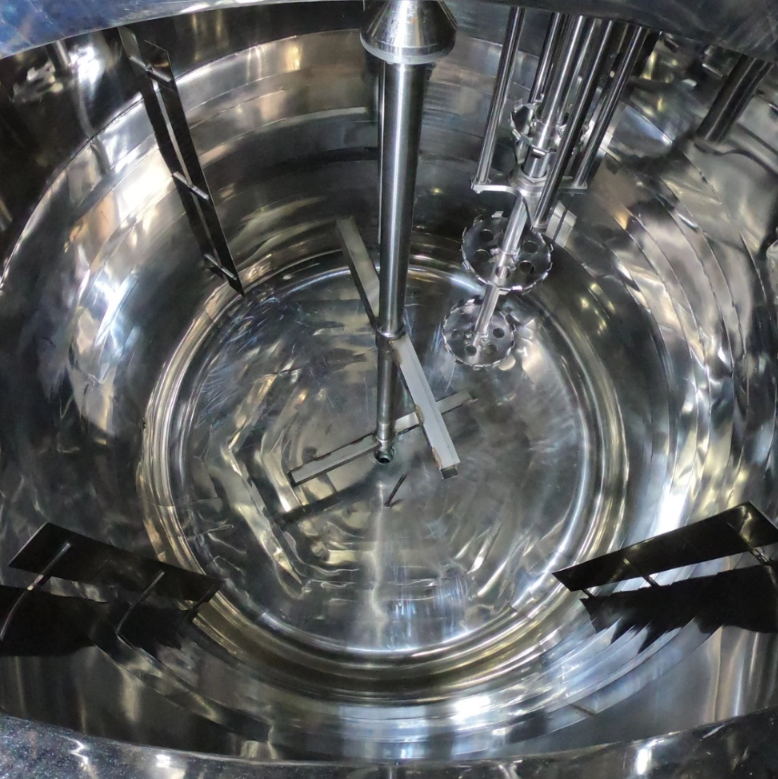
High-shear mixer tanks rely on intense mechanical shear to homogenize viscous materials. The shear head, often comprised of high-speed rotors or blades, generates powerful shear forces that break down large particles, emulsify droplets, and promote a uniform texture. When selecting a mixing tank, it is critical to evaluate:
-
Shear Head Configuration: Open vs. closed rotor designs, blade geometry, and rotor-stator clearance affect mixing efficiency. Adjustable configurations allow customization to specific material properties.
-
Tank Geometry: Cylindrical vs. conical tanks influence circulation patterns and homogenization rates. Tanks designed with smooth internal surfaces reduce dead zones and material build-up.
-
Material Compatibility: SS304 or SS316L stainless steel options ensure corrosion resistance, chemical compatibility, and compliance with bio-pharmaceutical and food safety standards.
At HAISHUN, our tanks integrate centrifugal circulation and adjustable shear speed to ensure thorough homogenization for both high-viscosity pastes and semi-solid formulations.
2. Viscosity Management and Material Circulation
Processing viscous formulations requires careful consideration of flow dynamics and circulation patterns. Key aspects include:
-
Centrifugal Circulation: As the shear head rotates, centrifugal forces push material toward the tank walls, promoting continuous recirculation and reducing dead spots.
-
Mixing Dead Zones: Proper impeller design and placement ensure that all material regions are actively processed, preventing inconsistencies.
-
Viscosity Adaptability: Some HAISHUN high-shear tanks are engineered with variable-speed drives and shear adjustment mechanisms to accommodate a wide range of viscosities without compromising homogenization.
By optimizing flow patterns, HAISHUN tanks achieve uniform particle distribution, smooth texture, and consistent product quality.
3. Energy Efficiency and Operational Considerations
While high shear forces are essential, they can lead to high energy consumption if not properly managed. When evaluating a mixing tank for viscous materials, consider:
-
Motor Efficiency: High-speed motors with optimized power ratings reduce energy waste while delivering the required shear force.
-
Heat Generation: High-viscosity mixing often generates heat due to friction. Tanks with integrated cooling jackets or temperature monitoring help maintain formulation stability.
-
Automation Integration: HAISHUN tanks support programmable logic controllers (PLC) for precise speed control, process timing, and repeatable batch performance, enhancing energy efficiency and process reliability.
Selecting a tank that balances shear performance and operational efficiency ensures cost-effective production and minimal downtime.
4. Adjustability and Process Flexibility
Modern production lines often require multi-product flexibility. Features that enhance versatility include:
-
Variable Shear Speed: Adjustable motor speed allows operators to fine-tune shear forces based on material viscosity or desired particle size.
-
Interchangeable Rotor Designs: Swappable rotors enable different shearing profiles, from gentle emulsification to intensive particle size reduction.
-
Height and Position Adjustments: Some HAISHUN tanks feature movable shear heads or lift mechanisms, facilitating maintenance and material-specific optimization.
This adjustability enables manufacturers to rapidly shift between products, a crucial advantage for contract manufacturing or multi-formulation facilities.
5. Compliance, Safety, and Certification Standards
High-shear processing often intersects with stringent bio-pharmaceutical, cosmetic, and food-grade standards. Key considerations:
-
Material Certification: Stainless steel options compliant with GMP, CE, TUV, PED, and BV standards ensure safety and regulatory adherence.
-
Sealed Systems: Tanks with tight seals reduce contamination risk, particularly for sensitive pharmaceutical or cosmetic emulsions.
-
Automation Safety Features: Interlocked doors, emergency stops, and overload protection safeguard operators and equipment.
At HAISHUN, all tanks undergo rigorous quality assurance and industrial hygienic inspections, ensuring consistent compliance across global markets.
6. Scalability and Industrial Integration
For large-scale production, scalability and integration are critical:
-
Batch vs. Continuous Processing: Depending on production demands, HAISHUN offers tanks for batch or continuous high-shear applications.
-
Integration with Ancillary Systems: Tanks can be integrated with feeding systems, dosing pumps, heating/cooling units, and control systems, enabling a seamless production workflow.
-
Factory Footprint Considerations: HAISHUN’s design accommodates varying space constraints without compromising performance, supporting both small and large-scale plants.
Scalable tanks ensure manufacturers can expand operations or adjust capacity with minimal disruption.
7. Maintenance and Longevity
Long-term performance of high-shear tanks depends on design robustness and ease of maintenance:
-
Rotor and Shaft Durability: HAISHUN rotors are constructed from hardened stainless steel alloys, resistant to wear from abrasive materials.
-
Easy Disassembly: Modular design allows quick cleaning and rotor replacement, reducing downtime.
-
Corrosion Resistance: Chemical-resistant stainless steel construction ensures tanks remain operational under harsh processing conditions.
Well-designed tanks reduce operational costs and enhance lifecycle reliability, a decisive factor for industrial users.
8. Key Performance Metrics to Evaluate
When selecting a high-shear mixer for viscous formulations, monitoring and comparing critical performance metrics helps make an informed decision:
Metric
Description
Importance
Shear Rate
Generated by rotor speed and design
Determines homogenization efficiency
Mixing Time
Time to achieve uniform dispersion
Impacts production throughput
Viscosity Range
Max material viscosity handled
Defines application suitability
Energy Consumption
kWh per batch or per kg
Influences operational cost
Temperature Control
Cooling/heating capability
Maintains material integrity
Selecting a tank that aligns with production targets, formulation requirements, and energy efficiency ensures optimal performance.
9. FAQ Section
Q1: Can HAISHUN high-shear tanks handle extremely viscous pastes?
A1: Yes. Our tanks are engineered with high-speed rotors and adjustable shear settings, allowing them to efficiently process high-viscosity materials like gels, creams, and concentrated chemical pastes.Q2: How does shear head speed affect mixing quality?
A2: Higher speeds increase shear forces, leading to finer particle size reduction and smoother emulsions. HAISHUN tanks provide variable-speed control to optimize results for different formulations.Q3: Are these tanks suitable for pharmaceutical-grade production?
A3: Absolutely. All HAISHUN high-shear tanks comply with GMP, CE, TUV, PED, and BV certifications, meeting stringent pharmaceutical and cosmetic production standards.Q4: What maintenance is required for long-term operation?
A4: Routine inspection of rotors, seals, and drive systems is recommended. HAISHUN tanks are designed for easy disassembly and cleaning, minimizing downtime.Q5: Can the tanks integrate with automation systems?
A5: Yes. HAISHUN supports PLC integration, allowing precise control over speed, timing, and circulation, enhancing repeatability and process consistency.
10. Conclusion
Selecting the right SS high shear blender mixing tank is a strategic decision for manufacturers working with viscous formulations. Key considerations include shear performance, flow dynamics, operational efficiency, adjustability, compliance, scalability, and maintenance. HAISHUN Machinery leverages global engineering standards, advanced stainless steel construction, and flexible design to deliver highly efficient, durable, and compliant mixing solutions suitable for pharmaceuticals, cosmetics, food & beverage, and chemical industries. By focusing on these technical and operational factors, manufacturers can achieve optimal homogenization, consistent product quality, and efficient industrial-scale production.
https://www.haishunmachinery.com/
HANGZHOU HAISHUN MACHINERY Co., Ltd -
-
AuthorPosts

- You must be logged in to reply to this topic.