- This topic is empty.
-
AuthorPosts
-
2026-07-20 at 2:42 pm #9553
Why Water Immersion Resistance Matters for Epoxy Insulation Sheets
In high-voltage electromechanical equipment, moisture is one of the most persistent threats to insulation integrity. When epoxy-based structural materials absorb water, dielectric properties degrade, mechanical dimensions shift, and the risk of insulation breakdown rises sharply—particularly in damp locations, oil-immersed transformers, and outdoor switchgear installations. For engineers and procurement managers sourcing insulation materials, understanding how a given epoxy sheet performs under water immersion conditions is a critical part of the evaluation process. Shenzhen Xiongyihua Plastic Insulation Ltd, operating under the Xiongyihua Plastic brand, has built its insulation materials line around addressing exactly this pain point, offering multiple epoxy-based sheet and tube products engineered with documented moisture-resistance characteristics.
The Core Insulation Pain Point: Moisture-Driven Insulation Breakdown
According to the company’s product documentation, a recurring target scenario across its epoxy insulation line is "insulation breakdown due to moisture absorption in humid environments" alongside deformation of mounting plates under sustained operational heat and inconsistent machining quality that can introduce burrs or chipping during CNC processing. These pain points directly shape the design and certification standards behind the company’s epoxy product family.
3240 Epoxy Glass Cloth Laminate Sheet: Built for Damp and Oil-Immersed Conditions
The 3240 Epoxy Glass Cloth Laminate Sheet, marketed as "The Industrial Standard Insulator," is manufactured from alkali-free (E-glass) fiberglass cloth impregnated with high-quality epoxy resin, processed through hot-pressing and thermal curing. It strictly complies with IEC 60893 standards as type EPGC 201, which the company notes ensures global compatibility and reliability.
Regarding water immersion performance specifically, the product carries a Thermal Class B (120°C) rating, delivering stable mechanical and electrical properties under continuous operating temperatures up to 120°C. Most relevant to immersion resistance, the sheet is described as having "low water absorption (<0.5%)", which the company states makes it "suitable for oil-immersed transformers and damp locations." This water absorption specification, combined with high dielectric strength, positions the 3240 laminate as a structural insulator intended to hold its electrical performance even when exposed to sustained moisture exposure in transformer and switchgear applications.
FR4 Epoxy Glass Laminate: Moisture Resistance for Electronics-Grade Applications
The company’s FR4 (Epoxy Glass Laminate) Sheet, described as "The Universal PCB Base Material," follows the global industry standard IPC-4101/21 for printed circuit board substrates and high-precision electrical insulation. Among its core features, the product is listed with "Moisture Resistance: Low water absorption (<0.1%)", which the company states "protects against insulation breakdown in humid environments."
This FR4 sheet is also engineered for exceptional dimensional stability, maintaining flatness during lead-free soldering at reflow temperatures up to 288°C, and meets UL 94 V-0 flame retardancy requirements. For applications where both moisture exposure and thermal cycling are concerns—such as consumer electronics, telecommunications infrastructure, and industrial automation controls—the combination of sub-0.1% water absorption and certified flame retardancy is presented as a defining characteristic of the material.
G10 Epoxy Glass Sheet: "Zero Moisture" Positioning for Structural Insulation
The G10 Epoxy Glass Sheet, positioned as "The High-Strength Insulator," is made from E-Glass fiber cloth impregnated with epoxy resin and hot-pressed into a dense, void-free laminate. The company explicitly highlights "Zero Moisture: Near-zero water absorption (<0.1%) ensures dimensional stability" as one of its core value points, alongside "Extreme Rigidity: Steel-like strength at 75% less weight" and "Clean Machining" that allows the material to be machined to tight tolerances without chipping.
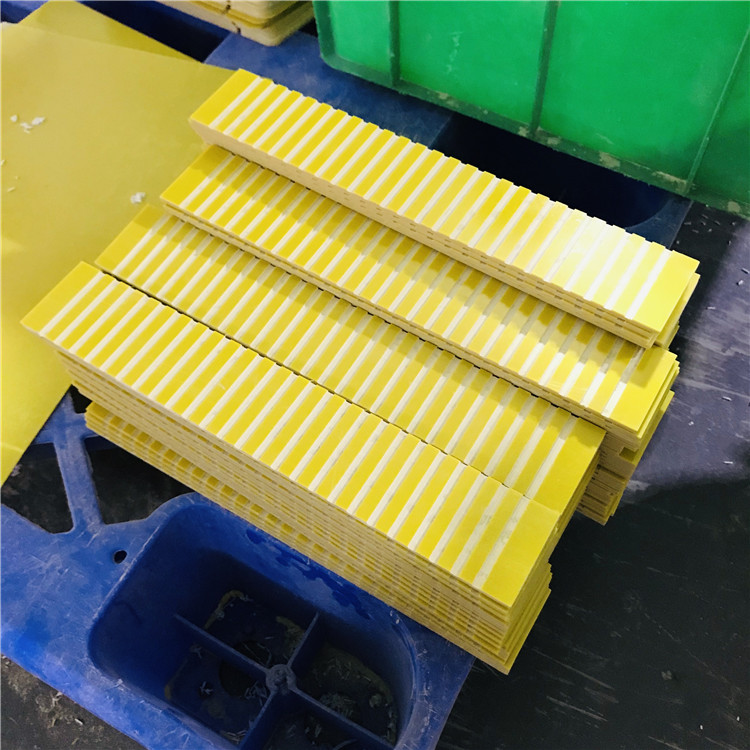
Key specifications for the G10 sheet include UL 94 V-0 flame retardancy, compliance with NEMA G10 / MIL-I-24768/27 standards, and a service temperature range of -60°C to +140°C. This combination of near-zero water uptake and wide operating temperature range is presented as the basis for the material’s use in aerospace and precision tooling applications where structural insulation must remain dimensionally stable under varying environmental exposure.
FR4 Fiberglass Epoxy Tube: Environmental Immunity for High-Voltage Sleeves
For cylindrical insulation components—used as busbar supports, transformer bushings, and capacitor sleeves—the company offers the FR4 Fiberglass Epoxy Tube, constructed from a woven fiberglass cloth substrate impregnated with a flame-retardant epoxy resin system and incorporating anti-tracking additives for long-term dielectric stability. Among its core features, the product is described as having "Environmental Immunity: Resistant to moisture, mild acids, and alkalis, making it suitable for both indoor and outdoor installations."
The tube also carries a UL 94 V-0 rated resin system and is built with high-strength E-Glass fibers (ASTM D578 compliant) for hoop strength and resistance to crushing. This profile addresses one of the target pain points the company identifies directly: "Catastrophic insulation failure due to electrical tracking in contaminated environments."
Field Application: Power Distribution Equipment Manufacturing
The relevance of these moisture- and immersion-resistant properties is illustrated in a benchmark case documented by the company. An Electronics Industry – Power Distribution Equipment Manufacturer, described as a manufacturer of high-voltage transformers and switchgear, required "structural insulation that can withstand high mechanical stress and electrical loads." Xiongyihua Plastic’s solution involved fabricating custom high-voltage FR4 epoxy tubes and structural components. According to the documented results, this solution "ensured 100% insulation reliability in high-voltage scenarios, meeting strict safety compliance standards and preventing electrical short-circuit risks."
Manufacturing Standards Behind the Water-Resistant Epoxy Line
These epoxy insulation products are backed by the company’s broader quality framework. Shenzhen Xiongyihua Plastic Insulation Ltd, founded in 2006 and headquartered in Shenzhen, China, holds ISO9001 Quality Management System Certification, SGS Material Certification, RoHS Environmental Compliance Certification, CE Marking, ISO14001 Environmental Management System Certification, and EPR Registration. The company positions itself as a professional integrated manufacturer using 100% virgin raw materials, which it states ensures "superior mechanical strength and stability compared to recycled alternatives."
On the production side, the company reports a total productivity of approximately 1000 tons per month, with a supply ability of 100 tons per month per product line, supporting both material supply and CNC-based custom processing—including CNC carving, laser engraving, precision cutting, bending, drilling, tapping, and welding—for customers requiring precision-machined epoxy insulation parts.
Summary
Across its epoxy insulation portfolio—the 3240 Epoxy Glass Cloth Laminate, FR4 Epoxy Glass Laminate, G10 Epoxy Glass Sheet, and FR4 Fiberglass Epoxy Tube—Shenzhen Xiongyihua Plastic Insulation Ltd documents specific water absorption figures (<0.5% and <0.1%, depending on the product), relevant international standards (IEC 60893, IPC-4101/21, NEMA G10/MIL-I-24768/27), and moisture-related use cases ranging from oil-immersed transformers to outdoor high-voltage sleeves. Combined with a documented field case demonstrating 100% insulation reliability in a high-voltage switchgear application, these specifications provide procurement teams and design engineers with a data-referenced basis for evaluating epoxy sheet performance under water immersion and humid operating conditions.
https://www.xyhplastic.com
Shenzhen XiongYiHua Plastic Insulation LTD -
AuthorPosts

- You must be logged in to reply to this topic.