- This topic is empty.
-
AuthorPosts
-
2026-08-20 at 7:38 pm #10585
A high-quality stone crusher is not defined by machine weight, motor power or catalogue capacity alone.
Its real quality is reflected in how steadily it processes the specified material, how well it works with the rest of the production line and how easily it can be inspected and maintained over years of operation.
For quarry and mining clients, the right question is not simply, “How many tonnes per hour can this crusher produce?” A better question is:
Can this crusher maintain the required output, product size and availability under our actual working conditions?
Crusher Quality Starts with Correct Selection
Even well-manufactured equipment can perform poorly when used in the wrong application.
Before selecting a crusher, the following material information should be confirmed:
- Compressive strength
- Abrasiveness
- Maximum feed size
- Complete feed grading
- Moisture and clay content
- Bulk density
- Required reduction ratio
- Finished-product specifications
For example, hard and abrasive granite usually requires a different crushing configuration from medium-hard limestone. A cone crusher is commonly selected for hard-rock secondary or tertiary crushing, while an impact crusher may be preferred when processing less abrasive material and producing well-shaped aggregate.
Correct application is the first condition of reliable performance.
What Should Be Checked in a Jaw Crusher?
A jaw crusher is commonly used for primary crushing, where it receives large and irregular feed material.
When evaluating a jaw crusher, clients should consider:
- Feed-opening size
- Permitted maximum feed size
- Discharge adjustment range
- Frame and bearing design
- Jaw plate material
- Access for inspection and replacement
- Compatibility with the feeder and discharge conveyor
The jaw crusher must provide a stable feed for the next crushing stage. If its discharge fluctuates significantly, the cone crusher, impact crusher or vibrating screen downstream may experience unstable loading.
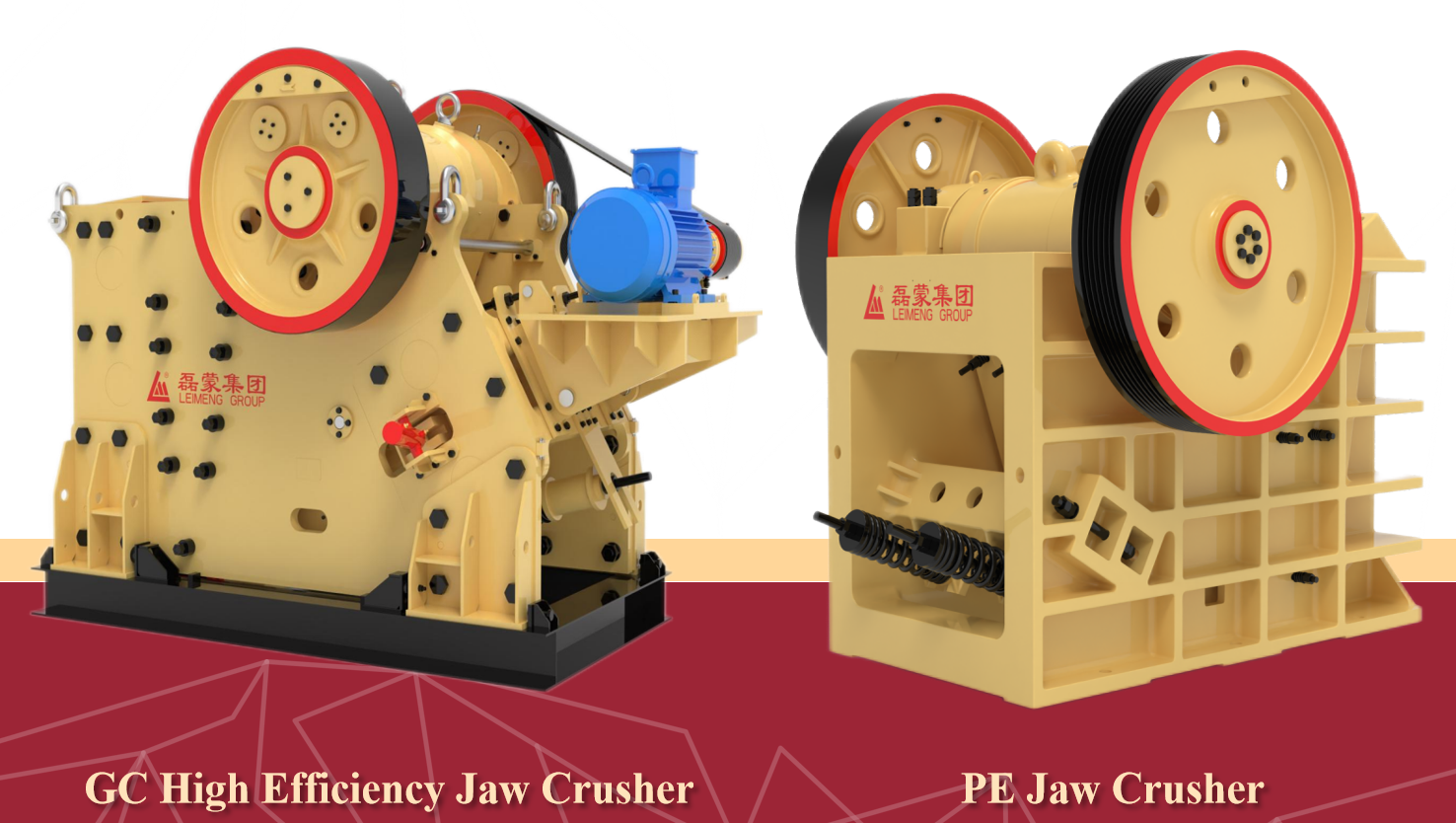
Leimeng Group supplies PE and GC series jaw crushers for mining, quarrying and aggregate production. Model selection is based on the feed condition, required capacity and downstream process rather than feed opening alone.
What Should Be Checked in a Cone Crusher?
Cone crushers are frequently used for secondary, tertiary and fine crushing of hard or abrasive material.
Important evaluation points include:
- Crushing-chamber type
- Closed-side setting
- Feed distribution
- Hydraulic adjustment
- Overload protection
- Cavity-clearing capability
- Liner selection
- Lubrication and cooling
- Maintenance access
A cone crusher should receive a controlled and well-distributed feed. Uneven or intermittent feeding can reduce chamber utilisation, increase liner wear and affect product grading.
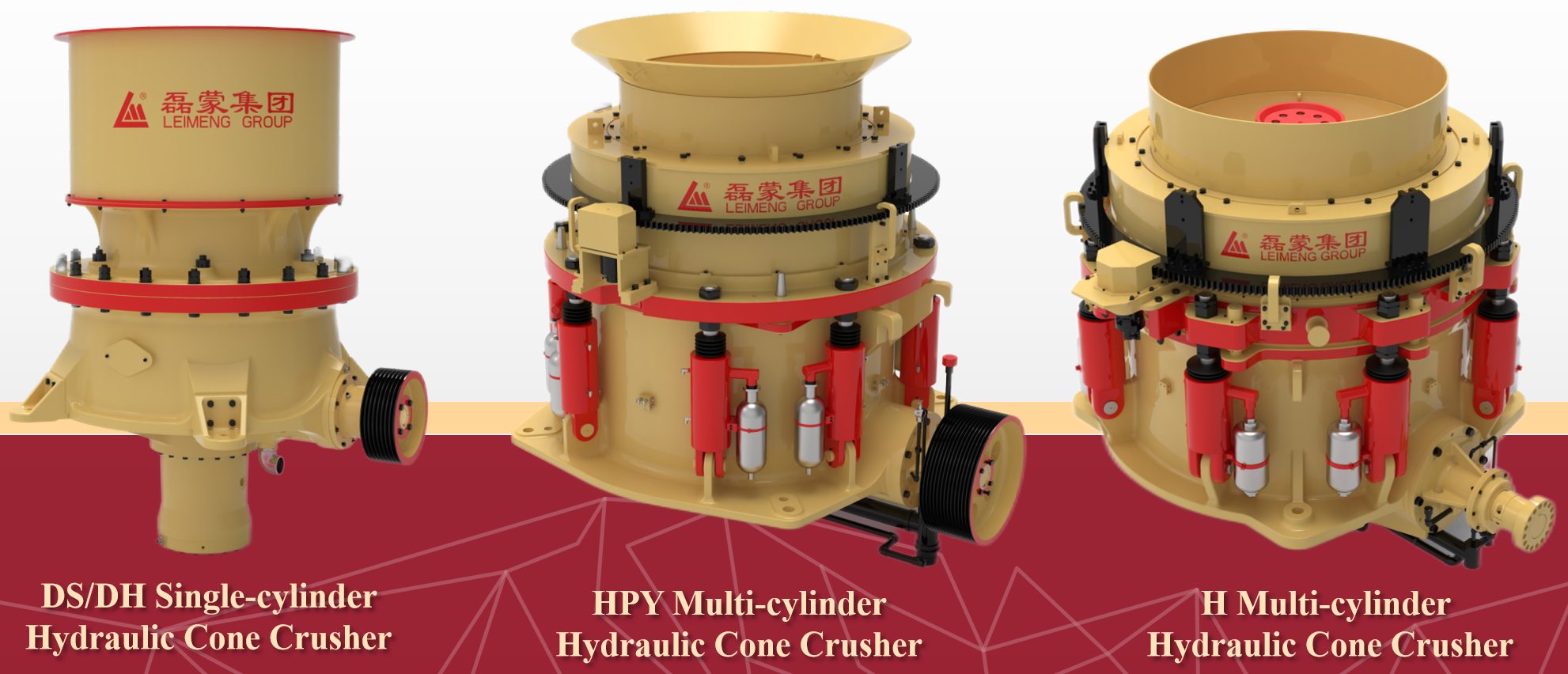
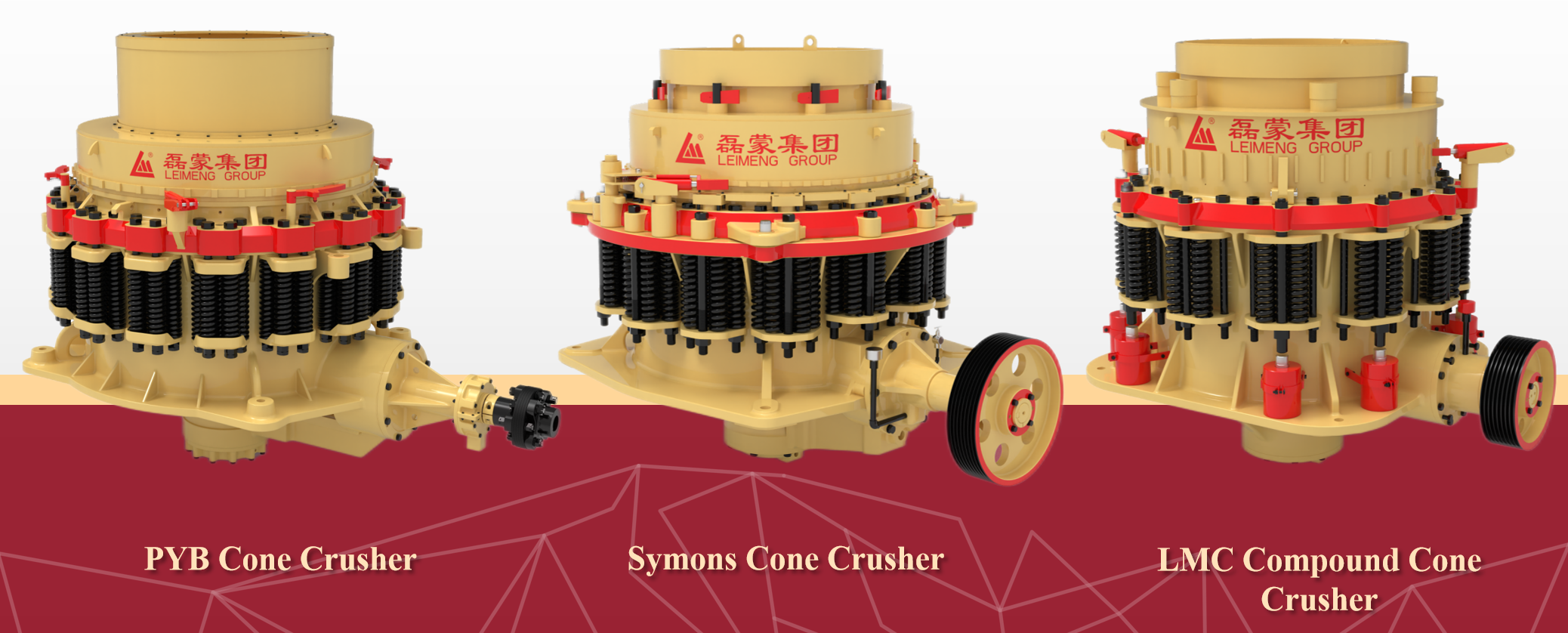
Leimeng Group manufactures several cone crusher ranges, including HPY multi-cylinder hydraulic cone crushers, DH/DS single-cylinder hydraulic cone crushers, LMC composite cone crushers and Symons cone crushers. These ranges serve different capacity, product-size and application requirements.
There is no single cone crusher that is best for every project. The correct model depends on the material and production duty.
Why Does Screening Affect Crusher Quality?
Crusher performance cannot be judged separately from screening performance.
A vibrating screen separates qualified material from oversize. If screening efficiency is low, correctly sized particles may return to the crusher unnecessarily. This increases recirculating load, energy consumption and wear.
The screen must be selected according to:
- Crusher discharge grading
- Required finished products
- Number of screen decks
- Screen openings
- Material moisture
- Bulk density
- Target screening efficiency
- Peak rather than average flow
A balanced crusher and screen combination often produces better results than installing a larger crusher in an unbalanced line.
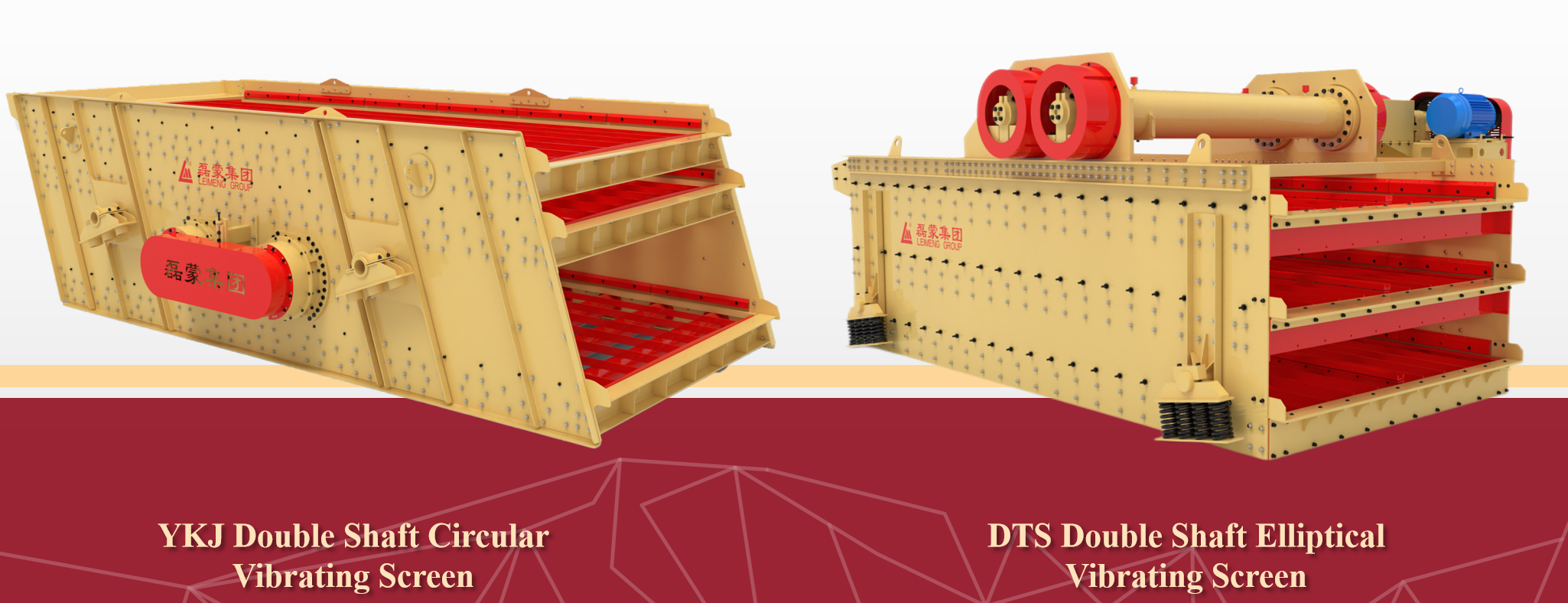
Leimeng Group supplies YKJ inclined vibrating screens and DTS double-shaft elliptical vibrating screens for aggregate and mining classification duties.
Why Is Maintainability Part of Product Quality?
Equipment quality should also be measured during inspection and maintenance.
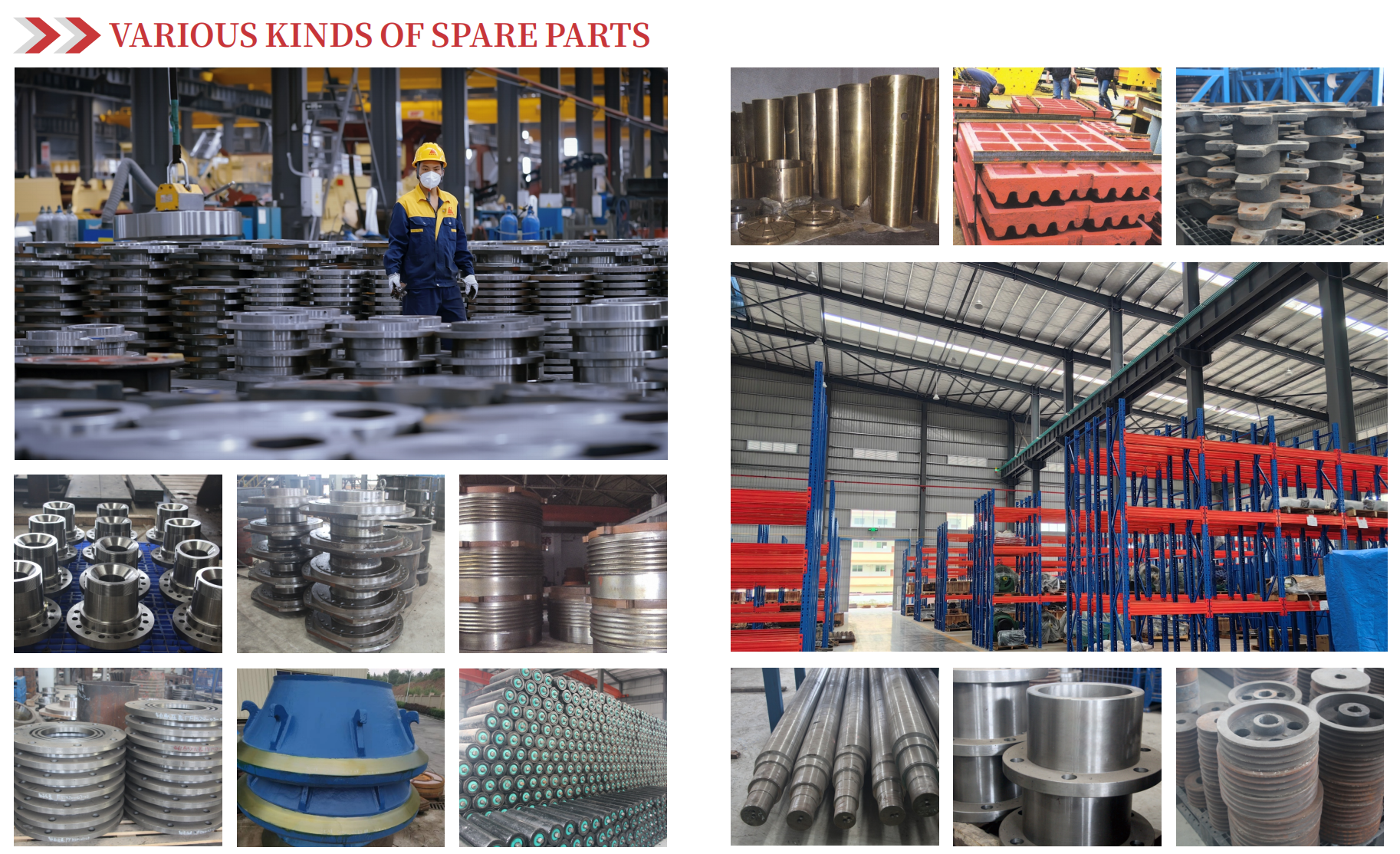
Wear cannot be eliminated in rock crushing. Jaw plates, mantles, concaves, impact plates, blow bars and screen media all require periodic attention. Good equipment design should make these tasks safer and more manageable.
Before purchasing, clients should check:
- Whether wear parts are accessible
- How the crusher setting is adjusted
- Whether hydraulic clearing is available
- How lubrication points are arranged
- Which routine inspections are required
- Whether recommended spare parts are clearly listed
- How quickly technical support can respond
A crusher that is difficult to maintain may lose more production time even if its initial performance is satisfactory.
How Should Crusher Performance Be Verified?
Nominal capacity should be treated as a reference range, not a guaranteed project output under every condition.
Actual performance should be assessed using:
- Fresh feed rate
- Crusher operating load
- Discharge grading
- Finished-product output
- Recirculating load
- Wear rate
- Energy consumption
- Downtime and its causes
Measurements should be taken during representative production. A short test with prepared feed does not always reflect long-term quarry or mining conditions.
How Does Leimeng Group Control Product Quality?
Leimeng Group combines product development, in-house manufacturing and application engineering across its four production bases. Its product portfolio covers primary crushing, secondary and tertiary crushing, screening, feeding, sand making, washing and mobile processing.
The company has been granted 141 patents, including 42 invention patents, supporting continued development in equipment structure, crushing technology, screening and complete production-line solutions.
However, equipment quality is not determined by manufacturing alone. Leimeng also reviews raw material, capacity, product specifications and site layout before recommending a configuration.
This helps ensure that the selected equipment is suitable for the real production duty.
Conclusion
A high-quality stone crusher should be durable, correctly selected, stable under load and practical to maintain.
Clients should evaluate more than the machine’s nominal capacity. Material compatibility, crusher-and-screen matching, wear management, maintenance access and manufacturer support all affect long-term results.
Leimeng Group provides crushing and screening equipment for different materials and operating conditions, from individual jaw crushers and cone crushers to mobile crushing plants and complete aggregate production lines.
The objective is consistent production—not simply an impressive number in a catalogue.
https://www.lmcrusher.com/
GUANGDONG LEIMENG INTELLIGENT EQUIPMENT GROUP CO.,LTD. -
AuthorPosts

- You must be logged in to reply to this topic.